Henan Retop Industrial Co., Ltd

Position: Home > News

The Key Role of Aluminum Extrusions in Health Care

Date:2026-06-23
View: 0 Point

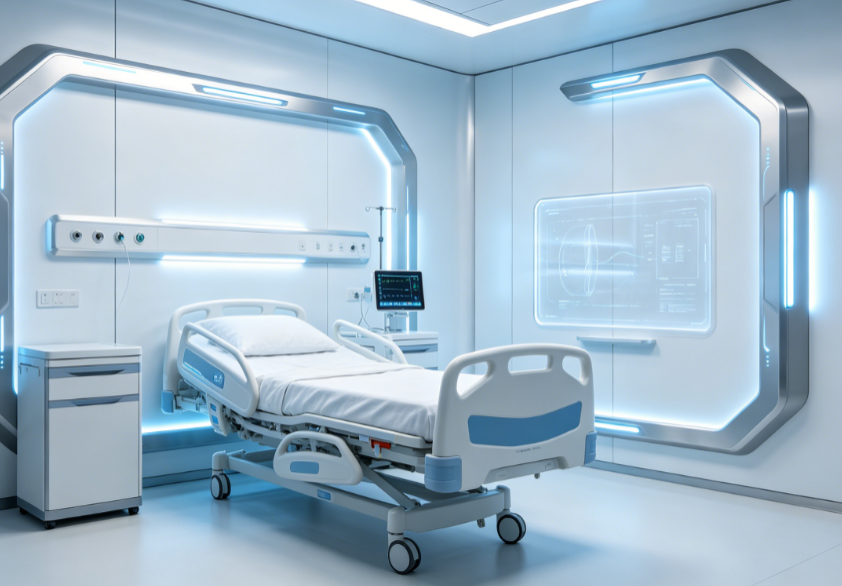
The global medical system continues to iterate and upgrade, in-hospital aseptic control, lightweight equipment, modular infrastructure has become the industry's immediate needs, medical aluminum profiles gradually replace steel and plastic as the mainstream material.

Why Aluminum Extrusions Matter in Modern Health Care
Definition

Aluminum profiles, also known as aluminum alloy extrusion profiles, rely on the hot extrusion process, high-temperature molten aluminum alloy billets extruded into customized molds, which can be processed complex shaped cross-section structural parts. The whole set of processing process can be controlled with precision, and according to the needs of medical equipments and hospitals infrastructure, we can customize exclusive cross-section, groove and size profiles.
The molded profiles can be cut, punched, finished and anodized for medical use, which is suitable for severe medical working conditions. Compared with carbon steel, stainless steel and engineering plastics, aluminum takes into account the three core qualities of structural strength, light weight and suitability for elimination, and is suitable for long-term use in all types of medical scenarios.

Application Development History

Aluminum industrialized application has a hundred years of development history, the 19th century electrolysis aluminum process landing, the 20th century extrusion process mature, to achieve low-cost mass production of aluminum. Aluminum density is only one-third of steel, the native surface layer with its own inert oxidation rust film, early used in aviation, infrastructure, and then gradually cut into the medical field.
WHO, national drug regulatory authorities have introduced new rules for the prevention and control of hospital-acquired infections, the traditional steel components are easy to rust, easy to hide dirt, the drawbacks of excessive self-weight highlighted. Global medical equipment manufacturers, hospital infrastructure began to batch switch to modified medical aluminum profiles, suitable for high-frequency sterilization, human-machine contact, special diagnosis and treatment of the whole scene.

Scope of Application

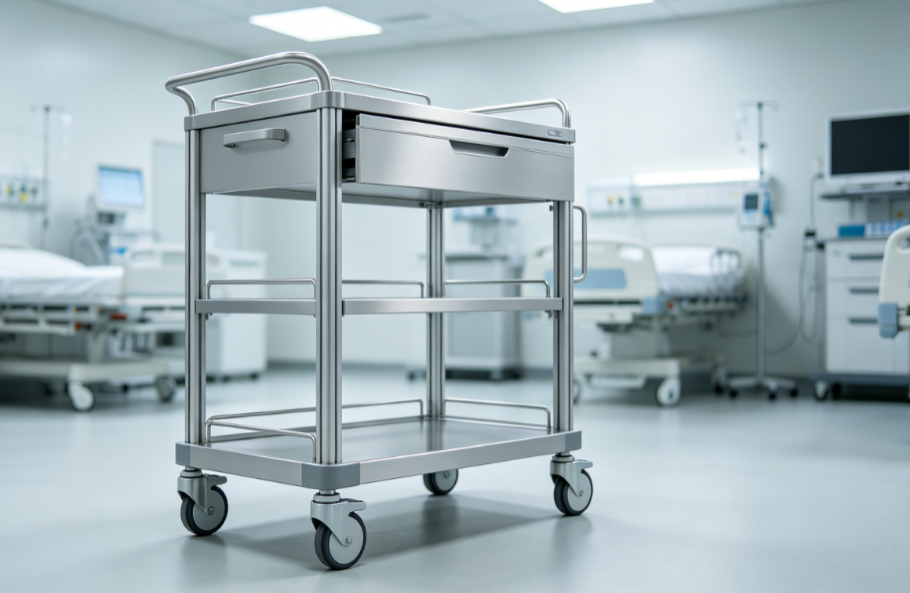
Conventional standard aluminum profiles cover the whole range of components for basic care and diagnosis and treatment in hospitals, including adjustable hospital beds, mobile infusion racks, medical transfer trolleys, imaging equipment housings, corridor protection structures and other commonly used facilities in hospitals. It meets the needs of basic materials for regular diagnosis and treatment, nursing care, and logistics operation and maintenance in tertiary hospitals, community outpatient clinics, and specialized clinics.
Subdivision of precision profiles and heavy-duty profiles are suitable for special medical scenarios. Micro profiles are used for minimally invasive surgical instruments and diagnostic and therapeutic positioning equipment, while heavy-duty profiles can be quickly assembled into integrated frames for square-cabin hospitals, nucleic acid testing kiosks, and isolation wards. It can quickly respond to public health emergencies and complete the construction and production of standardized medical sites in a short time.

Advantage of Bottom Layer

Aluminum profiles have ultra-high specific strength, and their self-weight is much lower than that of the same load-bearing steel, which significantly reduces the physical wear and tear of medical staff in carrying and moving medical equipment. Aluminum profiles are suitable for high-frequency mobile facilities such as hospital beds, transfer stretchers, and mobile instrument trolleys, and are not easy to deform, crack, or loosen when used repeatedly over a long period of time.
Medical exclusive surface treatment aluminum corrosion resistant medical reagents, dense surface layer without microporous, alcohol, chlorine disinfectant sterilization will not corrode the substrate. The substrate is not easy to adsorb body fluids, pharmaceuticals, dust, from the physical level to block the germs attached to reproduction, suitable for operating rooms, ICU, sterile laboratory high-grade sterile environment.

Key Properties of Aluminum Extrusions for Medical Applications

Necessity

Medical contact materials require double compliance, and must pass ISO 10993 biocompatibility certification and FDA medical non-metallic material access certification before they can be put into use in doctor-patient contact scenarios. The materials used need to withstand multiple daily chemical disinfection, mechanical bumping, disassembly and moving, high and low temperature alternating multiple working conditions.
There are obvious shortcomings in ordinary metal and plastic materials on the market, carbon steel rusts quickly when encountering disinfectant solution, and plastic is prone to aging and precipitation of hazardous substances in long-term disinfection. Modified medical aluminum profiles have balanced comprehensive performance, no harmful substances precipitated in compliance, and are suitable for indoor and outdoor long-term use in all levels of medical institutions.

Aluminum Alloy Grade Suitable for Different Working Conditions

6061 medical grade aluminum alloy has excellent mechanical load bearing capacity, strong adaptability for cutting, opening and bending secondary processing, and high processing tolerance. It is exclusively used for the processing of CT, nuclear magnetic, radiotherapy equipment heavy-duty base, large equipment support frame, and lifting and loading medical structure.
6063 medical polished aluminum alloy has high surface flatness, clean and delicate appearance after anodic oxidation, and excellent resistance to repeated friction and killing performance. It is mostly used for the partition of hospital area, anti-collision handrail, the appearance of the frame of hospital beds, the appearance of the diagnosis and treatment operating table structure, and the workload of cleaning and maintenance in the later stage is extremely low.

Applicable to Medical Core Performance

Aluminum low-temperature structural stability is extremely strong, light weight and anti-deformation ability to meet the standard, suitable for cold storage of drugs, cryogenic samples laboratory exclusive low-temperature working conditions. Lightweight attributes to reduce the load of medical and nursing operations, suitable for the hospital's mobile medical equipment, to enhance the efficiency of departmental circulation operations.
Native oxide layer with medical thickening anode process, can resist hydrogen peroxide, medical disinfectant, human body fluids long-term erosion, no corrosion points, no dirt hiding crevices. Effectively reduce the incidence of hospital-acquired infections, in line with the CDC's normalized hospital epidemic prevention and control requirements.

Common Applications of Aluminum Extrusions in Health Care Facilities

Medical Furniture Structure for Ward Recreation

Medical anticorrosive aluminum profiles can be customized with electric lifting beds, vertical reinforced IV poles, bedside tiered shelves, and a full set of companion simple chairs for recreation furniture. The splicing gap of the profile is extremely small, and the corners are rounded and passivated to avoid bumping and scratches of doctors and patients, which is suitable for all-weather high-frequency use in wards.
Relying on modular aluminum profiles can be integrated to assemble the ward privacy curtain track, corridor guardrail, corner protection edging, barrier-free access handrails. It can unify the appearance and style of the whole hospital infrastructure, divide the line of action in the ward, and take into account the dual functions of barrier-free access for patients and safety protection in the hospital area.

Imaging, Laboratory and Diagnostic Equipment Frame Structure

Customized anti-magnetic aluminum profiles are used to build the entire base and peripheral protection frame of MRI, CT and X-ray radiology equipment, which is made of non-magnetic materials and does not interfere with ray imaging. Protect the accuracy of medical imaging, avoid the material electromagnetic interference caused by diagnostic screen distortion, to protect the accuracy of diagnosis and treatment results.
High-precision micro-extruded profile processing surgical shadowless lamp cantilever, laboratory instrument fixed bracket, nucleic acid testing equipment rack, the structure of anti-vibration and anti-shaking. It is suitable for continuous uninterrupted operation in operating room and sterile laboratory, resisting the resonance of equipment operation and guaranteeing the stability of precision instrument operation.

Rehabilitation Mobility Transfer Medical Equipment Structure

High-strength and lightweight medical aluminum profiles are the core materials for wheelchairs, four-legged walkers and medical crutches, which are load-bearing and easy to hold and move. It is suitable for orthopedic post-surgery and geriatric patients' independent rehabilitation trips, reduces the weight-bearing pressure on the limbs, and improves the adaptability of in-hospital rehabilitation training.
Modular aluminum profile can be used to make transfer stretcher, rehabilitation parallel training bar, and lifting support, which is flexible and convenient to disassemble and reassemble. The equipment is resistant to rinsing and disinfection, and does not require regular painting to prevent rust, so the comprehensive operation and maintenance costs are much lower than traditional steel rehabilitation transfer equipment.

Aluminum Extrusions in Medical Equipment Manufacturing

Material Selection Pain Points for Device Manufacturers

Medical device OEMs face three major industry challenges: short R&D cycle, high compliance threshold, and controllable production costs, and material selection constrains the speed of product iteration. Stainless steel processing costs are high, plastic strength is insufficient, and traditional steel processing time is long, making it difficult to adapt to the rapid mass production of new products.
Medical aluminum profile adapted to the whole process of R & D and production equipment, short cycle of molding, secondary processing is simple, can quickly complete the prototype sampling, batch production. At the same time, the material comes with medical compliance attributes, and can be directly submitted to the material testing report, simplifying the process of equipment and drug regulatory reporting and auditing.

Advantages of Medical Device Production

Extrusion process can be integrated molding slot, alignment slot, splicing bayonet structure, reducing the use of external hardware accessories, simplify the equipment assembly process. The tolerance accuracy of the profile can reach micron level, which is suitable for precision diagnosis and treatment, minimally invasive surgical equipment parts assembly, and meets the assembly standard of high-precision medical equipment.
Aluminum can be adapted to CNC finishing, welding, sealing and oxidation of a full set of processes, 100% recycling of scrapped edges and corners, and very little production waste. Compared with solid steel machining, the cost of processing consumables can be reduced by up to 90%, effectively reducing the cost of medical equipment.

Equipment Profile Landing Category

Medium and large cross-section profiles are mainly used for large fixed medical equipment, including radiotherapy equipment shells, physical examination machine racks and negative pressure isolation equipment support frames. The structure is load-bearing and balanced, and can be retrofitted with shock-absorbing accessories, which is suitable for long-term floor installation in fixed departments of medical institutions.
Miniature thin-walled profiles focus on portable home medical equipment, including portable oximeter bracket, home rehabilitation equipment, small nebulizer equipment shell components. Small size and strong plasticity, suitable for home medical care, outpatient portable medical equipment lightweight R & D and production.

Supporting Hygiene and Infection Control

Nosocomial Cross Infection Material Control Standards

Nosocomial infections (HAIs) are a key control issue in global healthcare, and WHO and CDC explicitly require that medical materials should be resistant to extermination, easy to clean, and free of germs hiding places. In the old hospital area, there are a lot of joints and gaps in steel and wooden facilities, which become moldy and rusty after long-term disinfection, and become dead ends for germs to breed.
The medical area is divided into elimination level differentiated material, ICU, operating room, sterile laboratory material standards are much higher than ordinary outpatient wards. High-grade sterile area, must choose no gap, corrosion-resistant, high-frequency elimination of modified anodized medical aluminum profiles to build supporting facilities.

Aluminum Profile Bacteriostatic Material

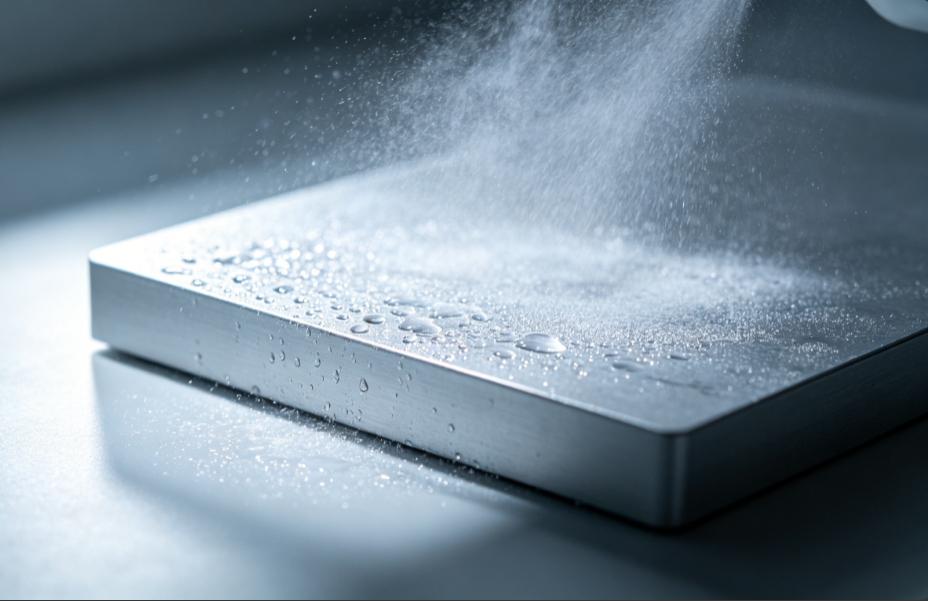
Thickened anodic oxidation molding aluminum profile surface seamless closed, no capillary adsorption pores, body fluids, pharmaceuticals, sewage can not penetrate into the substrate to retain residues. The daily use of only a rag with a medical disinfectant can be wiped and cleaned, significantly reducing the workload of the hospital district cleaning and elimination of man-hours.
Customizable antibacterial sealing coating aluminum profile, coating adhesion is strong, repeated elimination will not peel off, long-term inhibition of bacterial colonies attached to the reproduction. Suitable for infectious disease clinics, fever clinics and other high-risk areas, from the level of hardware materials to build the first line of defense against hospital infection prevention and control.

Medical Sterilization Profile Landing Scene

Closed aluminum profile frame is suitable for sterile operation table, medicine storage shelf, medical instrument storage cabinet frame, with no splicing dead angle. It is convenient for medical staff to close the loop of sterilization every day, avoiding the bacterial flora exceeding the standard in the instrument storage area and guaranteeing the cleanliness of medical consumables storage.
Integrated aluminum partition walls and equipment protection frames replace spliced steel partitions, reducing the problem of sealing adhesive strips and splicing gaps that hide dirt. It is suitable for renovating old wards and isolation wards, quickly improving the overall sterility control level of the hospital area, and the renovation period is short and pollution-free.

Advantages of Modular Aluminum Framing Systems in Hospitals
Inherent Shortcomings of Traditional Materials

In the past, hospital expansion, ward remodeling mostly used welded steel frame, solid wood panel construction, construction requires fire welding, on-site paint spraying operations. The amount of construction dust and odor is large, and the corresponding ward must be shut down, which greatly affects the hospital's normal diagnosis and treatment work, and the loss of downtime is extremely high.
Steel frame, wooden structure can not be changed after molding, department expansion, ward functional modification can only be dismantled and rebuilt, a serious waste of consumables. And wood is easy to mold, steel frame is easy to rust, late maintenance and renovation of high frequency, long-term high hospital infrastructure operation and maintenance capital investment.

Modular Aluminum Frame System Core Advantages

Modular aluminum profiles rely on special corner pieces, connectors assembled to build, the whole process free of welding, free of paint, only by hand tools can be assembled on-site construction. The construction is dust-free and odorless, and the construction can be semi-closed, minimizing the interference of the renovation construction on the hospital's reception work.
The frame can be freely added or subtracted profiles, disassembled and reorganized, and the functional layout of isolation wards, temporary treatment areas and nurses' stations can be modified at any time. It can be adapted to the expansion of epidemic emergency, departmental business revision, and iterative layout adjustment of diagnosis and treatment equipment, realizing flexible iterative upgrading of hospital infrastructure.

Modularized Frame Special Adaptation Value

Aluminum frames are lightweight and will not increase the load on the hospital floor, so they are suitable for retrofitting partitions and equipment platforms in old hospitals. The rounded corners and matte surface layer are suitable for the medical environment, which reduces the probability of doctor and patient bumping and injuring, and improves the safety of the hospital area.
The whole set of frame accessories are universal and interoperable, and can be disassembled and reused across departments, and the profiles can be stored in the warehouse for secondary use after the dismantling of the temporary square cabin. It is suitable for normalized emergency renovation and fine-tuning of functional zones in hospitals, and saves the infrastructure procurement budget and construction costs of hospitals in the whole cycle.

Sustainability and Cost Efficiency in Health Care Projects

Material Industry Requirements

Nowadays, new hospitals at home and abroad are required to meet LEED and BREEAM green building certification, which strictly control the carbon emissions of building materials, the content of hazardous substances, and the amount of solid waste output. Traditional steel smelting has high carbon emissions, and anticorrosive coatings contain volatile substances, which are not suitable for green hospital star rating standards.
The gradual popularization of recycled aluminum modified medical profiles, the use of recycled aluminum billet production, production energy consumption is only five percent of virgin aluminum, carbon emissions have been significantly reduced. The material is free of harmful volatile substances, which is suitable for green hospitals and low-carbon hospitals, and is a mandatory requirement for the selection of materials for new construction and expansion.

Cost Advantage

The cost of medical aluminum profiles is the same as that of high-quality stainless steel in the early stage of procurement, but there is zero anti-rust painting and zero renovation and maintenance in the later stage, so the annual operation and maintenance cost is extremely low. Steel needs to be descaled every year to paint anticorrosion, artificial consumables costs superimposed on the use of three years of comprehensive costs far more than aluminum profiles materials.
Aluminum profiles have a service life of 15-20 years, and after scrapping, they can be returned to the furnace for refining without loss, with a high residual value rate, which can offset the cost of material loss in the project. Modular profiles can be disassembled and reused, reducing construction waste and compressing capital investment in the whole cycle of hospital projects.

Low-carbon and Long-term Development Value

Unlimited recycling of aluminum will not deplete material performance, which is suitable for hospitals' long-term expansion, temporary construction, and functional renovation of recycling mode. It is suitable for the carbon neutral and low carbon operation and maintenance development planning of medical institutions, and helps hospitals to complete the annual environmental protection assessment index.
Lightweight aluminum reduces the energy consumption of medical equipment transportation and lifting in the hospital area, and at the same time reduces the weight of equipment operation and saves the energy consumption of electromechanical power in the hospital. The project takes into account the triple development value of economic benefits, hospital operation and maintenance benefits, and ecological and environmental protection benefits.

Factors to Consider When Selecting Aluminum Extrusions for Health Care
Material Compliance Selection Points

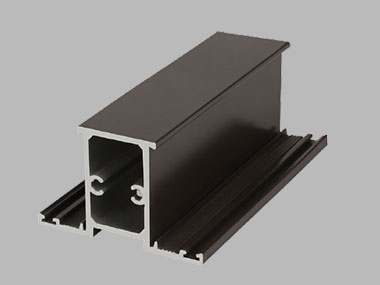
Purchasing priority verification of aluminum alloy grade compliance, 6061, 6063, 3003 for the record of medical three major compliant alloys, strictly prohibit the mixing of industrial miscellaneous aluminum. At the same time, ask for material testing reports, biocompatibility reports, RoHS environmental compliance certificates to avoid the risk of non-compliance with materials.
The surface process level is selected according to the need, standard anodizing is selected for general wards, and thickened hard anodizing is selected for aseptic departments and fever clinics. It is prohibited to use spraying profiles in high sterilization areas to avoid the coating falling off in long-term sterilization and causing secondary environmental pollution in the hospital.

Selection of Structure for Working Conditions

According to the use of load division profile specifications, equipment base, transfer stretcher selection of heavy-duty thickened profile, partition handrails, simple furniture selection of standard lightweight profile. According to the need to screen the magnetic absorption performance, nuclear magnetic machine room must choose the exclusive non-magnetic modified aluminum profile, to avoid equipment imaging interference.
Combined with the frequency of elimination of selected surface corrosion grade, high-frequency elimination area preferred chemical corrosion modified aluminum, ordinary areas can choose conventional medical aluminum. According to the need to reserve the alignment slots, installation slots, suitable for the later addition of sensing, electronic control of medical accessories.

Supply Chain and Project Budget

Priority cooperation with profile manufacturers with medical supply qualification, manufacturers can provide incoming material finishing, customized openings, pre-installed accessories integration services. Reduce the third-party secondary processing errors, ensure the adaptability of profile splicing, and shorten the overall project construction and delivery time.
Taking into account the budget and long-term value, small volume of temporary medical facilities can choose economical medical aluminum, long-term fixed hospital facilities use highly durable profiles. We do not blindly reduce the unit price of selected materials, but take the whole life cycle operation and maintenance cost as the core judgment basis for the final selection.

Future Trends of Aluminum Extrusions in the Health Care Industry

Iterative Trends in Material Technology

The industry will continue to research and develop high-strength lightweight composite aluminum alloys, with improved alloy compositions to further enhance the integrated performance of aluminum load-bearing, anti-magnetic and anti-bacterial materials. Simultaneous popularization of self-cleaning antibacterial anode coating, to achieve the elimination of stains automatically fall off, suitable for use in higher-level sterile medical space.
Low-carbon recycled medical aluminum production capacity continues to expand, and major manufacturers have comprehensively reduced smelting and extrusion energy consumption and launched low-carbon traceable medical profiles. Each batch of aluminum can be traced back to the carbon emission data, specifically adapted to the star green hospital special collection and use of materials project.

Intelligent Development Trend

Medical aluminum profiles are gradually integrated with IoT sensing pre-buried slots, integrated alignment cavities, and can directly carry temperature and humidity, bacterial flora, and pressure intelligent monitoring modules. Create intelligent hospital beds, intelligent partitions, intelligent equipment racks, adapted to the entire digital intelligent hospital construction and transformation needs.
Multi-material composite molding of profiles has become the mainstream, aluminum with medical polymer, 3D printing accessories composite processing, optimizing the self-weight of components and the use of functionality. Taking into account the production cost, medical safety and structural versatility, it is suitable for minimally invasive and home medical research and development of new products.

Sinking of Application Scenes to Expand the Trend

Medical aluminum profiles from large tertiary hospitals, sinking community outpatient clinics, home health care, mobile outpatient car medical support areas. Folding lightweight aluminum recreational equipment, vehicle medical frame, home health care, primary care just need to use the material category.
Emergency medical modular aluminum standardized stereotypes, square cabin, testing kiosks, isolation ward profiles unified specifications accessories interchangeable. It can be quickly deployed and assembled in case of public health emergencies, which comprehensively improves the rapid response capability of domestic emergency medical infrastructure.

Conclusion

Medical aluminum profiles by virtue of compliance and anti-bacteria, lightweight and high strength, modular reusable, low carbon and money multiple advantages, full coverage of hospital infrastructure, equipment manufacturing, recreation and rehabilitation, emergency medical scene. It is suitable for the three development directions of hospital epidemic prevention, intelligent medical treatment and green hospital area, and will continue to replace traditional materials and become the just-demanded structural material in the medical industry in the future.


Henan Retop Industrial Co., Ltd. Will Be There Whenever Wherever Whatever You Need
You Are Welcome to : phone call, Message, Wechat, Email& Seaching us, etc.
Email: sales@retop-industry.com
Whatsapp/Phone: 0086-15537183797
Share us:
Related products

Clip44 Shopfront Series

Clip44 For Door Aluminium Profile

Material: 6063/6082/6061 Aluminium
Temper:T5/T6
Thickness:0.4mm-1.5mm/Customized

Building Exterior Wall Decoration

Material:Aluminum alloy
Price:USD 2.9-3.4/kg
Packing:PE bag and carton
Series 35 Casement Window Aluminium Profile

Series 35 Casement Window Aluminium Profile

Material:6063/6082/6061 Aluminium
Temper:T5/T6
Thickness:0.4mm-1.5mm/Customized