How To Choose the Right Size T-Slot Profile for Your Project
Date:2026-06-24
View: 2399 Point
T-slot aluminum profile is the automation industry mainstream modular building materials, specifications selection directly determines the frame load-bearing, adaptability and cost of use. This article relies on industry standard parameters, disassembles a full set of selection process, combing the size standard, load calculation, with accessories, to help engineers efficiently avoid selection errors, suitable for all kinds of industrial construction projects.
What Is a T-Slot Aluminum Profile
Profile Bse Material and Structural Characteristics
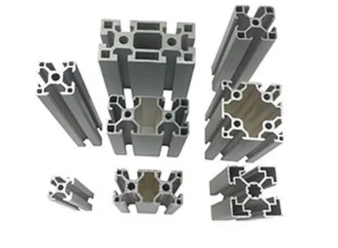
T-slot aluminum profiles, also known as T-shaped extruded aluminum profiles and modular aluminum frames, are mainly made of extruded 6061 and 6063 series aluminum alloys. The side of the profile has a through T-slot, which can be used with hardware fittings to form all kinds of industrial frame structures without welding. Compared with the traditional steel welded frame, the profile has modular and reorganizable characteristics, which is suitable for iterative transformation scenarios. Relying on the slot structure, the hardware accessories can be freely slid and positioned, which is suitable for automation racks and protective fences in multiple scenarios.
Unique Advantages of the Profile for Industrial Use
T-slot aluminum profiles are benchmarked against industrial building blocks, which can be assembled and constructed without the need for fire welding and on-site drilling. With the help of simple tools, ordinary technicians can quickly disassemble and reorganize the whole set of aluminum profile frame structure. Aluminum has its own antioxidant surface layer, corrosion-resistant and not easy to rust, suitable for wet and dry, greasy workshop conditions. The overall weight is lightweight, low handling and construction difficulties, and the long-term operation and maintenance costs are far lower than carbon steel welded frames.
Application Scenarios of Profiles
Profiles are mainly used for automated robot racks, assembly line bodies and factory safety fences. At the same time, it can be used to build workstation operating platforms, clean room equipment, and equipment soundproof and dustproof closed frame structures. Niche scenarios are suitable for 3D printer racks, laboratory equipment base, exhibition booths, solar energy rack construction. Taking into account the civil workwear and industrial load-bearing, suitable for the whole industry lightweight structure construction needs.
Understanding Standard T-Slot Profile Sizes
Application Characteristics of the Metric Profile System
Metric millimeter size is the mainstream standard in the global manufacturing industry, and the profile series are divided into models by section length. Commonly used in the market 20, 30, 40, 45, 60, 80 full series, suitable for light and heavy different load conditions. Strong interoperability of metric profile parts, sufficient stock from global suppliers, convenient and efficient replenishment for projects and retrofitting procurement. Suitable for cross-border automation projects and multinational production lines.
Application Characteristics of Inch Profile System
British inch profile mainly circulates in North America, the mainstream is divided into 1 inch 10 series, 1.5 inch 15 series. The overall specification is on the large side, suitable for large-scale heavy industrial machinery and equipment base construction in North America. British system profile hardware fittings poor versatility, can not be mixed with metric profiles splicing, adapt to the geographical limitations are very strong. Foreign trade projects in North America need to lock the size system in advance to avoid the problem of mismatch of fittings.
Define Your Project Requirements Before Selecting a Size
Research and Judgment of Working Condition Load
Distinguish between static constant load and dynamic impact load of equipment movement, and reserve 3-5 times safety coefficient for dynamic working conditions. The operation desk and material shelf are static loads, and the manipulator and conveyor line are dynamic loads. Light peripheral shells use 20 series, conventional workstation use 30 series, heavy equipment base use 40 and above series. Graded matching load, to eliminate long-term stress frame tilt, cracking joints.
Frame Span Size Judgment
The larger the span of the overhanging unsupported beam, the larger the cross-section specification and wall thickness of the required profiles. 500mm or less short span is suitable for small and medium-sized profiles, and two-meter-long span must be used for thickened and heavy-duty profiles. The overall frame length, width and height layout, directly determines the column, beam differentiated profile selection with. Long and short rod partition selection, taking into account the stability of the overall framework and the economy of the project materials.
Workshop Environment Research and Judgment
Indoor normal temperature ordinary workshop can meet the demand of long-lasting use by choosing regular anodized profiles. Outdoor, chemical wet workshop, need to customize thickening oxidation, anticorrosion coating special aluminum profiles. High and low temperature alternating conditions, clean and dust-free workshop, to verify the profile surface dust fall off, temperature resistance. Food and pharmaceutical workshops prefer dense matte oxidation profiles to avoid debris contamination of production materials.
Frame Use Function Judgment
Fixed closed protective frame can choose conventional profiles, with casters mobile frame preferred lightweight thickened profile. Frequent dismantling and remodeling of the frame, give priority to the standard series of profiles with smooth card slots and convenient dismantling and installation of accessories. If the frame needs to be connected with electric control and sensing equipment, reserve the slot position in advance and match the multi-slot profile style. Visualization framework for external exhibition hall, taking into account the appearance of profile flatness and structural load-bearing performance.
Project Procurement Budget Judgment
The larger the cross-section, the thicker the wall thickness of industrial aluminum profiles, the unit price per meter procurement, hardware supporting costs rise simultaneously. Increasing the specification will significantly increase the project budget, resulting in unnecessary waste of materials and funds. Relying on the force accounting to select the minimum compliant profile specifications, strict control of the overall procurement expenditure of the main materials and auxiliary materials. Combined with the stock specification selection, customized processing fees are eliminated, further compressing the project cost.
Compliance and Safety Study of the Plant Area
The protective frame for human and machine operations in the factory must meet the safety standards of the workshop, and the load-bearing profiles must be qualified for compliance testing. For automation projects involving foreign countries, the mechanical parameters of the profiles should match the local industrial construction acceptance standards. For high-risk operations and platform frames, the pressure-bearing report of profiles must be verified, and the construction must be in compliance with the model selection. Avoid acceptance of unqualified rework, to protect the workshop man-machine operations throughout the use of safety.
Pre-landing Research and Practical Methods
Hand-drawn frame structure diagram, relying on SolidWorks, Fusion360 modeling combing rod force points. Statistical peripheral accessories, load bearing material weight, accurate accounting of the whole set of frame comprehensive load value. Check the original load and deflection data sheet of the manufacturer, and screen the suitable profile series against the working conditions. Advance small sample splicing test fitness, batch material processing, reduce the risk of overall selection errors.
Calculate Load Capacity and Structural Strength
Core Value of Load and Force Accounting
Calculation to Avoid Practical Risks
Judging the strength of profiles subjectively only by their appearance, it is very easy for the frame deflection to exceed the standard and the structure to topple over. Specialized mechanical calculation can determine the specification by data to ensure the stable operation of automated equipment around the clock. Precise calculation can eliminate excessive material selection and use, reduce redundant procurement of profiles, and optimize project material costs. Taking into account the three core indicators of structural safety, durability and cost control.
Aluminum Frames are Subject to Four Major Stress Hazards
Excessive deformation and deflection of the frame will lead to sensor misalignment and loss of equipment processing accuracy. Long-term accumulation of small deformation will cause the machine to run in a stagnant manner, and the batch of processed products will be defective. Bending stress, shear torsion, column compression buckling, is the three major forms of aluminum frame damage failure. Vibration conditions will be superimposed on the loss of force, accelerate the profile seams, rod aging breakage speed.
Basic Mechanical Concepts Necessary for Selection
Explanation of the Core Mechanical Parameters of the Profile
Moment of inertia measures the bending resistance of the profile, the larger the value, the smaller the amount of bending and sinking under the same load. Distinguish between strong and weak stress axes, the beam must be installed along the strong axis of stress to enhance the overall bending performance. Cross-sectional modulus to determine the limit of the profile bearing pressure value, control the profile will not appear permanent bending deformation. 6061-T6, 6063-T5 for the commonly used materials, yield strength fixed can be directly substituted into the accounting formula.
Industry Common Force Accounting Formula
Simply support the center of the load deflection formula, suitable for operating tables, shelf beams conventional stress scenarios. Substituting load weight, rod length, aluminum modulus, moment of inertia, you can calculate the value of subsidence deformation. Bending stress formula to verify the ultimate load carrying capacity of the bar, cantilever, fixed at both ends of the bar to adapt to the exclusive formula. Manufacturer's online force calculation tool, can be free of manual calculation, quickly come up with a compliant profile type.
Field Operation Load Selection Standard
Industry Common Safety Value Specification
Ordinary static tooling frame, load safety coefficient can be taken 2 times to meet the daily use standard. For man-machine cooperation and dynamic equipment frames, the safety coefficient is uniformly taken as 2 to 5 times to enhance safety. The industry's common deformation control standard is L/200 to L/360, and the value of precision equipment is strictly controlled for smaller deflection. High-precision inspection rack, the smaller the value of sinking deformation, the higher the processing accuracy of equipment operation.
Recommended Auxiliary Tools for Force Selection
Choose the brand official deflection calculator program, a key to match the span, load to the appropriate profile type. Simple modeling conditions, relying on three-dimensional design software comes with simulation function to self-check the force performance. For large-scale heavy-duty non-standard frames, commission professionals to do finite element stress analysis and optimize the rod layout. The key nodes are reinforced with corner braces to save material costs without blindly upgrading large-size profiles.
Match Profile Size to Common Applications
20 Series Lightweight Profiles are Suitable for the Scene
Suitable for lightweight construction of 3D printer stands, small electronic control housings, and desktop sensor mounting brackets. Low load, no vibration, short span, low cost and neat appearance. Suitable for small laboratory instrument bracket, store simple display booth, light equipment isolation frame. Convenient disassembly and installation, light weight, non-industrial high-frequency load-bearing scenarios, the most optimal cost-effective model.
30 series of Medium-sized Profiles are Suitable for the Scene
Suitable for general assembly stations in workshops, medium-sized equipment protection fences, and modular booth construction in exhibitions. Balanced force, moderate price, suitable for medium vibration, medium span normal chemical conditions. Suitable for small and medium-sized conveyor side support, workshop office partition, dust-free simple work frame structure. Flexible addition of cabinet doors and baffles to meet the needs of multi-functional integrated construction and transformation of the workshop.
40 Series Heavy Duty Profiles
Suitable for automated robotic workstations, assembly line machine racks, and heavy equipment floor base construction. Strong anti-vibration and anti-impact ability, suitable for all-weather uninterrupted industrial production working conditions. Suitable for factory safety fences, heavy material turnover trolleys, large equipment closed machine room. Structural stability is not easy to deformation, long-term use without frequent reinforcement and maintenance of the frame nodes.
Enlarged Special Series of Profiles Suitable for the Scene
45 to 80 thickened profiles are suitable for gantry mobile racks, overhead cross-level load-bearing beams, and large storage racks. Extra-large moment of inertia, supporting long-distance suspended structures, with a very small controllable range of sinking deformation. Thick-walled special profiles are suitable for heavy industry processing workshop, high precision testing platform load-bearing base. Pressure and bending resistance is full, suitable for high standard and high safety level industrial infrastructure projects.
Consider Assembly Components and Accessories
Fittings and Profiles Have the Same Selection Priority
Fittings Determine the Overall Stability of the Frame
If the profile specification is up to standard but the fittings are of poor quality or mismatched, the joint nodes will become weak points of the structure. After the vibration of the equipment, the joints will be loosened and shifted, which will directly reduce the service life of the whole set of aluminum profile frame. The procurement cost of accessories accounts for 30% to 50% of the total cost of the project, and the selection stage must be coordinated and planned to match. Unify the profile and accessory system to ensure the precision of assembly, locking strength, disassembly and fitting performance.
Hard Fitting Rules for Accessories Series
The 20 series of profiles are matched with M5 screw thread fittings, and the 30 and 40 series are unified with M8 standard hardware. The slot size determines the shape of the nut, and the cross-series nut can not slide and lock the fixed rod. Priority to the same brand with a full set of profile fittings, slot tolerance matching degree is high, splicing without gaps in the force uniformity. Miscellaneous general-purpose fittings with large tolerance, long-term use of wear and tear grooves, destroying the original structure of the profile.
The Necessary Core Assembling Hardware for the Project
Basic Hardware for Locking Connection
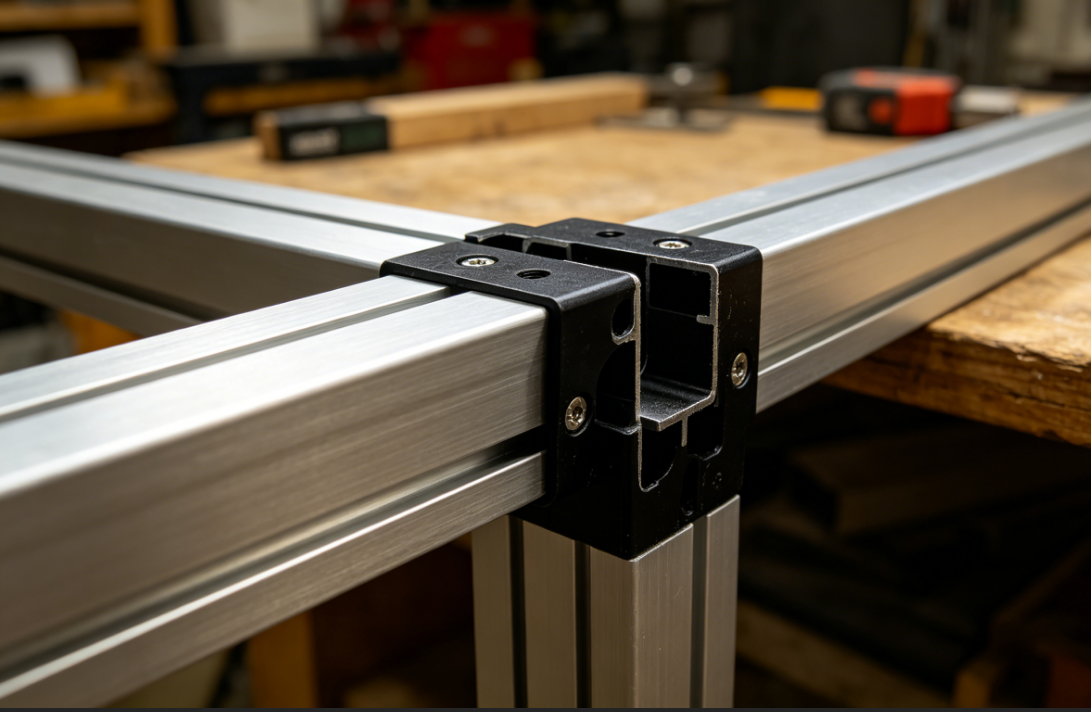
T-type insertion nuts are the core locking accessories, divided into two disassembling styles: shrapnel type and hammer-in type. Shrapnel nuts are used for frequently remodeled frames, while high strength hammer-in nuts are used for heavy-duty fixed structures. Matching round head and socket head bolts, stainless steel anti-rust bolts are preferred for wet working conditions. Match with internal and external right-angle corner pieces to complete the vertical and parallel rod hard splicing fixed molding operations.
Function Expansion Accessories
Adjustable feet and mobile casters are suitable for two modes of frame fixing and shifting. Transparent acrylic, wire mesh panel, with pressure bar snap, rapid assembly of safety protection partition. Specialized wire channel, pressure line card buckle embedded in the slot to store the line, regular automation of the layout of the electric control line. Sealant strips and end caps prevent dust and noise, and protect the interior of the profile slot from impurities.
Balancing Strength, Weight, and Cost
Relying on the Force Data to Determine the Specifications
Lock the minimum compliant profile specification with the load deflection data, eliminating the need to increase the profile model without basis. It is sufficient to satisfy the deformation and load bearing standards, and there is no need to superimpose redundant strengths to waste materials and funds. Give priority to thicker wall profiles in the same series, rather than upgrading a whole series of profiles to optimize strength. A small increase in price to enhance the load-bearing capacity, self-weight increase is smaller, balancing the cost and load-bearing performance.
Differentiated Mix and Match Profile Layout
The bottom load-bearing columns and long span beams use heavy-duty profiles, while the upper enclosure uses lightweight profiles. By matching the materials in different areas, the rigidity of the overall frame reaches the standard and the overall weight of materials is effectively reduced. Long stress beams directly use rectangular profiles, one-way strengthening of bending resistance to save the cost of thickening materials. Targeted reinforcement of stress points, more economical and practical than the overall upgrade of profile specifications.
Optimization of Material Surface Layer to Control Costs
Standard anodized 6063 profiles are used in regular workshops, which are cost-effective and suitable for most working conditions. For chemical seashore corrosion site, upgrade 6061 anticorrosive aluminum alloy according to the need, not blindly high matching material. The non-visible hidden frame is made of ordinary oxidized profiles, while the visible booth is made of high-gloss finishing profiles. Distinguish the appearance level as needed, strictly control the useless appearance premium, and compress the comprehensive cost of the project.
Common Mistakes When Choosing T-Slot Profile Sizes
Insufficient Load-bearing Capacity
In order to compress the budget, the smallest specification profile was selected, and the frame shook and the rods bent frequently after the commissioning. The alignment of the equipment is shifted, which directly affects the accuracy of automated processing and delays the normalized production operation of the workshop. To avoid this, we need to calculate the dynamic and static double loads in advance, and finalize the profile specifications after superimposing the safety coefficient. Would rather upgrade a small grade of profiles, not to choose the critical load bearing capacity of low profile materials.
Excessive Selection of Materials for High Configuration
Selection of the No.1 profile is only based on experience, resulting in the profile weight exceeding the standard and the material procurement budget rising significantly. Difficulty in moving the rack, accelerated wear and tear of casters, and increased labor costs for on-site assembly construction. Relying on the manufacturer's load data sheet to verify the selection, fixed installations do not need to blindly choose industrial heavy-duty profiles. Small and medium-sized working conditions reuse 30 series of general-purpose profiles, can meet the needs of full-dimensional use.
Neglecting the Effect of Span Support
Equivalent profiles are stable and durable in short spans, but the deformation value increases exponentially when the overhanging span is lengthened. Without additional support columns, the profile's own rigidity alone cannot meet the load-bearing requirements of long spans. For overhanging beams of more than two meters, either upgrade large-size profiles or add vertical supports in the middle. Optimize the layout of the frame structure to solve the long-span profile sinking and bending problem at low cost.
Only Look at the Unit Price and Ignore the Adaptability
Procurement of low-priced non-standard profiles, the market standard hardware can not be adapted to the card position, need to customize the adapter accessories. Later remodeling without spot fittings, technical reform is difficult, long-term use of the comprehensive cost is higher. Priority to the market general standard 20/30/40 metric profiles, fittings throughout the network of common spot sufficient. Do not purchase niche non-standard groove profiles, to protect the later transformation, accessories replacement convenience.
Cross-series Mix-and-match Splicing Frame
Site mixed stock of different groove profiles splicing main load-bearing frame, splicing nodes uneven force. The seams are not tight, and the overall stability of the frame is greatly reduced due to the rapid loosening of the equipment after vibration. The whole set of load-bearing frame locks a single profile series, and the peripheral auxiliary materials can be compliant with the lightweight mix and match. The main force uniform specifications, peripheral zoning mix and match, taking into account the two-way demand for solidity and economy.
Neglecting the Bearing Capacity of Hardware Nodes
Emphasis on profile specification selection, ignoring the corner pieces, nuts bearing capacity, nodes before the profile breakage and failure. Ordinary corner pieces crack under heavy load, which directly leads to the disintegration and overturning of the whole set of frame. Rod load-bearing, hardware load-bearing two-way checking, nodes with double angle braces, reinforced connecting plate. Let the fittings load-bearing capacity to match the profile load-bearing capacity, eliminating the weak stress points of the frame splicing.
Ignore the Environment and Long-lasting Wear and Tear
Outdoor, oil, acid and alkali working conditions choose ordinary oxidized profiles, the surface layer of rapid corrosion whitening and damage. The card slot is rusted and stuck, the hardware can't be slid and disassembled, and the frame completely loses the ability to be reformed and reused. Determine the corrosion and temperature change working conditions in the workshop in advance, and select thickened oxidized and anti-static special profiles according to the needs. Adapt to the site environment, extend the service life of the frame and reduce the frequency of profile replacement.
Eliminate the Small Sample Load Test
Directly assembling the whole set of frames from bulk materials, without local load test pressure to prejudge the risk of deformation. If the external force of working condition exceeds the pre-set value, the whole set of frame can not meet the standard after completion and can only be reworked and redone. Complex working conditions first assembled local small samples, simulated full load force test deflection, stability performance. After checking the correctness of the batch construction materials, from the source to avoid the large number of selection and construction errors.
Expert Tips for Choosing the Ideal T-Slot Profile
Standardized Selection Steps for the Whole Process
Establishment of Fixed Selection Workflow
The first step is to sort out the basic working condition information of the four core items: load, span, environment and iteration. The second step applies the force formula, manufacturers data table, screening 2 groups of alternative compliant profile series. The third step to check the alternative profiles accessories interoperability, accounting for the main materials and auxiliary materials full-cycle landing cost. The fourth step modeling simulation test pressure, finalize the final model, issued a complete set of material assembly material list.
Flexural Priority Over Strength Selection Principle
The vast majority of aluminum frame failure, are bending deflection exceeds the standard rather than profile fracture damage. Precision automated equipment prioritizes strict control of sinking deformation values before checking the ultimate strength of the profile. A small upgrade of profile specifications, increase the number of support points, can efficiently improve the frame bending deformation. Optimizing the structural layout saves the project budget even more than high quality materials and thicker profiles.
Reasonable Application of Upgrading Selection Rules
When the stress value is close to the upper limit of a certain series of bearing capacity, directly upgrade the standard profile by one grade. Reserve a safety margin to adapt to the later small-scale technical reforms to install equipment and enhance the capacity of frame expansion. Under the working condition with sufficient load capacity, we do not blindly upgrade the material selection and optimize the support structure by relying on the original profiles. Rational upgrade selection, taking into account the safety margin, do not make meaningless high matching premium selection.
High-order Optimized Mix and Match Material Selection Program
Differentiated Selection of Materials by Layers and Zones
Choose heavy-duty profiles for the base of the bottom layer and the main beam of the long span, and choose small and medium-sized materials for the enclosure and the lightweight bracket of the upper layer. Layered matching weakens the overall self-weight, balances the stress performance and effectively controls the procurement budget. Unidirectional force beams are unified to use rectangular profiles, and vertical columns use standard square profiles. The shape of the profiles is adapted to the direction of force, using less material, stronger rigidity, and optimizing the overall construction structure.
Accounting for Full-cycle Cost
We go beyond the price comparison of single-meter profiles to account for the full-cycle costs of assembly, operation and maintenance, renovation and recycling. High-quality profiles with high dismantling and reuse rate make the total cost of long-term technical reform lower and more cost-effective. Preferred supporting perfect big brand profile system, complete model, common accessories, after-sales selection of perfect empowerment. Reduce the selection of trial and error time-consuming, speed up the project landing, saving design labor costs.
Conclusion
The selection of T-slot aluminum profiles cannot be based on experience alone, but needs to be combined with size standards, load data, working conditions, accessories and multi-dimensional research and judgment. By following the fixed selection process, avoiding mismatch of sizes and misuse of cross-series, and balancing strength, weight and cost, we can accurately select suitable profiles. Compliance selection can enhance the durability of the frame, reduce the cost of technical reform and operation and maintenance in the workshop, and be suitable for all kinds of automation construction projects.
Henan Retop Industrial Co., Ltd. Will Be There Whenever Wherever Whatever You Need

 What Is a T-Slot Aluminum Profile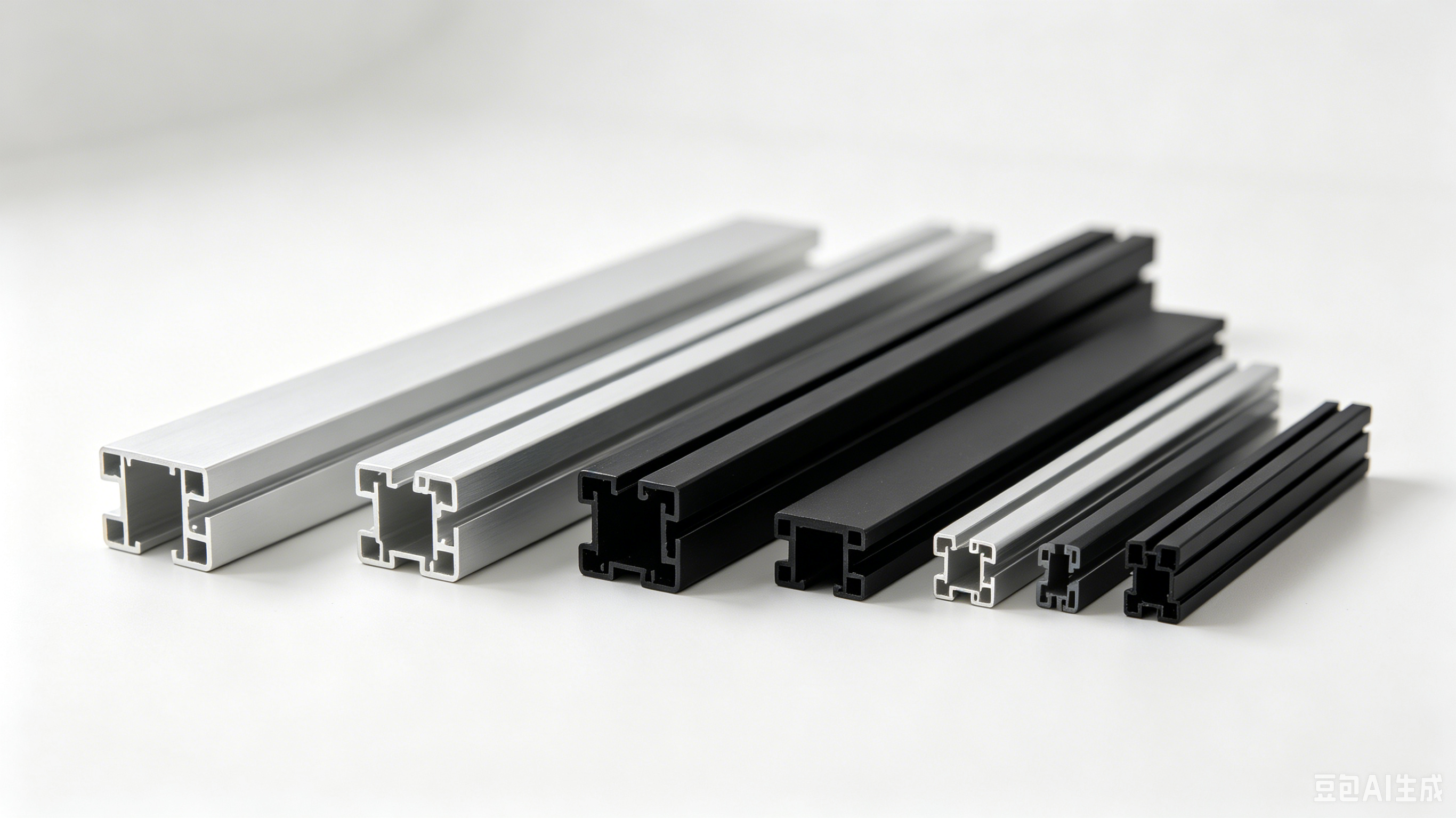
 Match Profile Size to Common Applications