The aerospace industry has very high requirements for lightweight, high strength and extreme environment resistance, and aluminum alloy extrusion profiles have become the core material of the industry by virtue of their comprehensive performance. This article combines the industry's development history, material advantages, application scenarios, process design and future trends, and comprehensively dismantles the application logic of aerospace aluminum profiles, helping industry practitioners accurately understand the key points of material selection and process.
The Importance of Aluminum Extrusions in Aerospace
Structural Materials for Civil and Military Aircraft
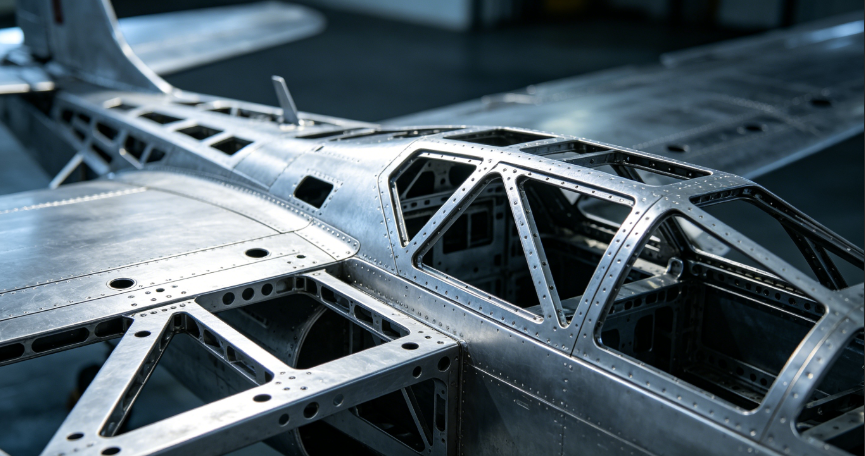
Extruded aluminum profiles cover the whole civil aviation fuselage, wing, tail full-dimension load-bearing skeleton system, and are the core structural metal used in the highest proportion in the mainstream mainline and regional civil aviation models of Airbus and Boeing globally. At the design stage of the whole aircraft, all major aviation companies will give priority to optimizing the fuselage load-bearing layout scheme based on aluminum profiles. Domestic and overseas military aircraft landing gear lateral auxiliary support, fuselage built-in reinforced load-bearing skeleton, are customized to use high-strength heat-treated extruded aluminum, accurate balance between the unladen weight of the aircraft and high-altitude maneuvering, dive load bearing performance. It is suitable for military aircraft speed change, high overload flight, field take-off and landing under multiple harsh working conditions.
Materials for Deep Space Supporting System
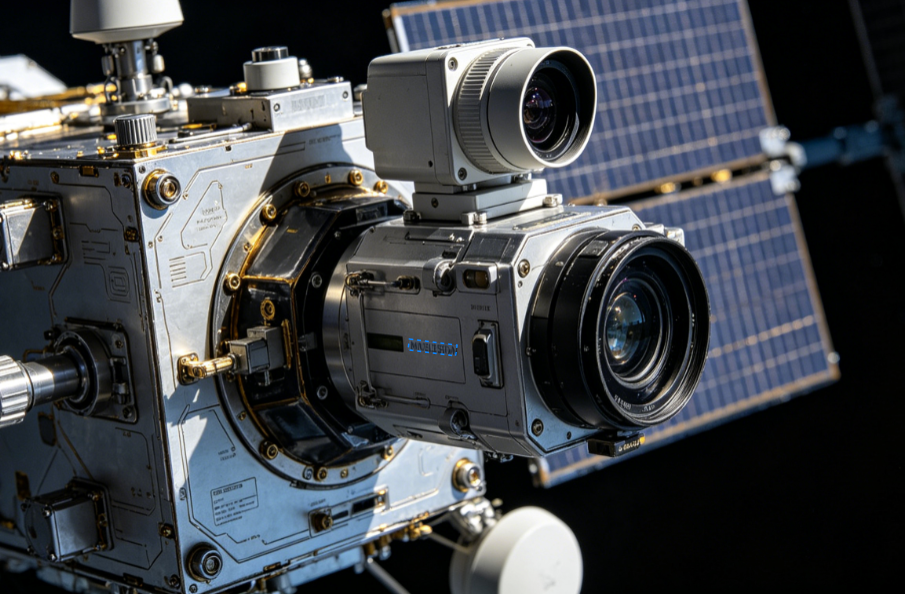
The segmented skeleton of the carrier rocket body, the cabin support of the artificial satellite, and the truss structure of the space station straddling the cabin are all made of customized thickened and high-strength extruded aluminum profiles, which can strictly control the weight of the initial load of the spacecraft launching, and effectively reduce the comprehensive operation cost of a single space launching. The profiles can be adapted to the instantaneous high-pressure and high-frequency vibration working conditions of the rocket lift-off. Micron-level micro-precision extruded aluminum profiles are exclusively adapted to the processing and production of aerospace sensing modules and on-board electronic control sealing shells, and the materials can effectively resist the aging loss brought by the vacuum environment in space and shallow radiation in the universe. The dimensional accuracy of the profile meets the stringent tolerance standards for aerospace deep space equipment installation.
Why Aluminum Is a Preferred Material for Aerospace Applications
Primary pure aluminum with copper, zinc, magnesium, lithium multi-metal element alloy modification, with aviation exclusive T6, T7 heat treatment process to strengthen the performance of the profile tensile, anti-fatigue bearing capacity to match the aircraft reciprocating cyclic flight alternating loads. The mechanical properties of the material are controllable, and can be adjusted according to the need to adapt to high and low stress structure points. The lightweight qualities of aviation aluminum can effectively reduce the unladen weight of the aircraft, directly reduce the fuel consumption of civil aviation flights, and enhance the passenger and cargo payload of passenger aircraft. At the same time, it optimizes the air maneuvering speed and dive performance of military aircraft, and lengthens the flight range of the whole aircraft.
All-weather Environmental Resistance
The primary dense oxide film on the aluminum surface has its own basic anticorrosive protection ability, and with the anodic oxidation and cladding anticorrosive deep-processing process, it can effectively resist the composite corrosion loss brought about by airport de-icing salt, high altitude temperature difference between day and night, and humid airflow. Significantly reduce the probability of external profile corrosion cracking, surface peeling failure. Aviation modified aluminum has non-magnetic, non-sparking safety physical characteristics, closed and oxygen-free working conditions will not produce ignition hazards, perfectly adapted to the aerospace confined compartments, airborne sealed fuel tanks exclusive safety production and use standards. It is suitable for space and airborne hermetically sealed high-risk special operations in all scenarios.
Adaptable Performance in the Whole Process
Aerospace aluminum alloy has excellent ductility and plasticity, and is compatible with a full set of aerospace processing techniques such as hot extrusion, precision forging, seamless welding, and low-cost one-piece molding of shaped composite load-bearing structural parts. The high processing tolerance rate makes it suitable for the non-standard customized parts production needs of aviation enterprises. Aluminum conductivity, thermal conductivity and physical properties are balanced and stable, which can be used as the grounding conductive substrate of on-board electronic control equipment to ensure the safe operation of the circuit, and can also be processed and molded into an on-board heat exchanger and heat dissipation profiles. It can be used as the grounding and conduction base material for on-board electronic control equipment, and can also be processed and molded into on-board heat exchanging and dissipating profiles in one piece.
Low-carbon and Sustainable Material Properties of the Industry
Qualified aerospace extruded aluminum alloy profiles can be recycled by melting many times without loss, and the mechanical strength and anticorrosion properties are almost non-decaying after secondary deep processing, which effectively reduces the carbon emission value of the whole production and service cycle of the aircraft. It is in line with the requirements of the global aviation low-carbon emission reduction top-level control policy. At present, domestic and foreign aviation closed-loop aluminum recycling and processing industry chain is becoming more and more perfect, end-of-life aircraft aluminum recycling rate can reach more than 95%, low-cost feedback aviation profile production and processing. This will help civil aviation and deep space aerospace sectors to steadily reach the 2050 carbon-neutral development of hard control targets.
Key Aerospace Components Manufactured Using Aluminum Extrusions
Fuselage Load-bearing Skeleton Accessories
The longitudinal load-bearing longitudinal beams, circumferential closed reinforcement frames, and external trusses of the skin belong to the core load-bearing extruded profiles of the aircraft, which can stabilize the fuselage shell structure in all directions, and uniformly conduct and disperse multi-dimensional loads in the whole area brought about by the impacts of high-altitude cruising, take-off and landing. The profile has been mechanically optimized, and the force utilization rate is much higher than that of ordinary cut plates. The profile has a factory integrated pre-sealed alignment groove that integrates on-board electronic control lines and hydraulic piping, eliminating the need for additional external piping brackets, streamlining the space for built-in fittings, and optimizing the internal structural layout of the fuselage. At the same time, it reduces the number of external fittings and reduces the risk of wear and tear of pipelines at high altitude.
Wing Aerodynamic Load-bearing Profile Accessories
The main and secondary main beams of the wing give priority to high-strength heat-treated extruded aluminum with box-type and I-type cross-section, which can carry the compound stresses of bending, shearing and torsion of the wing during the whole process of take-off and landing and speed change and cruising, so as to keep the bottom line of the wing's structural safety. The bending resistance of the profile section has been simulated and verified, which is suitable for all flight conditions. The built-in ribs of the wing and the external reinforcement of the skin are molded by the lightweight extrusion process, which firmly fix the standard aerodynamic shape of the wing, resist the deformation and extrusion caused by the wind pressure and air pressure difference of the strong airflow at high altitude, and guarantee the aerodynamic stability of the flight. The lightweight design will not increase the unladen weight of the wing.
Tail Stabilizing Surface Specialized Fittings
Horizontal and vertical tail reinforcement beams and built-in support rib profiles, material parameters and cross-section structure of the aircraft wing special load-bearing profiles, the force performance of the interoperability and adaptability, to ensure the stability of the aircraft's high and low altitude variable-speed flight heading control. The tail profile has higher anticorrosion grade, which is suitable for external open-air flight environment. The tail fin movable control structure connecting fittings are made of high-precision tolerance extruded aerospace aluminum, which improves the precision and response speed of rudder linkage control, adapts to high-altitude, high-speed, low-altitude and low-speed variable flight conditions, and optimizes the feel of the whole aircraft's flight control. The material has excellent resistance to alternating fatigue, suitable for high-frequency reciprocating maneuvers.
Landing Gear Accessories
The landing gear external protection hatches and lateral reinforcement struts are made of medium to high strength extruded aluminum, which effectively reduces the unsprung weight of the landing gear and the vibration loss of the fuselage structure due to the impact of takeoff and landing. Compared with forged aluminum, the production cost is lower and the processing cycle is shorter. The on-board shock absorber external protection shell and landing gear connecting support are integrated and extruded, and the material is strengthened by aging treatment, which can withstand the high-frequency impact loads of takeoff and landing for a long period of time, slow down the aging of the parts and lengthen the service replacement cycle of the landing gear accessories. Suitable for civil aviation daily high-frequency takeoff and landing navigation conditions.
Cabin Interior Fittings
Civil aviation cabin luggage rack load-bearing frame, toilet integrated support profiles, using lightweight extrusion technology processing molding, under the premise of safeguarding the cabin load-bearing safety to reduce the unladen deadweight of the aircraft, long-term savings in aircraft cruise fuel consumption, reducing the normal operation of the airline company's energy costs. The material is odorless, environmentally friendly and suitable for the closed cabin environment. The cabin embedded lighting slot and fuselage airtight sealing door frame are made of exclusive shaped aluminum profiles with anodic oxidation anti-corrosion and noise reduction treatment on the surface, which are suitable for the airtight and low-pressure cabin environment with variable temperature difference, and meet the civil aviation standards of anticorrosion, noise reduction and airtightness for multiple installations. The size of the profile fits the openings of the fuselage, and no secondary grinding is required for on-site assembly.
Aerospace Airborne Special Profile Accessories
The spaceborne electronic control heat dissipation shell and hydraulic pipeline limit fixing profile are directly molded by integrated hot extrusion process without splicing and reinforcement, which are suitable for the extreme working conditions of vacuum and atomic oxygen erosion in space, and ensure the long-term stable operation of the airborne equipments. The profile is non-magnetic, which will not interfere with the aerospace precision sensing signals. Foldable solar panel support bracket for artificial satellites and fixed base profiles for deep space exploration instruments, the wall thickness and self-weight of profiles are strictly controlled throughout the whole process to minimize the weight of spacecraft accessory structures, effectively enhance the payload of rocket launches, and save space launching expenses. Adapting to the lightweight material demand of the batch of networked satellites
Advantages of Aluminum Extrusions in Aircraft Manufacturing
Extreme Lightweight Mechanical Benefits
The density of aerospace heat-treated modified aluminum profiles is much lower than that of carbon structural steel, and the customized shaped cross-section can maximize the use of the alloy's intrinsic strength, eliminate redundant materials and structural weight redundancy, and take into account the two core manufacturing indexes of airframe load-bearing stiffness and lightweighting. Compared with steel, it can directly reduce weight by more than 60%, which is an outstanding weight reduction advantage. Aircraft unladen weight is effectively controlled to reduce the civil aviation model cruise fuel consumption steadily reduced, directly reduce the normalized operating costs of the airline company, military aircraft can reduce the logistics fuel supply frequency, two-way reduction of the full cycle of operation and maintenance of capital investment. At the same time, it improves the comprehensive efficiency of the aircraft's flight endurance and cargo-carrying and passenger-carrying capabilities.
Multifunctional Integrated Molding Benefits
A single integrated extruded aluminum profile can synchronously integrate structural reinforcement, airborne routing, and equipment heat dissipation with multiple integrated functions, eliminating the need to disassemble and assemble multiple small parts, and streamlining fuselage accessory categories. Reducing the number of outsourced spare parts simplifies the whole machine supply chain stocking management process. The integrated profile greatly reduces the number of fuselage welding and bolt splicing points, effectively reduces the potential risks of structural stress concentration and seam corrosion, and reduces the number of flight safety faults such as high-altitude stress fracture and line wear and tear short circuit from the source of the process, thus enhancing the flight safety coefficient of the whole aircraft. Later troubleshooting and overhaul operations are also more convenient.
Long-cycle Anti-corrosion and Durability Benefits
Native oxide film superimposed anodic oxidation, cladding modification of the dual surface technology, molded aluminum profiles can be long-lasting resistance to high altitude temperature difference between day and night, water vapor erosion, airport de-icing agent corrosion and other multiple composite conditions, surface protection strong adhesion, flight vibration is not easy to fall off under the failure. It is suitable for all-weather navigation conditions in coastal and alpine airports. Aviation aluminum profile later operation and maintenance grinding, anticorrosion coating process is simple and convenient, field station maintenance personnel without professional large-scale equipment to complete the repair work, without frequent disassembly and replacement of structural parts. This effectively lengthens the aircraft overhaul cycle, reduces downtime for maintenance, and improves the efficiency of aircraft flight attendance.
Anti-fatigue Flight Adaptation Benefits
Extruded aluminum for aviation is optimized and modified by exclusive aging and solution heat treatment process, with uniform and dense internal metallographic organization, which can withstand long-term aircraft cruise, take-off and landing high-frequency cyclic bending, impact and alternating loads, and is not prone to internal cracks and structural fatigue failures. Suitable for aircraft decades of long-term service stress standards. Field airstrips and temporary field stations can be sanded and repainted to repair damaged aluminum components, with a very low maintenance threshold and short time consumption, suitable for military aircraft field emergency protection operations. Compared with the brittle carbon fiber composite material, it can only be replaced as a whole after breakage, and the gap between the flexibility of operation and maintenance is very obvious.
Green Cycle and Low Carbon Manufacturing Benefits
Aerospace aluminum profiles that have reached the end of service life can be directly sorted and sent to the smelting furnace for closed-loop refining and recycling, with almost no loss of alloy base mechanical strength and anticorrosion properties, and can be adapted to the standard of high-end aerospace structural materials for secondary finishing. There is no need to re-refine aluminum by electrolysis, which significantly reduces the energy consumption of primary aluminum production. The closed-loop production mode of the whole chain aluminum greatly reduces the carbon emission value of the whole process of aluminum ingot electrolysis and profile extrusion, which is in line with the carbon neutral control policy of the whole industrial chain of global civil aviation and commercial aerospace industry. It helps headline aviation enterprises and aerospace institutes to steadily reach the ultimate goal of zero-carbon development in the industry in 2050.
Aluminum Extrusions in Space Exploration and Satellite Systems
Application of Exclusive Profiles for Artificial Satellites
The closed main body of the satellite, the foldable solar panel telescopic support, and the external signal antenna load-bearing base are all made of customized anti-corrosion high-precision extruded aluminum profiles, with dimensional tolerances up to aerospace first-class installation standards, suitable for long-cycle static service conditions in space. Star chain mass grouping of small low-orbit satellites, the use of standardized general aluminum profile assembly line mass production, unified component specifications, significantly compressed single satellite R & D, production and manufacturing costs, while strictly controlling the weight of the entire machine, to ensure that the satellite batch grouping of network launch landing.
Carrier Rocket Body Profile Application
The carrier rocket interstage sealing adapter ring, slug fairing lateral auxiliary support, and bottom thrust reinforced load-bearing base are unitedly made of high-strength and heat-resistant extruded aerospace aluminum profiles, which are resistant to high temperature of liftoff aerodynamics and bottom thrust impact, and stabilize the segmented connection structure of the rocket body. The mainstream reusable commercial rockets of Arian and Falcon are fully equipped with modified aluminum-lithium extruded profiles to optimize the force structure of the arrows, improve the impact and fatigue resistance of the arrows, extend the number of times the arrows are reused for takeoff and landing, and reduce the cost of consumables for a single batch of space launches.
Application of Profiles for Deep Space Exploration Landing Equipment
The Mars unmanned exploration vehicle chassis load-bearing frame and the fixed support bracket for on-board exploration instruments are made of high-toughness and impact-resistant aerospace extruded aluminum profiles, which are suitable for the interplanetary landing under the complex working conditions of bumps and crashes and dust erosion on the ground surface, and protect the on-board exploration instruments from intact operation. The frame structure of the lunar resident habitat for global deep space research planning is constructed with closed-loop recyclable aerospace extruded aluminum, taking into account the multiple requirements of lightweight, anti-lunar dust corrosion, and dismantling and reuse for the extraterrestrial station, which is suitable for the long-term construction of extraterrestrial bases.
Aerospace Aluminum Alloys Commonly Used for Extrusions
2xxx Aluminum-copper High-strength Alloy
2xxx series with 2024 grade as the core representative, after T4 solution heat treatment with excellent alternating fatigue resistance, long-term tensile deformation capacity is stable, exclusively suitable for fuselage wing surface, longitudinal beam of the fuselage long-term tensile load-bearing parts of the profile finishing use. Suitable for high altitude reciprocating stress flight conditions. This series of regular fit T3, T4 standard aviation tempering process, molding profile toughness, hardness ratio is balanced, weldability is good, not easy to stress cracking, suitable for high and low altitude temperature difference alternating, airflow impact of variable full-time flight stress conditions.
6xxx Aluminum-magnesium-silicon Alloys for General Use
The mainstream grade of 6xxx series is 6061 Al-Mg-Si alloy, which has excellent hot extrusion fluidity, high molding yield, balanced performance of anodic oxidation and anti-corrosion, on-site welding, machining and cutting, and ranks first in the whole series of aeronautical aluminum materials in terms of overall suitability, and has strong generality in the industry. This series of aluminum procurement and processing costs are low, without high-end temperature control equipment production, mostly used for cabin interior frame, fuselage secondary reinforcement auxiliary materials, suitable for medium load-bearing, low-cost operation and maintenance of the conventional civil aviation supporting materials for the whole scene.
7xxx Series Aluminum-Zinc-Magnesium Ultra High Strength Alloy
7xxx series 7075 high-strength aluminum, zinc and magnesium alloy, with static compressive strength comparable to that of low-carbon structural steel and extremely strong load-bearing capacity, is exclusively suitable for high-stress core load-bearing extrusion profiles such as wing main beams and fuselage load-bearing bulkheads, so as to keep the bottom line of structural safety of the whole aircraft. The improved and upgraded grade 7050 optimizes the grain organization structure, greatly improves the anti-stress cracking and anti-interlaminar peeling performance, and is suitable for large thickness and large cross-section aerospace load-bearing extrusion profiles, so that it is not easy to crack and deform in long-term service at high altitude, and the whole aircraft has a higher safety coefficient in service.
Aluminum-lithium Lightweight Special Aerospace Alloy
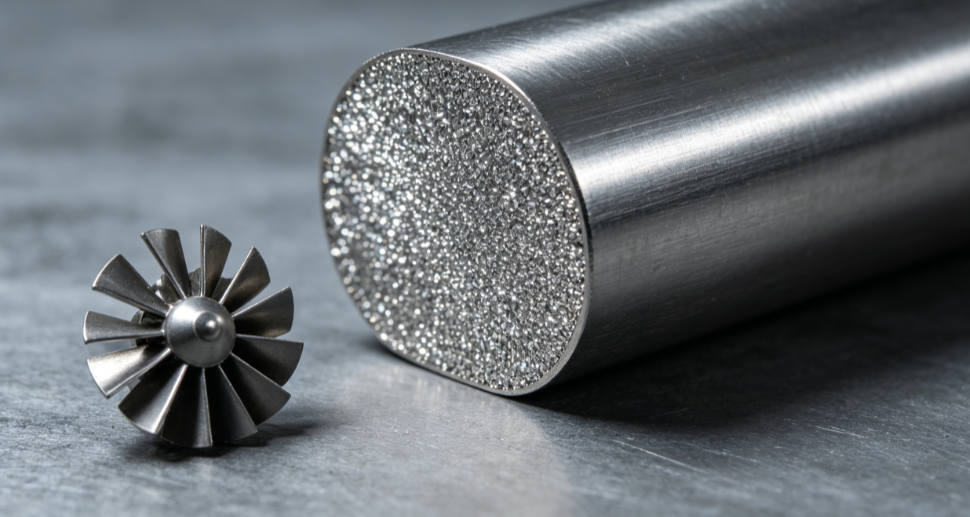
2195 and 2099 are the mainstream commercial aluminum-lithium special aerospace alloys in the market, the density of the base material is reduced by 3%-10% compared with that of the 7 series conventional aluminum, the structural rigidity and anti-fatigue performance of the space have been upgraded comprehensively, and there is no substitute in the industry in terms of the advantages of weight reduction and efficiency. This kind of special aluminum is exclusively used for rocket external fuel storage tank, large civil aviation fuselage load-bearing truss, is the current and the next ten years of aerospace extreme weight reduction project, the first choice of upgrading the special alloy materials, the market application of incremental increase continues to go up.
Engineering and Design Considerations for Aerospace Extrusions
Alloy Selection Control for Working Conditions
The wing and fuselage longitudinal beams, which are subjected to alternating tensile loads for a long period of time, are selected to use fatigue-resistant 2024 alloy; the pressure-bearing spacer frames of the fuselage and high-pressure-resistant points of the base are fitted with 7075 and 7050 ultra-high-strength alloys to match the working conditions accurately. Deep space in-orbit extreme weight reduction project unified lock aluminum-lithium special alloy, cabin interiors, cabin ancillary simple structure selection of affordable 6061 aluminum, graded selection of materials to balance structural performance, procurement costs and production and processing difficulties.
Control of Profile Cross-section and Structure
Aviation-specific profiles uniformly adopt uniform wall thickness, left-right symmetrical cross-section structure, and the corners are reserved for rounded transition chamfers to avoid the problem of varying deformation of thickness and thinness during extrusion cooling, and at the same time, reduce the wear and tear of the die corners and extend the service life of high-end extrusion dies. The profile is integrated with special grooves reserved for on-board routing and closed heat dissipation of the equipment, and the overall size of the profile external circle is strictly controlled, which is suitable for the upper limit of the processing of aviation tons of presses without the need for secondary milling and groove processing, and simplifies the back-end finishing process.
Tolerance Control of Aviation Grade Dimensions
Fuselage main beam, wing load-bearing core profiles, dimensional tolerances are strictly controlled ±0.001 to ±0.003 inches, with precision much higher than that of civil construction industrial aluminum profiles, to meet the requirements of high-precision assembly of the entire aircraft and seamless loading of the aircraft. At the design stage, the core critical dimensions and auxiliary assembly dimensions are graded and controlled, while the non-appearance and non-stressed parts are moderately relaxed, which reasonably reduces the scrap rate of profile processing and controls the production cost of aerospace profile finishing.
Full Life Cycle Cost Design Control
The structural design stage of the profile takes into account the attributes of detachable and non-destructive disassembly, optimizes the splicing buckle structure, and efficiently sorts aluminum components after the aircraft is scrapped and disassembled, which reduces the difficulty of closed-loop recycling and smelting and enhances the recycling utilization rate. Optimize the cross-section of the profile to streamline the use of raw materials, balanced control of the pre-molding production and procurement costs, and the mid- and post-field transportation and maintenance costs, so as to achieve the optimal economic performance of the full service cycle of aviation aluminum profiles from the source of the design, and to adapt to the scale of mass production.
Future Trends in Aerospace Aluminum Extrusion Technology
New Generation of Modified Aluminum-lithium Alloy Research and Development
The fourth generation of self-developed modified aluminum-lithium alloy focuses on optimizing the welding and bending deformation processing performance of the plate, adapting to the seamless closed-loop processing of the integrated fuselage profiles with large cross-section, reducing the fuselage splicing weld seams, and enhancing the structural sealing and integrality of the whole aircraft. The new aluminum-lithium alloy surface corrosion resistance is iteratively upgraded, the anodic oxidation protection process is simplified, and the production cost of surface treatment is reduced, which further reduces the cost of normalized operation and maintenance of materials used in high-end civil aviation and deep-space spacecraft in the later stage.
Popularization of Super-large-size High-precision Extrusion Process
In 2026, a number of 10,000-ton constant-temperature extrusion lines were put into production, which can form the whole section of the fuselage in one piece, reduce the number of fuselage segments splicing and welding points, and improve the airtightness and structural strength of the whole aircraft, to meet the needs of large aircraft manufacturing. The ultra-thin-walled micro-precision extrusion process is fully mature, and can mass-produce micron-sized niche shaped profiles, accurately adapted to low-altitude eVTOL electric aerial vehicles, micro-networking satellites, exclusive lightweight supporting materials, and complete production capacity of sub-categories.
Closed-loop Low-carbon Aluminum Production Model
Low-energy, low-carbon electrolytic primary aluminum and closed-loop recycled aluminum for aircraft have been put into production and applied on a large scale, reducing the carbon footprint of the whole process of smelting and extruding of aviation aluminum from the source, which is in line with the green manufacturing industry standards. The industry optimizes the energy-saving and temperature-control process of the gas extrusion furnace, and matches the chromium-free green anodic oxidation surface process to reduce production emissions and energy consumption in all aspects, which is in line with the rigid control requirements of the whole aviation industry chain in terms of carbon-neutral, green and low-carbon development.
Aluminum Composite Material Integrated Composite Molding process
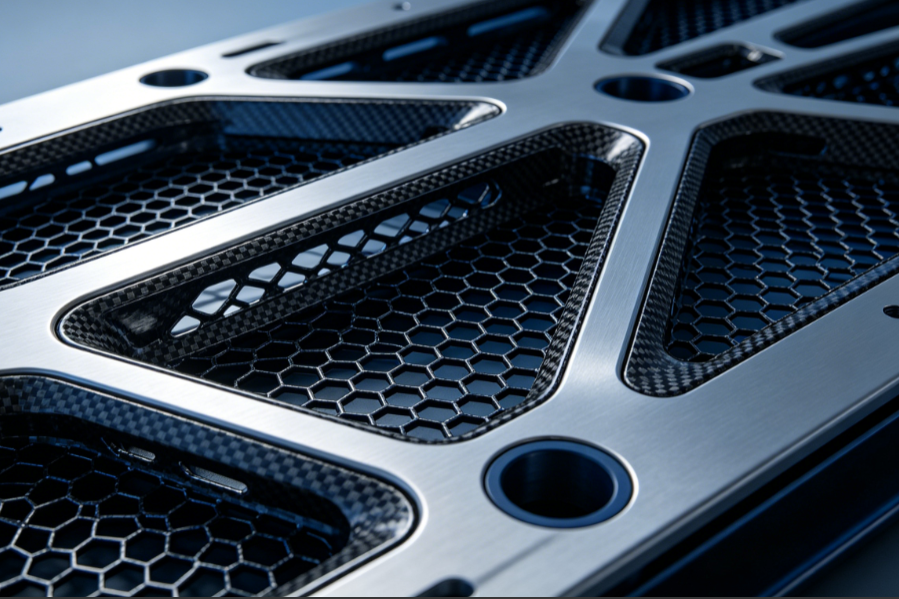
The new process realizes the integrated molding of carbon fiber composite sandwich embedded in the aluminum profile, integrating the dual advantages of easy processing of aluminum and high strength of composite material to create ultra-lightweight and high-strength composite aeronautical components, which is suitable for the development of new-generation stealth military aircraft and energy-saving civil aviation. 3D printing fast customized shaped extrusion reinforcement molds, with profile local reinforcement extrusion process, flexible small batch production of special shaped aerospace profiles, suitable for scientific research and testing, special aircraft non-standard customized material needs.
Conclusion
Comprehensive view of the whole article, aluminum profiles by virtue of lightweight and high strength, easy processing, extreme environment resistance, recyclable multiple advantages, through the civil aviation, military aircraft, deep space aerospace application of the whole scene. From traditional alloys to aluminum-lithium special materials, from simple profiles to intelligent integrated components, aviation aluminum profiles continue to adapt to industry upgrades, and will continue to solidify the status of aviation core materials relying on low-carbon manufacturing and composite technology.
Henan Retop Industrial Co., Ltd. Will Be There Whenever Wherever Whatever You Need

 Advantages of Aluminum Extrusions in Aircraft Manufacturing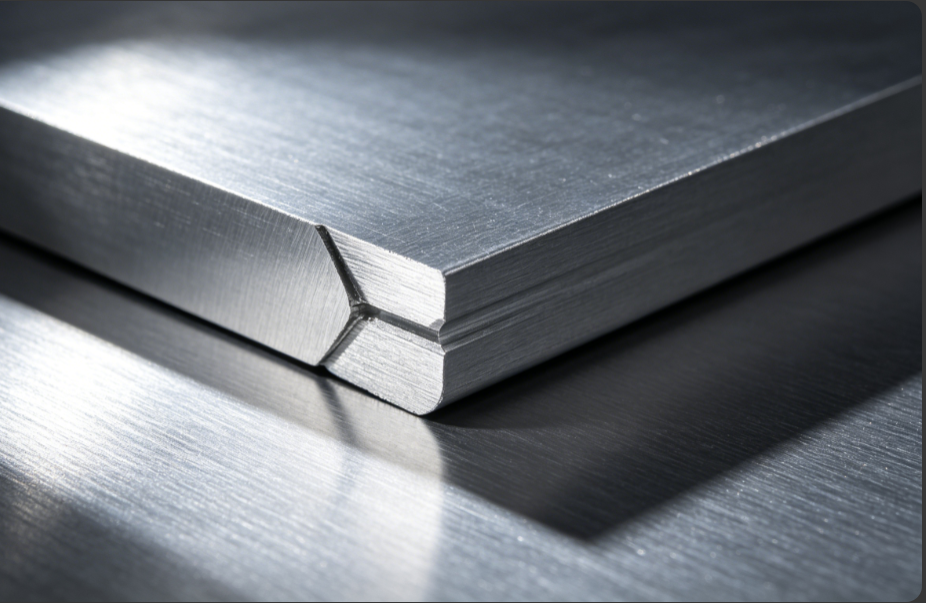
 Future Trends in Aerospace Aluminum Extrusion Technology
.jpg)