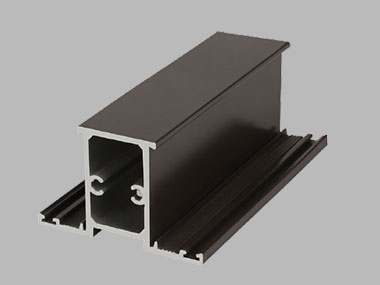
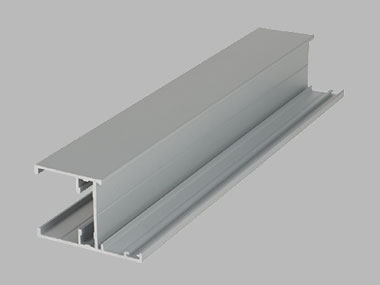
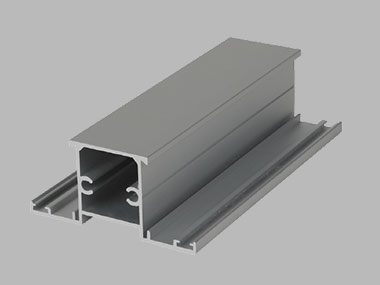
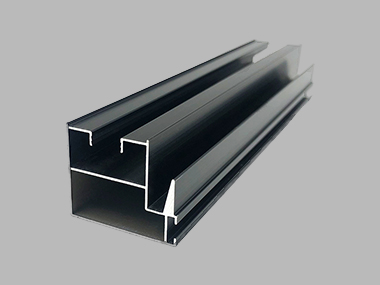
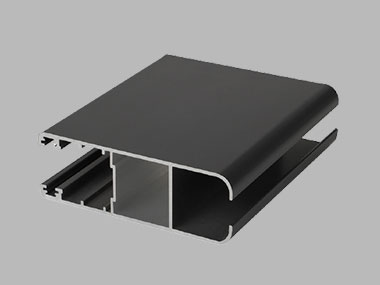
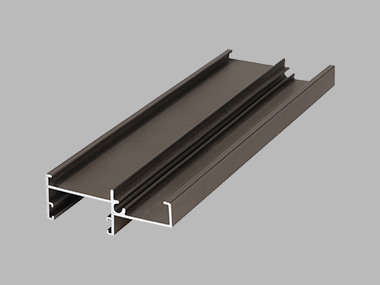
Sustainable building plays a central role in the transformation of the civil construction industry in line with carbon neutral targets and sustainable building standards. Aluminum profiles stand out from the crowd of building materials due to their comprehensive performance and environmental properties, as well as their compatibility with certification systems. Aluminum profiles are an important material for meeting the safety, aesthetic and energy efficiency requirements of buildings, and are sustainable throughout their life cycle, helping to reduce carbon emissions.
What Makes Aluminum a Sustainable Material?
Light and Strong,Structural Advantages for Efficiency and Safety
Aluminum is only one-third as dense as steel, yet with a tensile strength of over 240 MPa, it is perfectly suited to the structural safety requirements of buildings. This property makes aluminum profiles easy to transport and install, reduces the load on building foundations, and shortens the construction cycle of high-rise buildings by more than 30%. For example, in a 30-story green residential project, the use of aluminum windows, doors and curtain walls reduced transportation energy consumption by 60%, increased construction efficiency by 40% and saved nearly $2 million in labor costs. In high-rise buildings, aluminum's lightweight and high-strength properties not only reduce the overall weight of the building, reduce foundation requirements, and improve construction safety, but also ensure structural stability. It provides greater design flexibility and helps create a light and airy building appearance.
Ultimate Durability
Durability is at the heart of sustainable building materials, and aluminum extrusions excel in this regard. Modern aluminum alloys are perfectly engineered to withstand heavy loads and extreme stresses, and remain structurally stable in the natural environment for decades. The structural strength and corrosion resistance of the aluminum curtain wall of a famous building in New York remains high after more than 40 years of use, reducing wasted building materials and secondary construction. In the long run, the durability of extruded aluminum profiles provides reliable protection for construction projects. Aluminum components remain stable and secure regardless of weather conditions, making them ideal for high-quality, long-lasting construction projects.
Naturally Corrosion Resistant
Aluminum extrusions form a dense protective layer of oxidation on the surface, which provides natural corrosion resistance. Unlike steel, aluminum can withstand outdoor rain, humidity and salt spray without additional protection, making it ideal for highly corrosive environments. In a coastal housing project on the southeast coast of China, aluminum windows, doors and railings withstood 10 years of sea winds without rusting or warping. In complex natural environments, the natural corrosion resistance of aluminum profiles makes them widely applicable. Whether in humid and rainy areas or in industrially polluted cities, aluminum construction materials remain in good condition, reducing maintenance and replacement costs.
100% Infinitely Recyclable
Aluminum is the only metal that can be recycled indefinitely without degradation, and the recycling process requires only 5% of the energy required to produce primary aluminum. For every ton of aluminum recycled, approximately 11 tons of coal are saved and 2.5 tons of CO2 emissions are reduced. In the construction sector, both scrap aluminum and end-of-life components can be recycled. In an old factory renovation project, 95% of the aluminum roofs, doors and windows removed were recycled. In the context of green development, the unlimited recyclability of aluminum promotes a circular economy. Through recycling, aluminum building materials reduce dependence on natural resources, lower energy consumption and pollution, and provide significant environmental value.
Whole Life Cycle Energy Saving
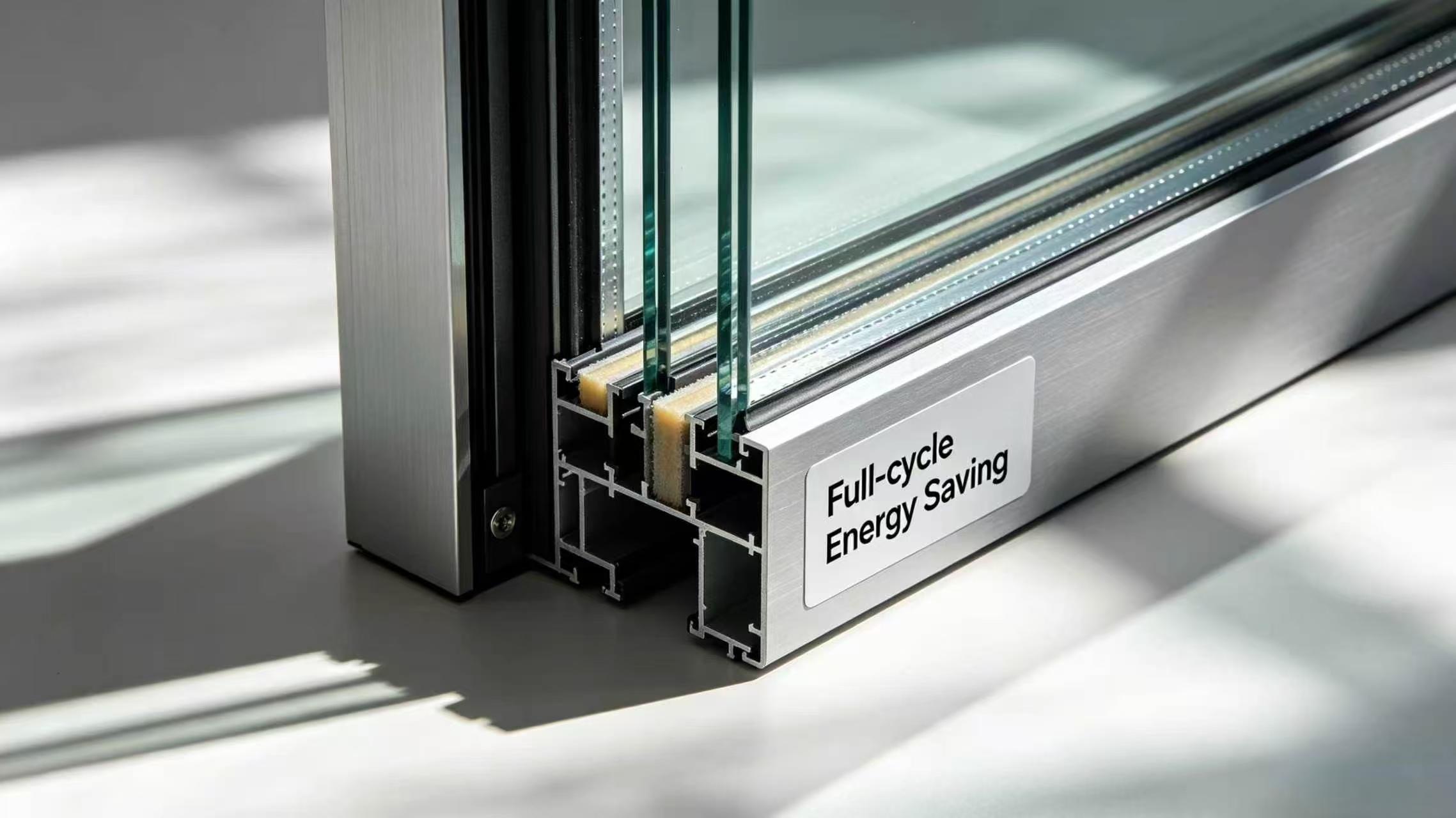
The energy-saving benefits of aluminum profiles extend throughout the entire life cycle. During production, the use of recycled aluminum and advanced technology reduces energy consumption; during transportation, the lightweight nature reduces carbon emissions. In terms of use, aluminum windows and doors reduce energy consumption for heating and cooling, and reflective aluminum roofs reduce cooling demand. After adopting the environmentally friendly office building, the annual energy consumption of air-conditioning has been reduced by 40%, saving about 500,000 yuan in annual electricity costs. From source to end, aluminum profiles offer significant energy savings in all aspects and are essential materials for achieving carbon neutrality in buildings. As technology advances, its energy-saving potential will be further unlocked.
Long-term Cost Savings
Although aluminum profiles have a high initial purchase cost, their cost advantages are evident throughout their life cycle. With their durability and low maintenance requirements, aluminum profiles can significantly reduce maintenance costs and downtime losses over decades of use. Over the long term, the total cost of ownership of aluminum roof panels and curtain wall systems is 30-40% lower than conventional materials, with a higher recycling value. Long-term economic viability is a key factor in construction projects. The durability and low maintenance of aluminum profiles not only saves on maintenance costs, but also increases potential revenue, resulting in a higher return on investment.
Design Flexibility
Extruded aluminum profiles are highly malleable and can be used in a variety of processes to achieve a wide range of shapes, sizes and colors, providing unlimited creativity in building design. Architects can customize complex shapes to create structures that are both aesthetically pleasing and functional. A hotel in Dubai and an art center in China have both used aluminum extrusions to achieve unique design effects, and surface treatment technology has matured. The design flexibility of aluminum profiles breaks traditional constraints and allows for greater creativity in architectural design. Designers can combine aesthetics and functionality to meet the needs of a wide range of architectural styles.
Low Maintenance
The low maintenance requirements of aluminum profiles are an important indicator of sustainability. Unlike wood and steel, aluminum profiles require only occasional cleaning to maintain good performance and appearance, and are not susceptible to rotting, rusting or warping. Aluminum windows, doors and curtain walls in large commercial complexes have extremely low annual maintenance costs. The low-maintenance feature facilitates the management of construction projects, reducing labor and material costs and avoiding maintenance and construction downtime. For long-term projects, aluminum profiles make management easier.
Dual Energy-saving Advantages in Production and Use
The energy-saving advantages of aluminum profiles are reflected in both production and use. During production, advances in electrolytic aluminum technology and the application of cleaner energy sources reduce unit energy consumption; during use, high thermal conductivity improves the efficiency of heating, ventilation and air conditioning (HVAC) systems, and its reflective properties reduce air conditioning loads and support solar panels. From production to application, the dual energy-saving benefits of aluminum extrusions promote a greener construction industry with reduced environmental impact and improved energy efficiency.
Suitable for AWide Range of Industries
Aluminum's versatility has led to a wide range of applications across multiple industries, promoting the efficient use of resources. Aluminum plays an important role in the construction, automotive, electronics, and other industries; its use in a variety of industries also diversifies recycling channels and promotes cross-industry resource recovery. This cross-industry versatility gives aluminum an extremely high value for resource utilization and promotes the synergistic development of various industries, enabling aluminum to play a greater role in sustainable development. Applications of Aluminum Profiles in Sustainable Building
Structural Components
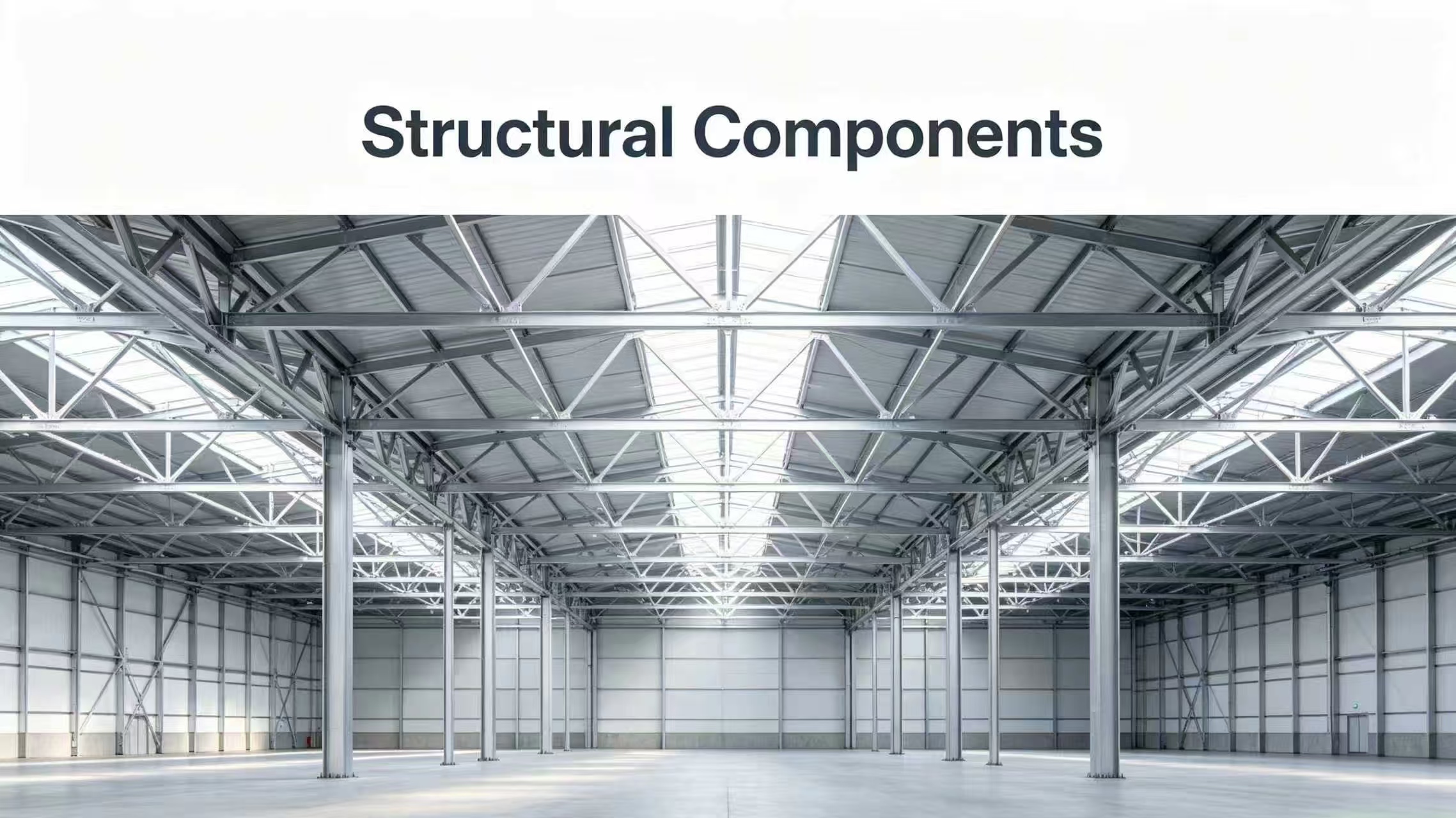
Aluminum profiles are widely used in structural components of buildings. Its lightweight and high-strength characteristics can effectively reduce structural deadweight and create more open space for buildings. In applications such as frame structures, supporting components, assembly nodes, etc., aluminum profiles not only ensure structural stability, but also reduce the material consumption and construction difficulty of foundation works. For example, in buildings such as large-span exhibition halls and corridors, aluminum structural members can achieve complex force transfer, while reducing carbon emissions during construction, in line with the demand for “high efficiency and low carbon” in sustainable buildings.
Door and Window Systems
Aluminum windows and doors are a mainstream choice for sustainable buildings, offering both energy efficiency and aesthetic value. Manufacturers have greatly improved the thermal insulation effect of windows and doors and reduced building energy consumption through designs such as adding heat-insulating strips to aluminum profiles and adopting insulating glass. Surface treatment technology allows for a wide range of colors and textures to match different architectural styles. Aluminum alloy doors and windows can be seen from ordinary residential to high-end commercial buildings. This dual advantage of “energy saving + aesthetics” makes aluminum alloy doors and windows a core application for sustainable buildings.
Curtain Walls and Facades
Aluminum profiles in curtain walls and cladding systems can simultaneously achieve energy efficiency, protection and aesthetics. Aluminum curtain walls improve the thermal insulation of building facades, reducing the exchange of heat between indoors and outdoors through rational cavity design and filling of insulation materials. Its corrosion resistance can withstand wind, rain, ultraviolet rays and other inclement weather to protect the main structure of the building. In addition, aluminum profiles can be processed into various shapes of curtain walls, from flat panels to shaped curved surfaces, bringing unique visual effects to building facades and becoming the signature elements of modern architecture.
Roofing Systems
The use of aluminum profiles in roofing systems highlights their durability and environmental friendliness. Aluminum roofing panels are lightweight and strong enough to withstand extreme weather conditions and have excellent corrosion resistance, making them particularly suitable for wet environments such as coastal areas. It can be installed with locking and nibbling edges to achieve good waterproofing and reduce the risk of roof leakage. Reflective aluminum roofing can also reflect solar radiation heat, lowering the indoor temperature of the building and reducing air-conditioning energy consumption, realizing the dual value of “protection + energy saving”.
Indoor Applications
Aluminum profiles can be widely used in a variety of indoor scenarios with both functionality and aesthetics. In partitions, railings, ceilings, decorative lines, etc., aluminum profiles can bring a modern and simple visual effect and enhance the texture of indoor space. The lightweight characteristics of aluminum profiles make them easy for interior remodeling and secondary decoration, and their high recycling rate reduces the waste of interior decoration materials. In addition, aluminum profiles are easy to clean and low-maintenance, which meets the requirements of “practicality and convenience” in interior spaces, making them a popular choice for interior design in residential and commercial buildings.
Comparison of Aluminum Profiles with Conventional Building Materials
Durability and Structural Performance
Aluminum profiles excel in durability and structural performance. They are inherently corrosion-resistant and can remain structurally stable for decades without additional protection, even in harsh outdoor environments; modern aluminum alloys can also meet the requirements of ultra-high and long-span structures. In contrast, other materials have many disadvantages. Steel is prone to corrosion and requires regular maintenance; wood is susceptible to insects and rot and has a short lifespan; and concrete is poorly resistant to cracking and suffers a significant drop in performance in freeze-thaw environments. Data from a coastal port warehouse project showed that the aluminum structure was still intact after 15 years, while the steel, wood, and concrete components all showed varying degrees of damage.
Long-term Maintenance Costs
Maintenance costs are an important part of a building's total life-cycle costs, and aluminum profiles have a clear advantage in this regard. Aluminum profiles are easy to clean and retain their condition over time, which greatly reduces maintenance costs. For a 50,000 m2 commercial building, for example, the annual maintenance cost of an aluminum curtain wall is only about $7,200 to $11,500 (at an exchange rate of $1 ≈ 7 RMB), much lower than that of a steel curtain wall ($28,600 to $43,000) and a wood curtain wall ($21,400 to $36,000). The long service life of aluminum profiles, which do not need to be replaced as often, not only reduces construction disruption and environmental impact, but also improves operational efficiency.
Embedded Energy and Environmental Impact
Embedded energy is the total energy consumption of a material throughout the entire process, from mining to production to transportation. While primary production of aluminum is energy-intensive, its infinite recyclability completely offsets this drawback. Since its inception, more than 75% of aluminum has been recycled, and the energy required to produce recycled aluminum is only 5% of that required for primary aluminum. In contrast, the production of steel is energy-intensive and deteriorates after many cycles; wood, although renewable, is often ecologically damaging to harvest and chemical treatment; and the production of concrete is a major contributor to global carbon dioxide emissions, making it less environmentally friendly. From a whole life cycle perspective, aluminum profiles have a far lower environmental impact than traditional materials.
Recyclability and Circular Economy
Aluminum profiles offer significant advantages in the context of a circular economy. Aluminum profiles can be recycled an unlimited number of times without any reduction in strength or quality, and the energy required for recycling is only 5% of that needed for primary production, enabling closed-loop use of resources. Aluminum has a clear advantage over traditional building materials when it comes to recycling. Steel has declined in performance after many cycles of use; wood is difficult to regenerate after preservative treatment; and concrete can only be downgraded for use as aggregate. In contrast, aluminum profiles can be recycled indefinitely without degrading performance, making them ideal for green buildings. They reduce resource consumption and environmental impact, while conforming to the principles of the circular economy.
Design Flexibility and Aesthetics
In terms of design flexibility and aesthetics, aluminum profiles are unmatched by traditional materials. Lightweight and easy to work with, aluminum profiles can be customized into complex shapes, perforations and surface treatments, perfectly suited to the minimalist and creative requirements of modern architecture. Aluminum has significant advantages over traditional materials. Steel is too heavy and has strict requirements for support structures and foundations, limiting design possibilities; wood requires extensive processing to create complex shapes; and concrete is difficult to remodel after pouring and has a high dead weight. Modern city skylines made of aluminum curtain walls and glass vividly demonstrate how aluminum profiles can balance aesthetics and structural efficiency to bring freedom to architectural design.
How Aluminum Profiles Improve Energy Efficiency
Outstanding Thermal Conductivity
The excellent thermal conductivity of aluminum profiles is a key advantage for thermal management. In the building sector, aluminum windows, doors and curtain walls help regulate indoor temperatures, reduce heat transfer and lower heating and cooling energy consumption. In the electronics industry, aluminum extrusions dissipate heat quickly, thereby preventing overheating and improving performance and service life. This efficient thermal conductivity reduces energy waste, making aluminum a key component of energy-saving solutions in many industries.
Lightweight and Strong
The “lightweight and strong” nature of aluminum profiles significantly reduces energy consumption during transportation and installation. In the transportation sector, aluminum components reduce vehicle weight, lower energy consumption during operation, and improve fuel efficiency and mileage. In construction, lightweight aluminum components require far less energy to transport than steel or concrete, and their easy-to-install nature shortens construction time, further reducing overall energy consumption. Their strength also ensures safety and durability during use, achieving the twin goals of “energy efficiency and stability/reliability”.
Recyclability
Aluminum's extremely high recyclability offers unique advantages in the area of energy conservation. Recycled aluminum consumes only a fraction of the energy used in the production of primary aluminum, but retains all of its original properties, enabling the recycling of resources. This process not only reduces the energy consumption associated with primary aluminum mining and smelting, but also lowers greenhouse gas emissions. As recycling technology matures, recycling channels for aluminum profiles are becoming more sophisticated and the recycling rate is increasing. This provides strong support for energy conservation and environmental sustainability, and serves as a model for energy conservation in the circular economy.
Heat Insulation Upgrade
Adopting thermal insulation measures can significantly improve the energy-saving performance of aluminum profiles. Conventional aluminum profiles conduct heat quickly, leading to significant heat loss between the interior and exterior of a building. A heat-insulating layer can form an effective barrier between the inner and outer layers of aluminum profiles, thereby significantly reducing heat transfer and effectively addressing the energy-saving shortcomings of aluminum profiles. The use of aluminum profiles with built-in insulation in architectural window, door and curtain wall systems significantly improves thermal insulation performance. This not only improves indoor comfort, but also effectively reduces the operating load of heating and cooling systems, thereby reducing energy consumption and carbon emissions. Aluminum profiles have therefore become one of the main technological tools for achieving energy efficiency goals.
Design Versatility
Aluminum profiles offer excellent design versatility and can be customized with solutions to further improve energy efficiency. Using the extrusion process, aluminium profiles can be manufactured with complex cross-sections to optimize the structural design for different applications and achieve a good balance between strength, weight and thermal properties. In applications such as curtain walls and roofing systems, customized aluminum profiles can be precisely tailored to meet energy efficiency requirements, effectively reducing heat loss and solar radiation absorption. This “tailor-made” advantage allows aluminum profiles to excel in a variety of energy-saving solutions, making them ideal for energy-saving retrofits in many industries.
Corrosion Resistance for Longer Service Life
Aluminum profiles are naturally corrosion-resistant, which greatly extends their service life and indirectly saves energy. In harsh environments such as coastal and industrial areas, aluminum profiles do not need to be replaced as often, thus reducing energy consumption due to component damage during secondary production, transportation and installation. In contrast, conventional materials such as steel and wood are prone to corrosion or damage and need to be replaced regularly, which not only increases maintenance costs but also leads to additional energy consumption and environmental impact. The long service life of aluminum profiles reduces energy waste and increases their energy-saving value from a whole-life perspective.
Optimizing HVAC Systems
Extruded aluminum profiles play a key role in Heating, Ventilation and Air Conditioning (HVAC) systems, significantly improving the energy efficiency of the equipment. With high thermal conductivity and light weight, aluminum extrusions are ideal for key components such as heat exchangers, which can effectively improve heat exchange efficiency and reduce the energy required to operate the system. In addition, aluminum HVAC components are corrosion-resistant and have a long service life, which reduces the frequency of repairs and replacements and lowers long-term operating costs. By optimizing the HVAC system, the total energy consumption of the building can be significantly reduced, thus achieving the goal of sustainable energy saving in buildings.
Supporting Renewable Energy
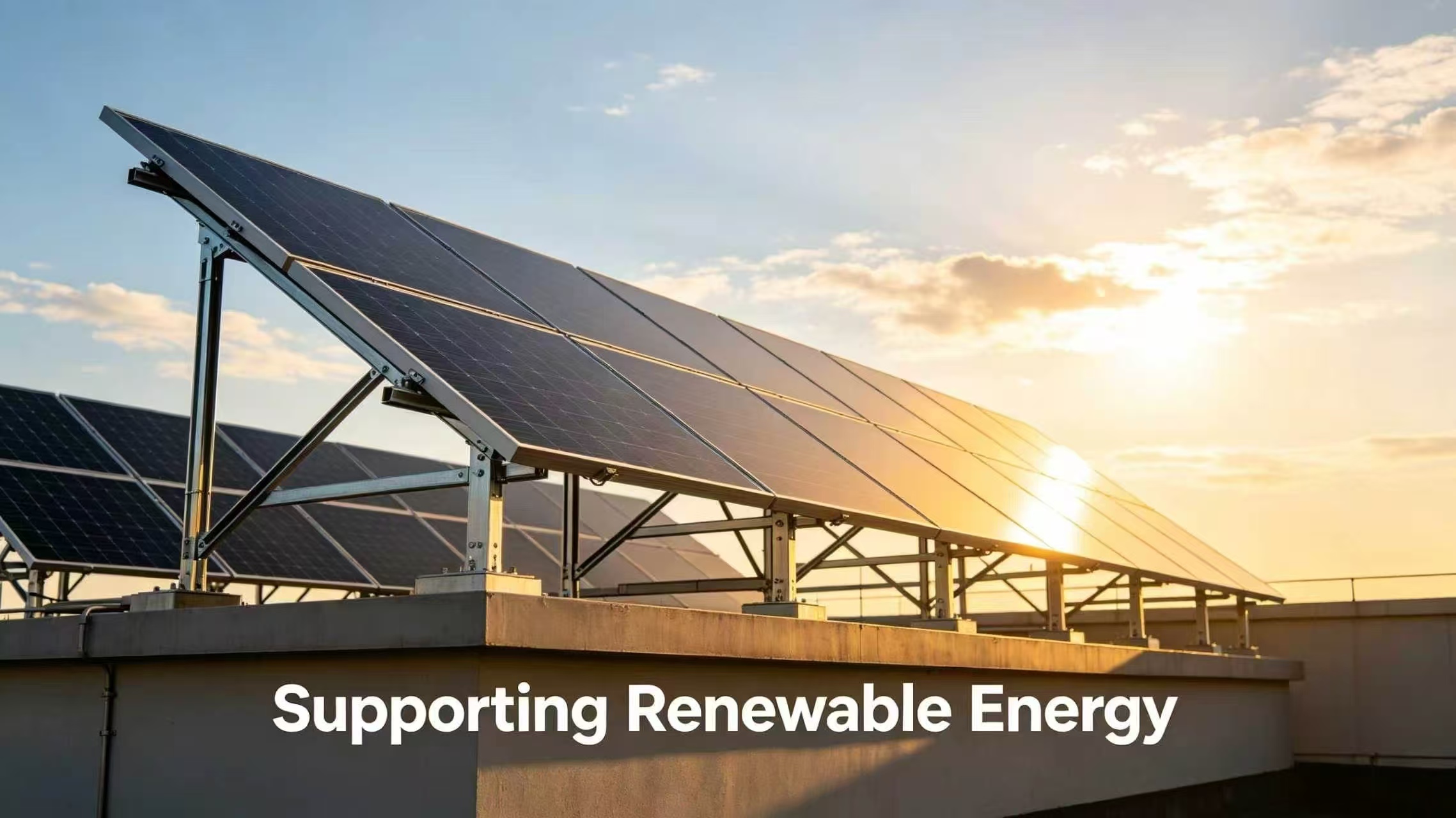
Aluminum profiles are an important support material for renewable energy systems, providing a reliable foundation for clean energy applications. In solar power generation, aluminum frames provide stable support for photovoltaic panels and are lightweight for easy installation and maintenance, helping to reduce energy consumption and building costs. In wind power, aluminum rotor structures and blades increase the efficiency and durability of wind turbines and reduce energy losses during operation. Extruded aluminum profiles support renewable energy and are an important material in the dual-track system of “energy efficiency + clean energy”, contributing to the global energy transition.
Aluminum's Role in Green Building Certification
A Strategic Material for Green Certification
The choice of materials plays an important role in international green building certification systems such as LEED and BREEAM, and aluminum profiles have become a strategic choice for certification programs due to their “infinite recyclability” and transparent environmental claims. Aluminum profiles have become a strategic choice for certified projects due to their “unlimited recyclability” and transparent environmental statements. They can help projects achieve high scores in core areas such as “Materials and Resources” and “Environmental Impact” and help projects achieve high levels of certification such as Gold and Platinum. The widespread use of aluminum windows, doors, curtain walls and structural components in many globally renowned green building projects is a direct testament to the applicability of the certification, and confirms the centrality of aluminum extrusions in sustainable construction.
LEED v4.1 EPD Certification
In LEED v4.1 certification, the EPD (Environmental Product Declaration) requirement under the “Materials and Resources” category is an important plus for aluminum extrusions. The certification requires building materials to transparently disclose their environmental impacts, with one point awarded for the use of at least 20 products with permanently installed EPDs. Aluminum profile manufacturers can help make it easy for construction projects to meet this requirement by developing standardized EPD reports detailing the environmental impact of their products throughout their lifecycle, providing stable support for certification points, and demonstrating the advantages of aluminum profiles in terms of environmental transparency.
Recycled Content Claim
LEED v4.1 has clear requirements for the recycled content of materials, and the high recycled content of aluminum extrusions makes it easy to meet these requirements. Recycled aluminum uses 95% less energy to produce than virgin aluminum, and building projects can earn credits by declaring the Pre-Consumer Recycled Content and Post-Consumer Recycled Content (ratios) in aluminum extrusions. In addition, locally sourcing aluminum profiles can reduce carbon emissions during transportation, which helps to earn regional priority credits, further increasing the certification pass rate and serving as an important endorsement of a project's green attributes.
Low Emission Advantage
Indoor environmental quality is one of the core components of green building certification, and aluminum profiles have a natural advantage in this regard. Aluminum does not emit volatile organic compounds (VOCs) and does not pollute indoor air. The electrostatic powder coating process used in the factory cures at high temperatures and is then degassed, ensuring better indoor air quality than wet paint applied on-site. This feature is ideally suited for LEED credits for “Low Emitting Materials”, which ensure a healthy indoor environment in buildings and is an important reference point for aluminum extrusions to be certified.
UK BREEAM Compatibility
The sustainable characteristics of aluminum profiles are highly compatible with the BREEAM certification standard, which focuses on the environmental impact, recycling and resource efficiency of materials throughout their lifecycle, while the unlimited recycling, low maintenance and energy saving advantages of aluminum profiles add to the project's score in several dimensions. Whether it is the recycling rate of the material, the control of energy consumption in the production process, or the energy-saving performance in the use phase, aluminum profiles can meet the strict requirements of the UK Building Performance Assessment System, and have become the material of choice for green building projects pursuing certification, highlighting their recognition in the international green building materials arena. Challenges and Considerations
Rising Energy Costs
Industrial aluminum profile manufacturing is an energy-intensive industry, with processes such as extrusion and anodizing consuming large amounts of electricity and natural gas. In recent years, soaring global energy prices have placed a heavy financial burden on manufacturers, leading to rising production costs and compressed profit margins. To meet this challenge, companies need to reduce energy dependence and cost pressures in their production processes by upgrading technology, optimizing energy management or switching to cleaner energy sources.
Raw Material Fluctuations
Aluminum is the core raw material for aluminum profiles, and its price fluctuates frequently due to global demand, supply chain disruptions, geopolitics and other factors. This uncertainty has a direct impact on manufacturers' production costs and profitability, creating challenges for production planning and pricing strategies. In addition, the shortage of high-quality aluminum scrap has further exacerbated the tight supply of raw materials and pushed up the production cost of recycled aluminum, putting companies under the dual pressure of “high raw material costs + unstable supply”.
Increased Market Competition
The global aluminum profile market is becoming increasingly competitive, with domestic and foreign manufacturers competing for market share. Under competitive pressure, enterprises need to offer more competitive prices while maintaining product quality to attract and retain customers. The popularity of e-commerce and digital platforms allows customers to easily compare product prices and specifications, and price sensitivity has increased dramatically. This requires manufacturers to respond to the challenges of market competition through scale production, supply chain optimization, product differentiation and innovation.
Labor Shortage
The extrusion and finishing processes in the aluminum extrusion industry require skilled workers with specialized skills. However, the current global shortage of skilled labor, coupled with the continued rise in labor costs, has created multiple problems for manufacturers. Labor shortages lead to longer production cycles and delayed order deliveries, while training new employees increases costs and reduces overall productivity, making it a major constraint to the industry's growth.
Tightening Environmental Regulations
Environmental regulations in the aluminum extrusion industry are becoming more stringent as global environmental awareness increases. Manufacturers need to invest in pollution control equipment, establish recycling programs and optimize waste management to meet compliance requirements. These environmental investments directly increase production costs, especially for small and medium-sized manufacturers, where compliance pressures and cost burdens are even heavier and they need to find a balance between “sustainable production” and “economic efficiency”.
Pressure for Technological Upgrading
Technological upgrades are key to improving efficiency and reducing costs in the aluminum extrusion industry, but they also pose significant challenges. Innovations such as automated production and advanced extrusion technologies require companies to invest heavily in equipment procurement, employee training and process optimization. Manufacturers need to accurately assess the ROI of technology upgrades and make trade-offs between “short-term investment costs” and “long-term efficiency gains”. For SMEs, the financial and risk pressures of technology upgrading are even greater, and industry cooperation and policy support are needed to promote technology transformation and sustainable development.
Conclusion
Aluminum extrusion has become a core material for sustainable buildings due to its advantages of infinite recycling, full-cycle energy saving, light weight and high strength, and design flexibility. It outperforms traditional materials, complies with international green certifications such as LEED/BREEAM, meets the functional and aesthetic needs of modern buildings, and is in line with the global trend of low-carbon development. Although the industry is facing challenges such as energy consumption and raw material fluctuations, through technological upgrading and environmental protection system improvement, aluminum profiles will play a more prominent role in sustainable buildings, leading green buildings to higher quality.
Henan Retop Industrial Co., Ltd. Will Be There Whenever Wherever Whatever You Need

 Comparison of Aluminum Profiles with Conventional Building Materials
 How Aluminum Profiles Improve Energy Efficiency