Henan Retop Industrial Co., Ltd

Position: Home > News

How to Choose the Best Aluminum Radiator for Optimal Engine Performance

Date:2026-05-13
View: 0 Point
Efficient heat dissipation is indispensable for stable engine operation, and aluminum radiators have become the preferred choice for vehicle owners due to their excellent performance. This guide will comprehensively dismantle the logic of choosing an aluminum radiator from basic knowledge, core advantages, key points of purchase to maintenance tips, helping you avoid misunderstandings and choose a quality product that fits your car model and improves engine performance.

What Is an Aluminum Radiator

The essence of an aluminum radiator is a heat exchange device, and the core working principle is to circulate the coolant to transfer the high temperature generated by engine operation to the heat sink. The heat sink then comes into contact with the air and quickly radiates the heat to maintain the normal operating temperature of the engine.
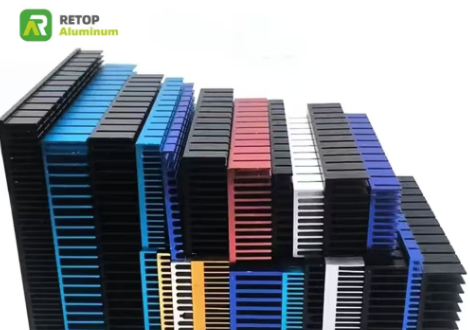
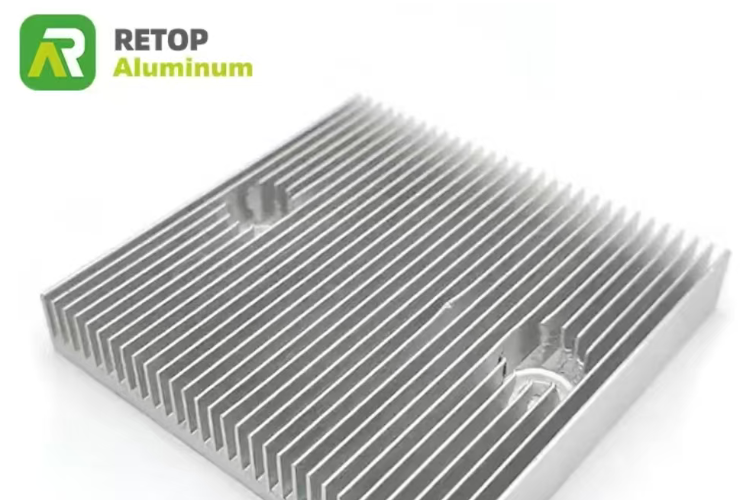
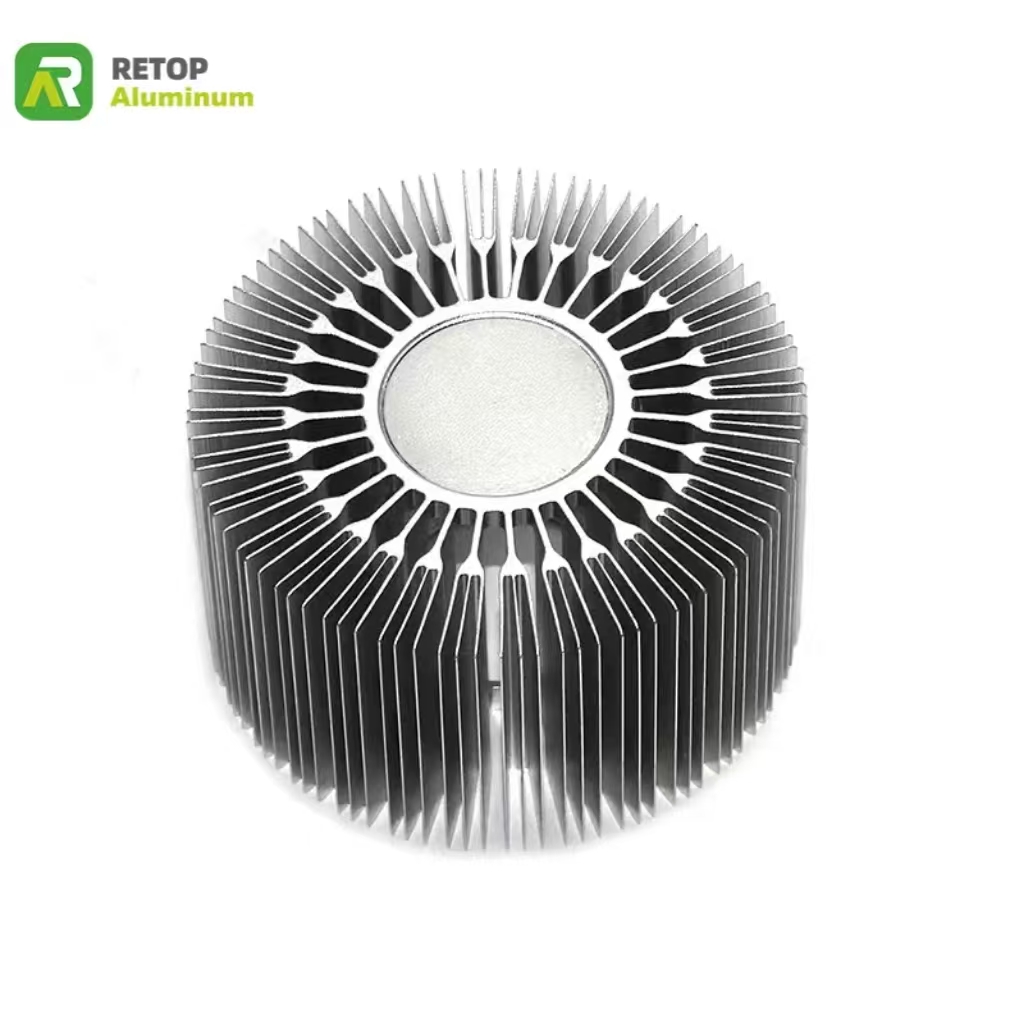
Its core material is aluminum profile, using extrusion molding process manufacturing, heat sink design variety, common sunflower-shaped, comb-shaped, fin-shaped and so on. These special shapes can maximize the heat dissipation area, enhance air convection efficiency, and strengthen the heat dissipation effect.
Aluminum heat sinks are used in a wide range of applications, including automotive, industrial equipment, electronic equipment and other fields. Among them, automotive engine cooling is its most core application scenario, which directly affects the driving safety and service life of the vehicle.

Why Aluminum Radiators Are So Popular

Superior Heat Dissipation

Superior heat dissipation is a core benefit of aluminum radiators. Aluminum has a thermal conductivity that far exceeds that of most metals other than copper, allowing it to quickly transfer heat from the coolant. This property allows the engine to maintain a constant temperature even during intensive operation, significantly reducing the risk of failure due to overheating.

Lightweight Design

Lightweight design adds to vehicle performance. Compared with traditional copper and brass radiators, aluminum radiators can reduce weight by more than 30%. Lightweight not only improves fuel efficiency, but also reduces body loads and optimizes the overall handling experience.

High Corrosion Cesistance

Aluminum surface will naturally form a dense oxidized protective film, which can effectively resist the erosion of moisture and chemicals. This reduces corrosion loss even in wet or complex conditions, extending the life of the radiator and reducing maintenance frequency.

Robustness and Durability

Although lightweight, aluminum radiators are structurally strong and can withstand high pressures and extreme temperatures. Whether it is a long-distance driving of heavy trucks or high-intensity competition of racing cars, the aluminum radiator can stably play the role of heat dissipation and is suitable for all kinds of harsh working conditions.

Cost-effective

Cost-effective is a key factor in the popularity of aluminum radiators. The raw materials and manufacturing costs of aluminum are lower than those of copper and brass. Aluminum is an economical choice for both vehicle owners and manufacturers because of its durability, which reduces the cost of subsequent repairs and replacements.

Design Flexibility

Aluminum is malleable, easy to machine and form, and can be customized in size, structure and installation to meet the cooling needs of different vehicles and equipment. From compact cars to large industrial machinery, you can find a suitable aluminum radiator product.

Environmentally Sustainable

Environmental sustainability is an important highlight of aluminum radiators. Aluminum is 100% recyclable and can be re-melted and processed for recycling after the end of life. This feature not only reduces the waste of resources, but also meets the current green development of environmental protection concept.

Factors to Consider When Choosing an Aluminum Radiator
Core Design

Core design has a direct impact on heat dissipation efficiency. Priority should be given to radiator cores with multi-row or double-pass structure. This type of design can increase the contact area between the coolant and the heat sink, speed up the heat exchange rate, and better meet the cooling needs of different power engines.

Heat Sink Design

The design of the heat sink needs to take into account the density and ventilation, high-quality heat sinks should have a reasonable arrangement of density, not only to ensure that the heat dissipation area, but also does not impede airflow. At the same time, the smooth airflow channel allows cold air to pass through the heat sink quickly, further strengthening the cooling effect.

Material Quality

The quality of the material determines the durability and heat dissipation performance of the radiator. Not all aluminum materials are suitable for manufacturing radiators. Priority should be given to aluminum alloy formulations designed for heat dissipation and corrosion resistance, which can avoid the shortcomings of ordinary aluminum materials that are prone to deformation and corrosion.

Suitability

Adaptability is the basic premise of the purchase, you need to strictly match the brand and model of the vehicle, in advance to confirm the installation size of the radiator, hose interface specifications and fixed bracket position. If the size or interface does not match, not only can not be installed, but also may cause cooling system failure.

Coolant Compatibility

Coolant compatibility is easy to ignore, different types of coolant composition varies greatly, some of the coolant may have a chemical reaction with the aluminum material. When choosing a coolant, you need to verify the type of coolant supported by the radiator in advance to avoid internal corrosion or heat dissipation failure due to incompatibility.

Warranty Service

Warranty service is an important guarantee of product quality, it is recommended to choose a brand that provides at least 1 year warranty. A comprehensive warranty policy not only reflects the manufacturer's confidence in the product, but also provides owners with timely repair or replacement services when problems arise during use.

Types of Radiator Cores

Tube and Fin Radiators

Tube & Fin Radiator is a traditional and classic core type, which is made up of multiple sets of fins and tubes, and has a simple and mature structure. Its heat dissipation effect can meet the daily driving needs of ordinary family cars, with low maintenance costs, and is one of the most common types of radiators on the market.

Brazed Aluminum Radiator

Brazed aluminum radiator adopts professional brazing process to closely connect the aluminum heat sink with pipes, forming a strong and lightweight core structure. This design is more efficient in heat dissipation and lighter in weight, and is commonly used in high-performance cars, racing cars, and luxury models, which can be adapted to high-intensity driving conditions.

Plate-Fin Radiator

Plate-fin radiators utilize flat plates as carriers, and the coolant flows in the channels between the plates, dramatically increasing the heat dissipation area. At the same time, the compact structural design makes the radiator smaller in size, making it suitable for scenarios where installation space is limited but heat dissipation is in high demand, such as racing cars and heavy-duty trucks.

Downflow Radiator

Downflow radiators are designed with a vertical structure. After the coolant enters the core from the top, it flows naturally from top to bottom to complete the heat exchange. This type of radiator is suitable for vintage cars, older models, and other vehicles with lower heat dissipation requirements, and the mounting method is more in line with the design of traditional models.

Cross-flow Radiator

Cross-flow radiatorThe coolant of the cross-flow radiator flows horizontally, which is more efficient than the down-flow design and can quickly remove a large amount of heat generated by the engine. Because of its excellent heat dissipation performance, it is often used in racing cars and high-performance vehicles to meet the cooling needs of high-intensity operation.

Aluminum vs. Copper Radiators

Material and Construction

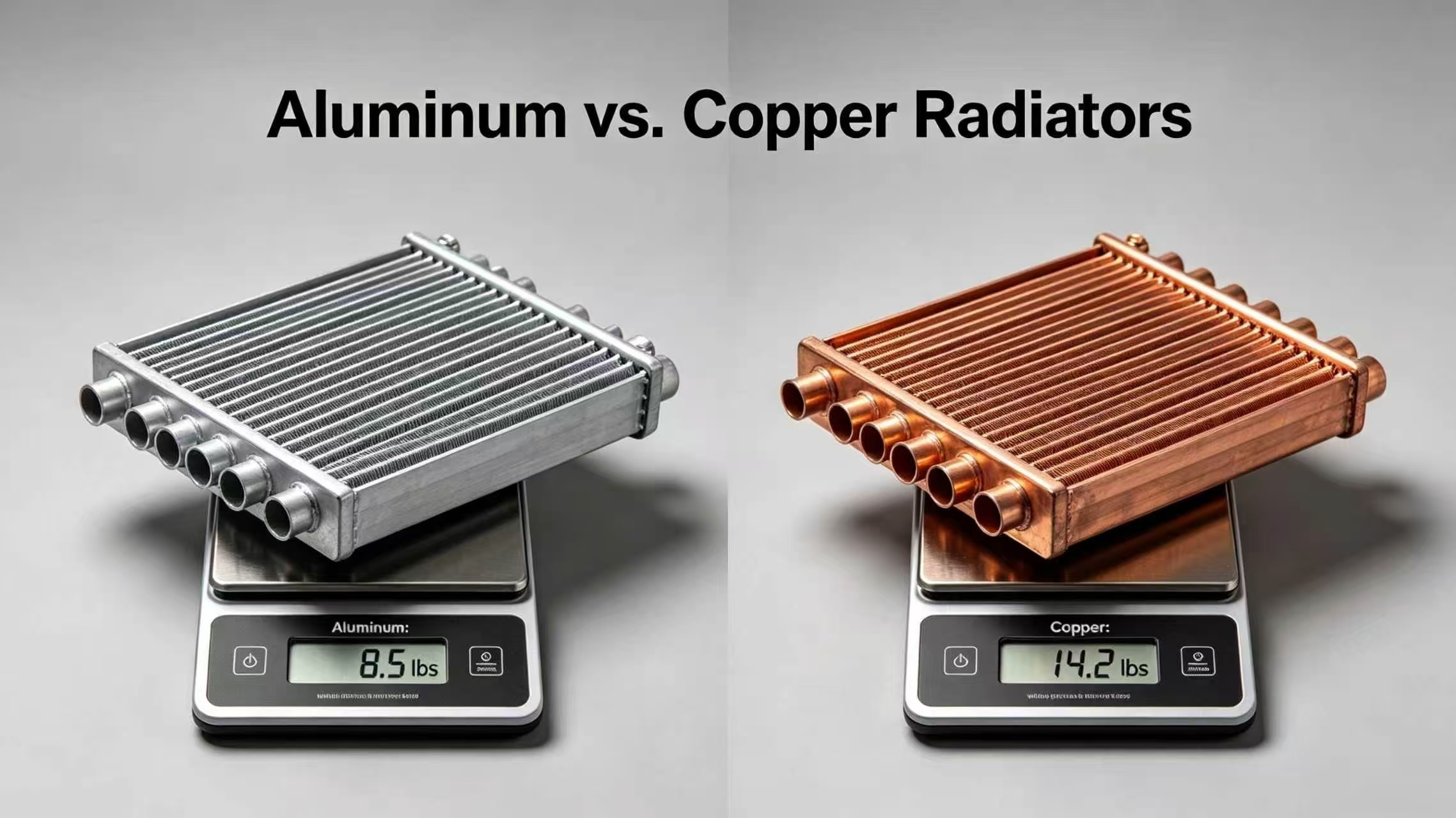
There is a clear difference in materials and construction. Copper radiators are usually made of alloys such as brass and lead, with thin pipes and a relatively heavy core. Aluminum radiators, on the other hand, have wider piping, and often use an all-aluminum core or steel alloy combination, making the overall structure lighter and more compact.

Heat Dissipation Performance

Thermal performance has its own advantages and disadvantages, the basic thermal conductivity of copper is indeed better than aluminum, but copper radiators in the soldering process of the use of tin-lead alloy layer, will reduce the overall heat transfer efficiency. Aluminum radiators, on the other hand, achieve more uniform heat dissipation through optimized structural design and more stable cooling effect in actual use.

Weight and Installation

There is a significant difference between weight and installation difficulty. Aluminum radiators are 30-40% lighter than copper radiators, which not only reduces the overall load on the vehicle, but also makes the installation process easier. Copper radiators are heavier, require more labor to install, and can put additional stress on the vehicle's suspension.

Durability and Maintenance

Durability and maintenance needs are different. Copper radiators are stronger, but oxidize and rust easily with long-term use, requiring regular paint protection and cleaning. Aluminum radiators come with an oxidized protective film, which is more resistant to corrosion and requires less routine maintenance, but it is slightly more difficult to repair damage than copper radiators.

Cost and Environmental Protection

Cost and environmental gap is obvious, copper raw material prices are much higher than aluminum, resulting in higher manufacturing costs and selling prices of copper radiators. Aluminum radiators not only cost less, but also consume less energy in the production process and are 100% recyclable, making them more cost-effective and environmentally friendly.

Aluminum Radiator Repair and Leak Procedures
Regular Coolant Changes

Regular coolant replacement is a basic maintenance measure that should be performed at the vehicle manufacturer's recommended intervals. Even if the coolant appears to be clear, the protective additives within the coolant will deplete over time, and if not replaced in a timely manner, it can lead to corrosion and leakage inside the radiator.
The coolant level needs to be monitored at all times. During daily driving, keep an eye on the water temperature gauge on the vehicle's dashboard; if the water temperature fluctuates from “high - normal - high again”, the coolant level may be too low. Low fluid level will form a gas blockage in the cooling system, triggering engine overheating, which will cause engine damage in severe cases, and require timely replenishment of coolant and leakage check.

Epoxy Resin Crack Treatment

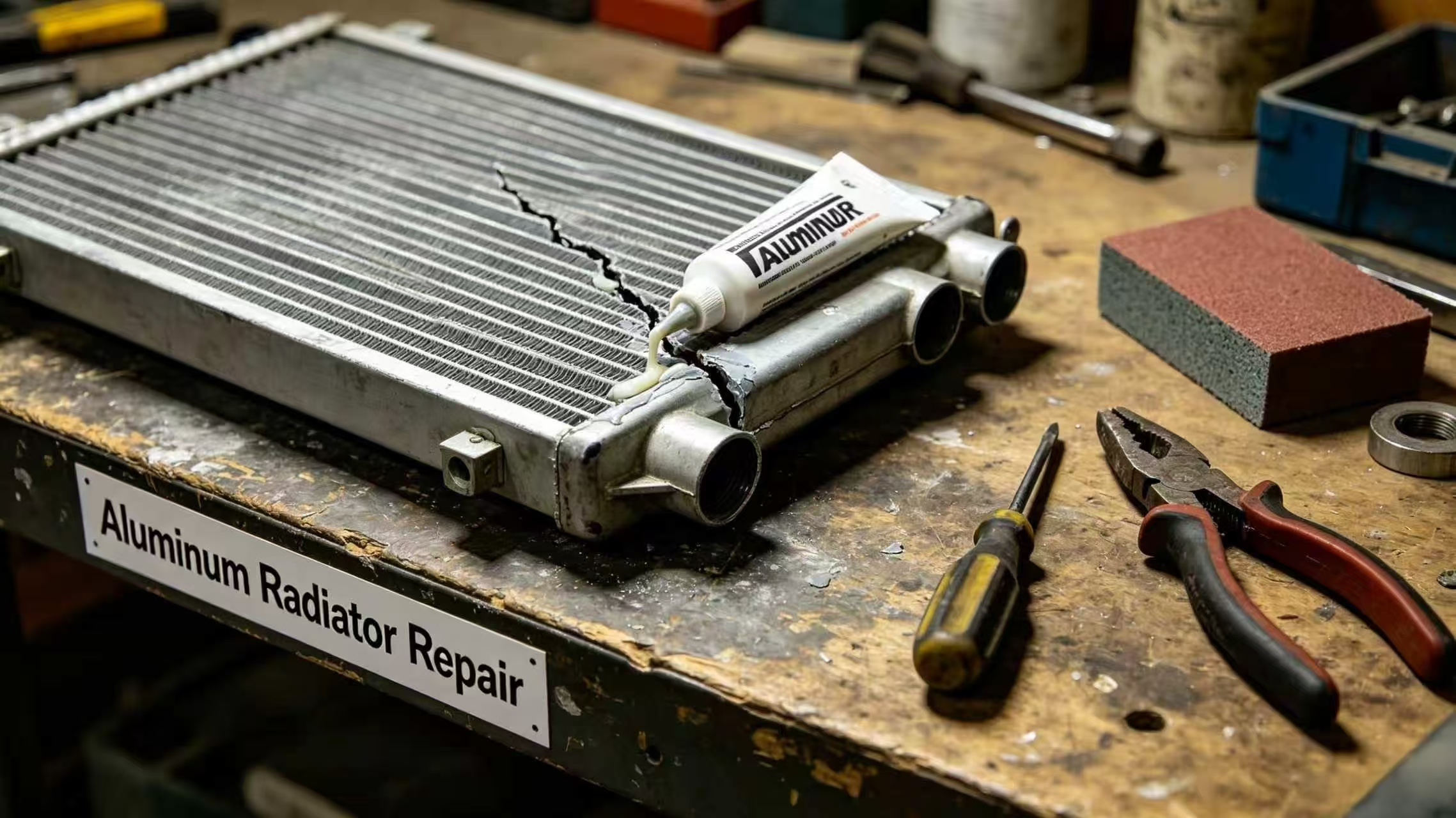
Epoxy resin cracks are mostly found in the connection between pipes and headers, and such cracks may lead to coolant leakage. If it is only a slight leakage, you can try to use the special stop leakage agent for aluminum radiators for temporary repair; if the cracks are large or the epoxy resin is peeled off in a large area, it is recommended to replace the radiators directly to avoid leakage again after repair.

Plastic Box Crack Repair

Cracks in the plastic case is a common failure, especially at the back side of the liquid inlet, due to long-term high temperature baking, the plastic material is prone to aging and cracking. This kind of crack repair is very difficult, DIY repair success rate is low, the most secure way is to replace the plastic case or directly replace the whole set of radiator.

Gasket Leakage

Gasket leakage occurs at the connection between the plastic case and the aluminum core. Due to long-term vibration or improper installation, the case clamps may loosen, resulting in coolant leakage. You can first try to use the stop leakage agent, if it is not effective, use the vise to press the clamp evenly, pay attention to the pressure to be moderate, avoid over squeezing resulting in coolant leakage.
If this is not effective, use a vise to press the clamp evenly, paying attention to the pressure to be moderate, avoiding over-squeezing resulting in damage to the case, and ensuring that the case and the gasket are tightly adhered to.

Hole Repair

For the aluminum radiator on the slight hole, can be dealt with through professional repair methods, commonly used aluminum radiator epoxy resin, welding repair. Before repairing, you need to clean around the hole, make sure the surface is dry and free of oil and dirt, and construct in strict accordance with the operation instructions of the repair material to ensure the repair effect.

Prevent Electrolytic Corrosion

Electrolytic corrosion is the invisible killer of the cooling system, which refers to the flow of electric current in the cooling system, gradually eroding the metal material. If you find that the radiator is corroded and broken for unknown reasons, you need to check the grounding of the cooling system and repair the circuit failure in time. If the electrolysis problem is not solved, even if the radiator is replaced with a new one, it will be damaged quickly.

Common Mistakes to Avoid When Buying an Aluminum Radiator

Neglecting the Fit of the Car Model

Many car owners only rely on the appearance or size of the general judgment, did not carefully check the installation space, interface specifications. This can result in the radiator not fitting properly or interfering with other parts after installation, affecting the normal operation of the cooling system.

Only Look at the Price

Only the price for the purchase standard is not desirable, low-priced aluminum radiator often use poor quality aluminum alloy material, wall thickness is too thin, the heat sink design is rough. These products are not only poor cooling effect, but also prone to leakage, deformation and other problems, the subsequent maintenance costs are higher.

Neglect the Core Thickness

Neglect the core thickness will affect the cooling effect, the core thickness is positively correlated with the cooling capacity, but not the thicker the better. Need to choose according to the engine power and engine compartment space, if the core is too thick, it may not be able to install; if it is too thin, it will not meet the cooling needs.

Failure to Pay Attention to Fan Compatibility

Failure to pay attention to fan compatibility will lead to a decline in the efficiency of the cooling system, the cooling effect of the radiator needs to be assisted by the fan, you need to confirm that the radiator and the original fan or upgrade the fan mounting position, speed matching. Lack of corresponding mounting bracket or incompatible fan speed will significantly reduce the cooling efficiency.

Non-professional Installation

Skipping professional installation is a safety hazard. DIY installation by inexperienced people may result in problems such as poor sealing of interfaces, twisting of piping, and poor fixing. These problems can lead to coolant leakage, air blockage and other faults, it is recommended to be installed and debugged by a professional technician.

Using the Wrong Coolant

The use of incompatible coolant will accelerate the radiator damage, different brands, types of coolant composition is different, mixing or use of low-quality coolant, will destroy the oxidation of the aluminum radiator protective film, triggering internal corrosion, reduce cooling efficiency, shorten service life.

Neglect of Routine Maintenance

Neglect of routine maintenance will make the quality radiator early failure, even if the outstanding performance of the aluminum radiator, but also need to regularly clean the surface of the heat sink dust, debris, according to the cycle of replacement of coolant.
Long-term non-maintenance will lead to heat sink clogging, internal corrosion, affecting the cooling effect.

How to Identify the Best Aluminum Radiators

Power Rer Section

The power per section is the core performance indicator. Quality products will clearly label the power rating (W) of each section of the radiator, and the test conditions should be detailed. In addition to the common ΔT 60 or 50 conditions, you should also pay attention to the performance data under the low temperature difference (ΔT) conditions of the adapted heat pump system, so as to ensure stable heat dissipation in different scenarios.

Working Pressure

Working pressure reflects the strength of the structure. The normal working pressure of a domestic or car cooling system is 6-10 bar, and a high-quality aluminum radiator should be able to withstand this pressure range with ease. The higher the working pressure rating, the more reliable the radiator's structural design and material strength, and the more suitable it is for more demanding environments.

Material and Wall Thickness

Material and wall thickness directly affect the quality of the product, you need to choose a radiator with good alloy quality and uniform wall thickness. It can be judged by the weight and appearance of the product, too light or low-priced products are often insufficient wall thickness, easy to deform and leakage in long-term use; while high-quality products have moderate wall thickness and a solid feel.

Anti-corrosion Treatment

Anti-corrosion treatment is the key to prolonging the service life, need to check whether the radiator has internal protective coating, whether the external paint surface is smooth and even, no scratches. At the same time, it is necessary to confirm whether the product is suitable for mixed material systems (such as coexisting with copper and steel components) to avoid corrosion due to material interaction.

Certification Standards

Certification standards are an important guarantee of quality. Prefer products that comply with European standards such as EN 442. These certifications require rigorous performance tests and safety inspections to ensure that the actual heat dissipation effect of the radiator is consistent with the labeling and meets the requirements for safe use.

Conclusion

Choosing a high-quality aluminum radiator is the key to improving engine performance and extending vehicle life. It is necessary to take into account the needs of the vehicle model, core structure, material quality and other core factors, to avoid purchasing mistakes, as well as to do a good job of routine maintenance. By following the selection logic in this guide, you can not only give full play to the lightweight and efficient heat dissipation advantages of aluminum radiators, but also achieve a balance between cost-effectiveness and practicality, so that the engine is always in the best running condition.
 
Henan Retop Industrial Co., Ltd. Will Be There Whenever Wherever Whatever You Need
You Are Welcome to : phone call, Message, Wechat, Email& Seaching us, etc.
Email: sales@retop-industry.com
Whatsapp/Phone: 0086-15537183797
Share us:
Related products

Aluminium louver profile for building facades

Material:Aluminum alloy
Price:USD 2.9-3.4/kg
Packing:PE bag and carton
Casement 36 Series

Casement 36 For Window Aluminium Profile

Material:6063/6082/6061 Aluminium
Temper:T5/T6
Thickness:0.4mm-1.5mm/Customized
Mauritius Construction Aluminium Extrusion

Mauritius Construction Aluminium Extrusion

Material: 6063/6082/6061 Aluminium
Temper:T5/T6
Thickness:0.4mm-1.5mm/Customized