Complete Engineering Guide to Aluminum Louver Window
Date:2026-04-30
View: 4191 Point
With the advantages of light weight, corrosion resistance and multi-purpose, aluminum shutters are widely used in building ventilation, sun shading and decoration. This paper systematically introduces its classification, selection, design, testing, installation and maintenance, to provide reference for all aspects of the project to adapt to different building needs.
What Are Aluminum Louvers?
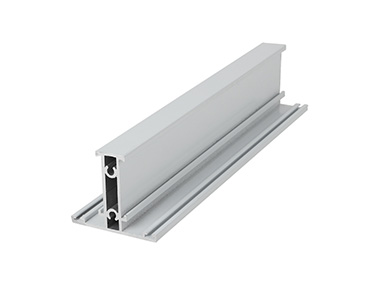
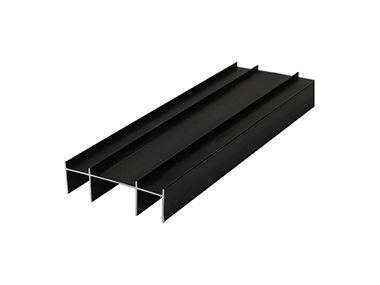
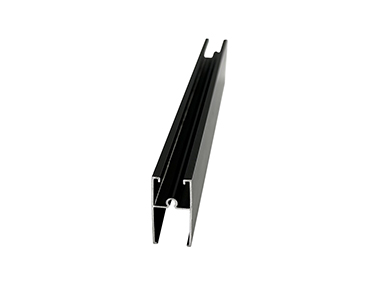
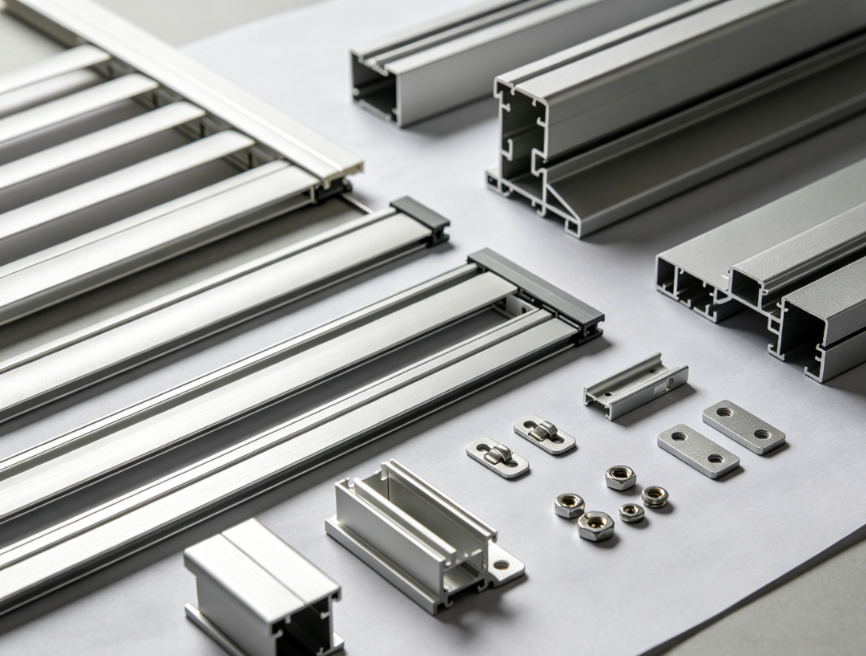
Aluminum shutters are windows or vents made of aluminum alloy equipped with multiple adjustable or fixed blades for controlling light, airflow and privacy. Their main components include blades, frames and adjustable fittings. The blades can be fixed or angled to manage airflow and light entry and come in a variety of sizes and shapes such as flat, curved or corrugated. Aluminum frames are lightweight but strong, providing stable support for a variety of installation scenarios such as windows, vents or wall openings. Some aluminum blinds are manually or electrically adjustable, allowing the user to change the blade angle with a lever, button or remote control. Aluminum shutters are both functional and aesthetically pleasing, adding a modern touch to all types of spaces while improving ventilation and light control. They are a practical choice for enhancing comfort and decoration in both residential and commercial buildings.
Different Types of Aluminum Louvers for Various Applications
Fixed Aluminum Shutters
Fixed aluminum shutters keep their blades in a fixed position and are suitable for scenes that require continuous ventilation or sunshade without frequent adjustments. Its application scene is wide, in the field of industrial construction, suitable for ventilation needs stable, environmental conditions do not change much of the plant, warehouse, etc.; in commercial and residential buildings, it is often used in permanent sunshade, for the building facade to provide continuous protection from the sun. The advantages of this type of aluminum shutter are significant, due to the absence of moving parts, low maintenance costs, no need for frequent overhaul and maintenance; simple design, manufacturing costs are lower than the adjustable type, cost-effective; at the same time, it has excellent weather resistance and corrosion resistance, durability, and long service life.
Adjustable aluminum shutters
Adjustable aluminum shutters can be manually or automatically adjusted blade angle, flexible response to changes in light, airflow and shading needs. It can regulate lighting and ventilation in residential homes, optimize energy consumption in commercial spaces, and be used in HVAC systems for fine adjustment of airflow pressure. The advantages of this type of shutter are significant, it is highly flexible, can be customized according to the ventilation and lighting effect, to enhance the comfort of use; energy efficient, through the adjustment of the position of the blade, to reduce the energy consumption of air conditioning and heating systems; and decorative good, simple and modern appearance, can enhance the aesthetics of the building facade.
Curved Aluminum Shutters
Curved aluminum shutters adopt a unique curved design, which can fit the contour of the building and enhance the aesthetics of the design while maintaining functionality. They are used in a wide range of application scenarios. In the field of modern architecture, they are often used in the modern style design of commercial buildings and large-scale residences; in the glass structure, they can provide shading for atriums, windows and other glass areas to reduce heat absorption while maintaining visual permeability. The advantages of curved aluminum shutters are significant, it has smooth lines and a modern sense, highly compatible with modern architectural style, to achieve aesthetic enhancement; in the decorative at the same time, it also has practical functions such as shading, ventilation and energy saving; and can be customized according to the needs of the architectural design of the curvature and size, customization is strong, adaptability is good.
Vertical aluminum shutters
Vertical aluminum shutters use vertical arrangement of blades, both aesthetic and practical. They are widely used in commercial, residential and special areas to meet the needs of different scenarios by virtue of their excellent sunshading, decoration and durability. Vertical aluminum blinds with vertically arranged blades are designed with both fashionable appearance and practical functions, which can effectively optimize airflow and shading effect, and flexibly cope with different angles of sunlight. Its application scenarios are diversified: in commercial buildings, high-rise glass curtain wall office buildings use it to control light and heat insulation, and ensure lighting; in residential buildings, it is used to enhance the privacy of the external wall and block the sun; parking lots and equipment rooms can also use it to achieve a balance between ventilation and aesthetics. The shutter has outstanding advantages: the vertical blades precisely block the east-west sunlight, which is suitable for the building façade and highly efficient in shading; the modern and simple shape can enhance the decorative properties of commercial and residential buildings; and the high-quality aluminum alloy material gives it strong corrosion resistance, which can be adapted to the outdoor environment for a long period of time and is durable.
2.5 Special purpose aluminum shutters
Ventilated aluminum shutters
Designed to optimize airflow and prevent rain and debris from entering while ensuring continuous ventilation. Application scenarios: Industrial facilities (warehouses, factories), HVAC systems, equipment rooms and utility spaces, areas where airflow needs to be controlled.
Sound insulation type aluminum shutters
The core of the design is to reduce the spread of noise and ensure air circulation at the same time. It is suitable for ventilation scenarios that require noise reduction. Application scenarios: airports, transportation hubs, industrial plants, street-facing buildings and other areas with serious noise pollution.
Sun-shading aluminum shutters
Accurately control the amount of incoming sunlight, block excessive heat, while retaining natural light to enhance the building's energy-saving efficiency. Application scenarios: commercial office buildings and offices, reducing cooling load and glare; green building design, helping to realize energy-saving goals.
Storm-resistant aluminum shutters
Can withstand extreme weather such as heavy rain and strong winds, while maintaining the ventilation function, suitable for harsh climatic environments. Application Scenario: Coastal buildings, high-rise buildings, parking lots and other exposed structures.
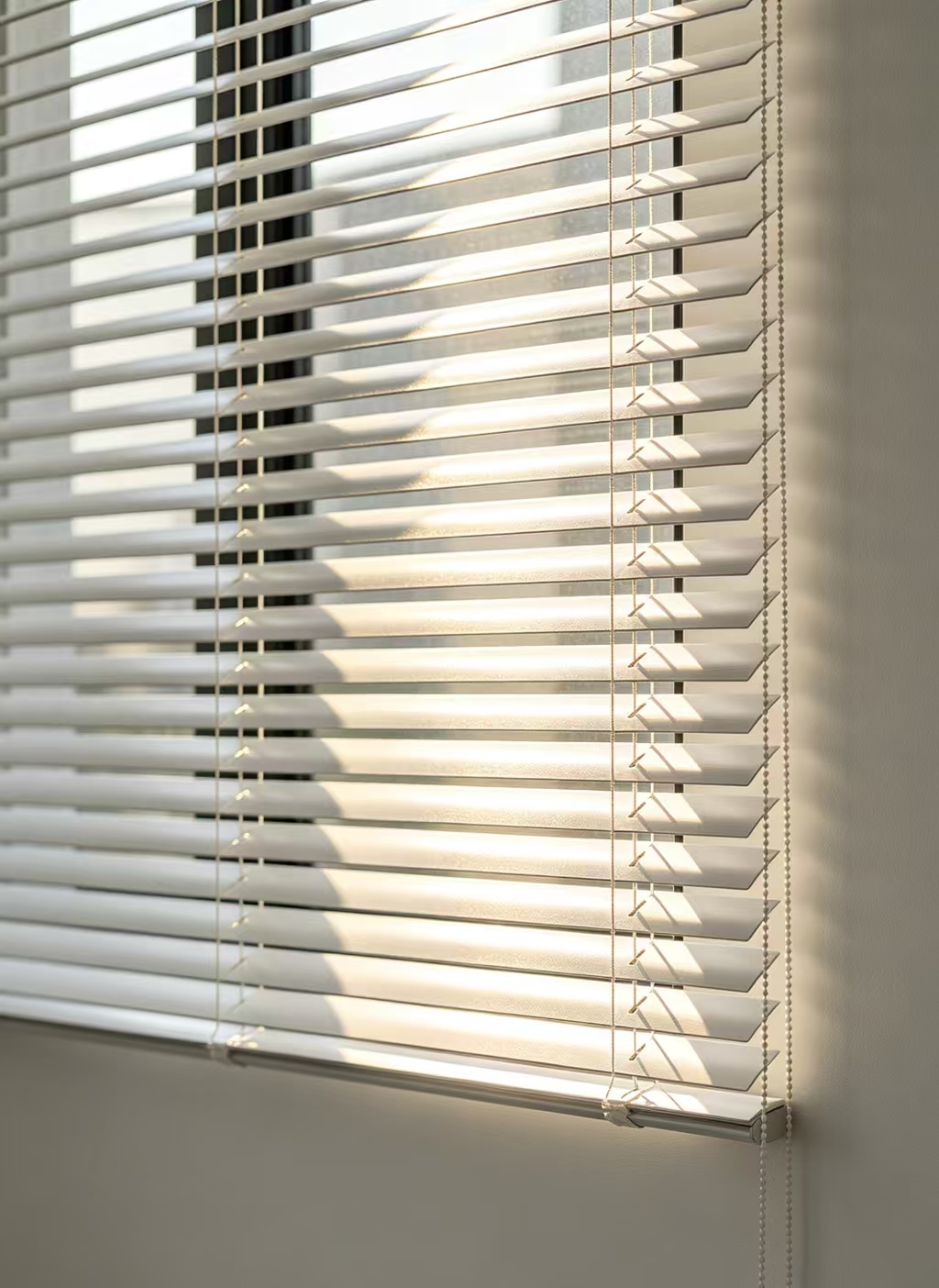
How to Choose the Right Aluminum Louver
Defining the need for protection
The first step in selecting aluminum shutters is to identify the foreign objects that need to be blocked from entering the interior of the building through airflow.
Waterproofing needs
If it is necessary to prevent rainwater infiltration, it is recommended to choose blade-type shutters with drainage grooves. The water-collecting grooves designed for such blades can collect rainwater separated from the airflow, and guide the rainwater to the bottom of the discharge through the special channel of the frame's side columns, which effectively avoids the rainwater being sucked back to the interior of the building by the airflow from the lower blades after it flows down along the front of the shutters.
Demand for dust and sand prevention
In a dusty and sandy environment, it is appropriate to use sand-proof shutters. Its blade adopts special overlapping design, when installed vertically, it can capture particles and make them slide down along the blade to be discharged, but the special structure will cause a large wind pressure loss, which needs to be combined with the comprehensive consideration of fan parameters when selecting the type.
Demand for filtering fine particles
Anti-sand shutters can only filter large particles of impurities, if you need to remove fine particles, you need to match the filter. The filter's ability to capture dust is measured by the MERV rating. The inlet filter should be inspected regularly and the filter element that accumulates too much dust should be replaced in a timely manner. It is recommended that a pressure gauge be installed in the filter box to accurately determine the timing of replacement.
Anti-mosquito and bird requirements
To prevent mosquitoes and birds from entering through the shutters, wire mesh can be added to the back of the shutters. The best choice is woven metal mesh with rounded wires that minimize wind pressure loss.
Determining blinds properties
Material selection
Industrial shutters are primarily made of aluminum alloy or galvanized steel; stainless steel may be required in extreme environments. The advantages of aluminum alloy are easy to form, blade design is more conducive to waterproof; lighter weight, better anti-corrosion performance; can be sprayed any color or anodized. Taken together, aluminum alloy is the more recommended material choice.
Depth selection
The common depths of industrial blinds are 4 inches (about 10 cm) and 6 inches (about 15 cm). The main advantage of the 6-inch depth is that the ventilation area is larger, and the wind pressure loss is smaller under the same wind speed; at the same time, the waterproof critical wind speed is higher, and the waterproof performance is better. If there is no installation depth limitation, it is recommended to give priority to the 6-inch depth blinds.
Blade type selection
Shutters are primarily fixed blade, but adjustable blade options are also available. The advantage of adjustable blades is that they can be fully closed to prevent rainwater infiltration during extreme weather or to retain indoor heat during the winter months. The disadvantage is that they are more costly, and if the user has no special requirements, fixed-blade shutters are a more economical choice.
Louvered Windows Design: Exploring the Key Components
Louver specifications (width and thickness)
The width and thickness of louvers are not only physical measurements, they determine the performance and style of the window. Lighting and Ventilation: the greater the width, the more significant the shading effect, while still ensuring adequate airflow. Weather resistance: the greater the thickness, the stronger the structure, the better it can withstand strong winds, heavy rain and other harsh environments, extending its service life. Aesthetics: Wide blades present a modern and atmospheric visual effect, while narrow blades are more refined and traditional. Structural requirements: wider or thicker blades weigh more and require a stronger support system, affecting the overall structural design.
Blade length
The length of louvers (the distance between the ends of the blades) and their maximum span directly affect the functionality, aesthetics and practicality of the louver system. Coverage and protection: the longer the length, the larger the area covered by a single blade, and the wider the range of shading and protection. Customized Adaptation: The length can be adjusted according to the size of the outdoor space to achieve accurate coverage. Structural Integrity: Longer blades require additional support for stability, especially in windy or snowy areas. Aesthetics and Views: Longer blades provide an open view of the sky when open, enhancing the sense of connection to the outdoors; shorter blades create a unique interplay of light and shadow, enhancing the decorative aspect. Design Efficiency: Maximum blade lengths can be utilized to reduce the number of louvers, resulting in a cleaner design while reducing material and installation costs. Flexibility: Customized lengths allow adaptation to special architectural structures, optimize daylight utilization, and meet diversified design needs.
Safety performance testing of aluminum louvers: Critical data
Aluminum shutters as a key component in the building with both protective and decorative functions, its safety performance is directly related to the user's safety and the overall stability of the building. Before being put into use, it must undergo a series of strict safety tests, and the key data derived from the tests are the core indicators for measuring the reliability of the product.
Wind load test data
Wind load test data is the core indicator for assessing the stability of aluminum shutters in outdoor environments. Wind loads vary significantly depending on the height and installation location of the building. During the test, aluminum shutters are subjected to simulated wind pressures of different intensities and the deformation under the maximum wind pressure is recorded. Standard requirements: Aluminum shutters for high-rise buildings must withstand a wind pressure of at least 2.4kPa (equivalent to a Class 10 wind load), and the amount of deformation must not exceed 1/200 of the span of the member. Significance of the data: If the deformation exceeds the standard, it may lead to loosening of the structure, and this data directly determines whether the aluminum shutters can keep the structure intact in strong winds and avoid falling off and damage.
Impact resistance test data
The impact resistance test data reflects the ability of aluminum shutters to withstand accidental impacts. In the shopping mall terrace, school corridors and other crowded areas, aluminum shutters may face collision, leaning and other external forces. In the test, the specified weight of the impactor will fall from a specific height, simulating the impact of the human body, and recording the maximum impact strength and the degree of damage after the impact. Standard Requirements: According to national standards, aluminum shutters need to withstand a lateral impact force of not less than 1.5kN (equivalent to the impact of a 150kg object), and must not be broken, loose and other damage affecting safety, and the displacement of the joints must be controlled within 5mm. Significance of the data: to ensure that when an accidental impact occurs, the shutter can still maintain the protective function and effectively protect the safety of personnel.
Corrosion resistance test data
Corrosion resistance test data is crucial to the service life and long-term safety of aluminum shutters. In the humid southern region, coastal high salt spray environment or corrosive gases in industrial areas, aluminum shutters are prone to surface oxidation and structural corrosion. During testing, samples are placed in a salt spray chamber to simulate a coastal salt spray environment, or in an acidic or alkaline environment for accelerated corrosion testing to record surface coating integrity, substrate corrosion and changes in mechanical properties. Standard requirements: after 2000 hours of salt spray test, the surface coating of high-quality aluminum shutters should be no obvious peeling, blistering, substrate corrosion area of no more than 5%, the tensile strength drop rate is controlled within 10%. Significance of the data: directly reflecting the weather resistance of the product, determining whether it can maintain long-term structural strength in complex environments, and reducing safety hazards caused by corrosion.
Connection point strength test data
Connection point strength test data is also critical, the connection between the blades and between the blades and the building structure is firm, which directly affects the stability of the overall structure. In the test, tensile testing of connecting bolts, buckles and other accessories is required to record their maximum load-bearing capacity and signs of damage such as thread stripping and fracture. Standard requirements: For example, the bolts fixing the blades should be able to withstand a tensile force of not less than 8kN (equivalent to a load of about 800kg) and remain locked after repeated stresses. Significance of the data: Ensure that the connection point will not loosen under long-term use and external force, so as to avoid safety accidents such as falling off and deformation of the blade.
Installing the Aluminium Louvres
Preparation for installation
Prior to installation, it is necessary to ensure that the frame structure is clean and free of debris to ensure a strong and durable installation. If necessary, sealant can be applied to the frame to prevent moisture penetration.
Selection of fixing method
Fixing methods need to be determined according to the type of blinds and frame material, common methods are as follows: Screw fixing: applicable to wood or metal frame, need to choose the length and thickness of the screws to match the installation scene. Bolt fixing: used for shutters with higher weight or scenes requiring stronger connection strength, the bolt needs to be adapted to the frame material and shutter panel. Snap fixing: Some shutter systems are equipped with special snap or bracket, which is easy to install and has a solid fixing effect.
Alignment and leveling
Alignment and leveling of shutters is the key to ensure the installation effect, which directly affects the appearance and use of the function. Use a level meter to check whether the horizontal and vertical directions of the shutters are level, any deviation may affect their aesthetics and practicality.
Step-by-step installation guide
Marking the installation position
Use a high-precision steel tape measure to accurately measure the installation position of the shutters, and use a level meter to assist in calibration to ensure that the marking points are in the same horizontal reference plane. Each marking point should be strictly aligned with the coordinates of the design drawings, and the error should be controlled within ±1mm, so as to build a high-precision positioning foundation for subsequent installation.
Mounting bracket
Drill holes at the marked positions (pre-drilling can effectively protect the frame material), and then use screws or bolts to fix the brackets on the frame, and make sure that the brackets are in a horizontal state and the spacing between the brackets is kept uniform during the installation process.
Preparing aluminum shutters
Before installation, check whether there are any pre-drilled holes or parts that need additional adjustment for the shutters. If the size does not match the installation space, use a saw to trim to ensure fit.
Fixing the shutter
Embed the shutter accurately into the bracket slot, and according to the manufacturer's installation manual, use high-strength screws or anti-dislodgement clips for fastening. Repeatedly check the fixing points during the installation process to ensure that the shutter structure is stable without any shaking or displacement phenomenon, so as to meet the engineering standard of anti-seismic and anti-loosening.
Sealing and finishing
After the installation is completed, it is necessary to apply sealant on the edge of the shutter to prevent moisture penetration, and carefully check whether there is any gap or deviation, and adjust it in time to achieve professional installation effect.
Finishing work
Nesting and sealing
To ensure the waterproofness and neatness of the shutters, the following steps can be followed: first choose a weatherproof sealant; then clean the surface of the joint between the shutters and the frame; then use the inlay gun to evenly apply the sealant along the edges of the joint; then use a tool or a finger dipped in soapy water to smooth out the sealant; and finally follow the instructions for the sealant and wait for it to dry.
Hardware Installation
If the shutters are equipped with handles, locks and other hardware accessories, it is necessary to refer to the manufacturer's logo to determine the installation location, mark the location and drill holes if necessary, and finally use matching screws or fasteners to fix the hardware accessories.
Post-installation Inspection and Maintenance Recommendations
Post-installation Inspection
When checking the installation quality of aluminum shutters, it is necessary to carry out alignment check to confirm that it is horizontal, vertical and evenly spaced; ensure that all screws and bolts have been tightened through the firmness check; sealing check to see whether the sealant is uniform, there are no gaps or leaks; if it is an adjustable shutter, it is necessary to carry out a function test to check whether it is smooth to open and close.
Maintenance recommendations
For daily maintenance, use a soft cloth dipped in mild soapy water to wipe the shutters for regular cleaning, while occasionally checking and tightening loose screws; in addition, before and after extreme weather, seasonal inspections are also required to ensure that the shutters are in proper condition and function.
Solutions to common problems
Problems with deviation: if the blinds are not level, recheck the measurements and frame leveling and adjust the position of the brackets. Difficulty in fixing: Ensure that matching screws and drilling methods are used, and check whether the drilling position and depth are accurate. Loose hardware: Regularly check and tighten screws, bolts and other hardware. Water seepage problem: Check whether the sealant is aging or there are gaps, and reapply the sealant to solve the seepage.
Clean and maintenance for your aluminum louvers
After installing aluminum shutters, standardized cleaning and maintenance is required to maintain their beauty and performance. Cleaning and maintenance of aluminum shutters is easy to perform, and the following is a detailed guide:
Simple cleaning method
Aluminum is easy to clean and will not rust, the correct cleaning method can extend its service life. Daily cleaning: Use a soft cloth dipped in mild soapy water to wipe the shutter surface. Stain treatment: If there are stubborn stains, use a soft brush to gently brush and wash, avoid using a hard brush or scraping tools. Rinsing techniques: Rinse from the top down to avoid the formation of streaks of sewage stains. Contraindication: Do not use high-pressure water gun to avoid damaging the metal surface and coating.
Regular Inspection
It is vital to develop the habit of regular inspection of aluminum shutters, which not only can timely find loose brackets, broken blades or malfunctioning hardware accessories and other issues, to avoid high maintenance costs due to small losses, but also follow the principle of “the earlier the problem is found, the lower the cost of repairs”, to effectively prevent the damage from expanding, and once the problem is found, it should be promptly Once the problem is found, it should be repaired or contact the professional installation team to deal with it.
Precautions to avoid damage
Regardless of whether the material is aluminum or stainless steel, preventable damage should be actively avoided: Security: Close the doors to the site to prevent malicious damage to the shutter blades, hinges or surrounding facilities. Perimeter cleanup: Remove weeds near shutters with hand pruning tools to avoid overgrowth that scrapes or crushes shutters. Equipment Protection: Shutters may be used to protect equipment such as HVAC systems, so avoid indirect damage to shutters from equipment failure. Keep away from hard objects: Avoid rocks and other landscaping materials near the shutters to prevent damage from collisions. Key Factors That Determine Aluminum Louvers Price Understanding the various types of factors that affect the price of aluminum louvers is critical to project budget planning. The following are the core factors that directly affect the cost:
Material quality and specifications
The material quality and specifications of aluminum shutters are the core influencing factors of the price: Aluminum alloy grade: 6063-T5 or 6063-T6 and other high-grade aluminum alloy strength and durability is better, but the price is higher than ordinary grade. Material thickness: aluminum profile thickness is usually 1.5mm-3mm, the greater the thickness, the longer the structural strength and service life, the higher the material cost. Surface treatment: Advanced surface treatments (e.g. Jotun primer and architectural-grade powder coating using German paper technology) are of better quality but more expensive than basic coatings. It is important to note that premium materials, while initially costing more, last longer and cost less to maintain in the long term.
Design complexity and degree of customization
Design complexity and customization needs directly affect production difficulty and cost: Standard and customized: standard off-the-shelf shutter profiles cost 30%-40% less than customized designs. Blade sizes: Larger blades or special shapes require more materials and specialized manufacturing processes, which are more costly. Installation systems: Fixed, manually operated or motorized systems vary significantly in price, with motorized systems being the most expensive. Special features: Products with features such as sun tracking, integrated lighting or rainwater management systems have high technical complexity and increased costs.
Project Size and Dimensions
The overall size and specific dimensions of the project have a significant impact on price: Total area: the larger the project size, the lower the cost per unit area, and can enjoy the benefits of economies of scale. Panel Size: Oversized panels require special transportation, handling and installation techniques, increasing costs. Installation accessibility: When installation locations are difficult to reach, additional labor and equipment are required, resulting in higher labor costs.
Conclusion
Aluminum shutter selection and application need to take into account the functionality, safety and economy, from the material specifications to the design and installation of the whole process of scientific control, is the key to its optimal performance.
Henan Retop Industrial Co., Ltd. Will Be There Whenever Wherever Whatever You Need

 How to Choose the Right Aluminum Louver