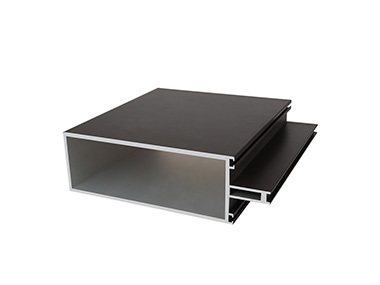
How to Choose the Right Aluminium Profile Alloy for High-Rise Curtain Walls
Date:2026-06-18
View: 2514 Point
High-rise building curtain wall is the core envelope of the building facade, aluminum profile has become the mainstream material by virtue of its lightweight, corrosion-resistant, processable advantages. Aluminum alloy grades on the market, the state of a wide range of categories, selection errors will lead to deformation, corrosion, cost overruns and other issues. This article combines working conditions, floor height, environment and multi-dimensional, disassembles the whole logic of aluminum alloy selection for curtain wall, and helps the project to select materials accurately.
Understanding Aluminium Alloys Used in Curtain Wall Systems
Iterative Development of Curtain Wall Materials
In the nineteenth century, Liverpool O'Leary Building, opened the first application of metal glass curtain wall, the early main material to steel-based. Steel is heavy, weak weather resistance, unable to adapt to the needs of high-rise ultra-high-rise building scale construction. After the Second World War, the aluminum extrusion process was upgraded rapidly, and in the 1970s, aluminum fully replaced the steel curtain wall main material. Aluminum alloy is adapted to fine processing, taking into account the value and durability, and is adapted to the construction of commercial building facades around the world.
Core Advantages of Aluminum Alloy Curtain Wall Construction
Aluminum alloy weighs only one-third of steel, which effectively reduces the load-bearing capacity of the main body of the building and reduces the cost of foundation construction. The material has its own native oxidized protective layer, which can independently repair the anti-corrosion structure of the surface layer under the natural outdoor environment. Extruded aluminum is highly malleable and can be customized with shaped cavity profiles to fit diverse curtain wall designs. With the use of heat-insulating strips and coated glass, it can easily comply with the building energy-saving construction standards.
Key Performance Requirements for High-Rise Curtain Wall Profiles
Mechanical Performance of Wind Pressure Resistant Structure
High-rise curtain walls need to comply with the ASCE7 national standard wind pressure measurement specifications, the negative pressure load value at the corners is much larger than that in the middle of the building façade. The sectional moment of inertia and sectional modulus of the profile must meet the standard, and the maximum deformation value is strictly controlled not to exceed L/175. High-floor alternating wind long-term role, the profile needs to have anti-fatigue properties, to prevent long-term force bending and cracking. High wind coastal area priority selection of T6 tempered alloy, enhance the overall load-bearing stability of the keel.
Seismic Adaptive Displacement Performance
High-rise buildings are affected by wind and earthquakes, which will produce inter-story oscillation, and the curtain wall cannot be rigidly fixed to jam the structure. Profiles are matched with sliding bearings and flexible glue joints, reserving space for expansion and contraction displacement to adapt to building deformation. Factory-assembled unit-type curtain wall, seismic adaptability is better than on-site assembled frame-type curtain wall system. When selecting materials, it is necessary to match the alloy expansion and contraction coefficient to avoid displacement and extrusion damage caused by splicing of dissimilar metals.
Airtight and Watertight Protection Performance
The water vapor penetration is strong in high-rise weather, and the multi-chamber iso-pressure structure of the profile is the core design of anti-seepage. Finished products need to meet the standard AE4 airtightness, RE1200 watertightness, through the dynamic wind and rain test verification. Matching special weather-resistant adhesive strips to fit the aluminum profile slot, avoiding the problem of water seepage in windy weather when the adhesive strips are out of the groove. Alloy surface anti-corrosion to meet the standard, to avoid the water tank aluminum corrosion clogging the drainage cavity.
Heat Insulation and Energy Saving Heat Preservation Performance
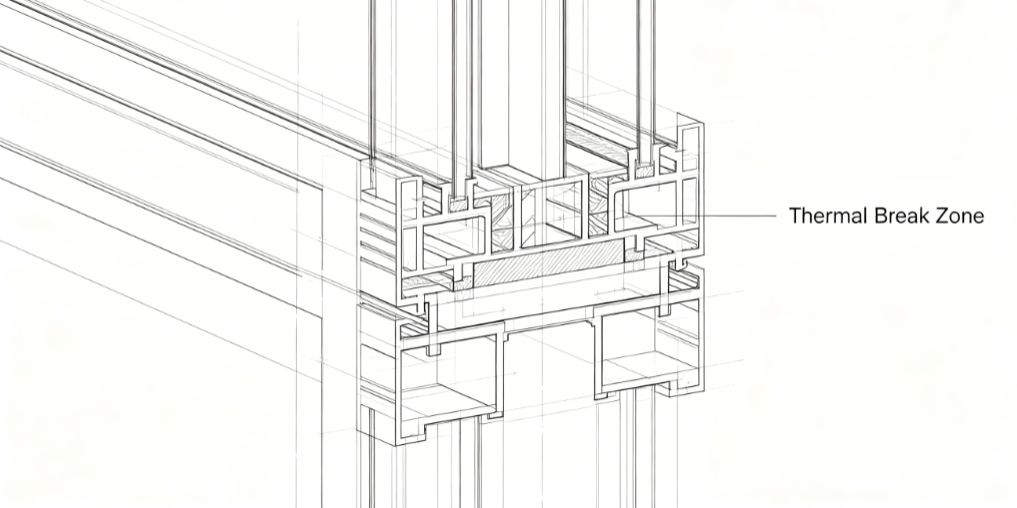
Aluminum base material has high thermal conductivity, and must be matched with nylon heat-insulating strips to cut off the heat-conducting path in the whole area. After optimizing the profile cavity structure, the overall heat transfer coefficient of the curtain wall can be stably controlled in the range of 1.0-2.0 W/m²K. The compliant heat-insulating profiles can reduce mold and condensation on the inner wall, and are suitable for constant temperature office buildings and high-rise buildings of hotels. Energy-saving profiles are also essential for the project to declare green building and star environmental assessment qualification.
Weather-resistant and Anticorrosive Long-lasting Performance
The high-rise facade is exposed to ultraviolet rays, dust and atmospheric pollutants all year round, and the surface layer of aluminum is easy to oxidize and change color. Compliance with modified alloy and high-end surface coating can guarantee the appearance of the facade for more than 20 years without extensive aging. Alternating temperature and humidity will repeatedly pull the profile splicing nodes, the alloy needs to have anti-stress corrosion stability. Outdoor materials to put an end to simple glossy bare aluminum, must be supported by specialized anti-corrosion protection process.
Performance of Sound Insulation and Fire Prevention
High-rise buildings in the core business district of the city, the cavity of the curtain wall profiles need to be equipped with soundproof filling materials to weaken the noise of outdoor traffic. The wall thickness of the profile is regular and uniform, and it can be equipped with fireproof and thermal insulation filling materials to achieve EI fire resistance level. Special landmark buildings also require profiles with additional performance of anti-explosion and anti-pressure, suitable for municipal landmark conditions. Integrated standardized profiles can be adapted to the embedded assembly construction of large-size whole tempered glass.
Comparing Popular Aluminium Alloys for Curtain Walls
Curtain Wall Aluminum Alloy Grade Advantages and Disadvantages
6063-T5/T5 Special Decorative Alloy for Curtain Wall
With excellent extrusion fluidity, it can be molded into thin-walled multi-cavity shape, and the texture of the facade is exquisite and beautiful. Anodic oxidation coloring uniformity without color difference, is the first choice of decorative profiles for exposed curtain walls of high-end office buildings. Structural yield strength is limited, unable to bear large span, high-level corners of high negative pressure load. It is mostly used for secondary keel, decorative pressure line, window sash, not as main load-bearing vertical keel material.
The tensile yield strength is 25%-30% higher than that of 6063, and the bending and fatigue resistance is upgraded. Welding, deep processing and opening performance is excellent, suitable for shaped reinforcement nodes, high-level main keel installation. Extrusion molding is more difficult, the surface layer of the profile is not delicate enough, and the anodic oxidation feeling is weak. Purchasing and deep processing cost is higher, according to the need for local use can be, without the whole set of replacement of the whole house material selection.
6082 High-strength Special Engineering Aluminum Alloy
The top grade of mechanical properties in the whole 6000 series, suitable for super-high floors and extreme working conditions along the typhoon coast. Resistance to deformation and alternating wind pressure is very strong, which can reduce the density of keel layout and save materials. The smelting and extrusion process is harsh, the market spot quantity is small, and the customized production cycle is long. The cost is much higher than 6061 and 6063, and it is only suitable for landmark super-high-rise and high-risk working conditions.
6463 and 5000 Auxiliary Alloys
6463 is specially developed for bright anodizing, reflective facade curtain wall exclusive customized profiles. Less metallurgical impurities, mirror texture and transparency after polishing, high-frequency selection for commercial complex facades. 5000 series rust-proof aluminum is mostly processed into curtain wall aluminum veneer, sealing plate back plate, not extruded keel. Excellent moisture and corrosion resistance, suitable for basement podium, waterfront facade closed enclosure structure.
Aluminum Alloy Five Core Selection Comparison Dimensions
Mechanical Strength and Molding Plasticity Comparison
Strength ranking: 6082>6061>6063, the higher the strength, the more difficult it is to extrude and mold the profile. For complex shaped curtain wall, it is preferred to reduce the alloy strength to guarantee the qualified rate of profile extrusion. The high-level straight keel is prioritized with high strength alloy, and the shaped decorative line is prioritized with 6063 basic alloy. While taking into account the structural safety, the processing scrap rate is strictly controlled to reduce the overall processing and production costs.
Comparison of Anti-corrosion Value and Cost Suitability
Atmospheric corrosion resistance 6063 is the best, outdoor is not easy to white spot rust, later maintenance workload is minimized. High-end fluorocarbon spraying process is suitable for all grades, and low-cost anodizing is only suitable for 6063 with the best results. Spot cost: 6063 is the lowest, 6061 is mid-range, and 6082 has the highest procurement cost. Conventional civil high-level priority 6063 zoning with 6061, cost-effective to match the vast majority of engineering conditions.
How Building Height Influences Alloy Selection
Changes in Profile Forces Due to Building Height Increase
The higher the height from the ground, the smaller the wind resistance, the curtain wall façade positive wind pressure, negative pressure at the corners of the synchronized multiplication. Building corners, facade concave and convex points, wind suction destructive force for the middle of the facade load about 1.5 times. Low-level wind pressure deformation can rely on the profile cavity to offset, high-level wind pressure will cause irreversible bending of the keel. The higher the floor height, the more can not rely on thicker wall thickness compensation, must upgrade the alloy material to enhance the bearing capacity.
High-rise Superimposed Additional Deformation Force
The temperature difference between day and night is large, and the cumulative displacement of thermal expansion and contraction of aluminum alloy is much larger than that of low-rise buildings. Seismic micro-motion, the main body of the building settlement, will drive the curtain wall keel high-frequency small swing force. Ordinary low-strength alloy long-term alternating force, node position is very easy to stress cracking aging. After the floor height is upgraded, the alloy anti-fatigue and anti-displacement performance must be included in the core material selection index.
Different Building Height Exclusive Alloy Selection Program
Material Selection for Buildings Below 15 Floors
6063-T5/T6 standard architectural aluminum profiles are directly selected for the whole area, which are fully suitable for regular wind pressure load. The profiles can be made into thin-walled, slim and minimalist shapes, which meets the aesthetic design requirements of modern minimalist facades. Sufficient purchasing stock, short extrusion period, zero defects in surface coloring, and controllable overall project cost. No additional reinforcement of steel lining, universal node fittings, convenient and efficient on-site installation and construction.
Conventional High-rise Buildings with More Than 15 Floors
6063 is retained as the visible decorative material for the façade, and the vertical main keel is uniformly upgraded with 6061-T6 alloy. Differentiated selection of materials by district, taking into account the value of the facade, the overall structure of the wind pressure dual indicators. All wind outlets and corners of the building with high negative pressure points are equipped with 6061 reinforced secondary keel to strengthen the force. Adapted to regular urban windy weather, no need to raise the overall profile specifications, balancing the cost and safety.
Materials for Supertall Landmark Buildings
The core load-bearing keel of super high-rise buildings above 100 meters is made of 6082 tempered high-strength aluminum alloy profile. Steel bushings are embedded in the local core load-bearing nodes to enhance the overall load-bearing stability of the curtain wall. Optimize the mechanical structure of the profile cavity, with the help of finite element calculation of section strength, to reduce the self-weight of aluminum materials. Adapt to wind tunnel test load verification to meet the special construction acceptance specification of the landmark project.
Evaluating Corrosion Resistance for Different Environments
Corrosion Selection Criteria by Site Conditions
Inland City Common Urban Site
Low air salinity, controllable pollutants, low frequency of acid rain, corrosion grade C1-C2, 6063-T6 with conventional powder coating, ordinary anodizing, can meet the 20-year warranty. No need to raise the anticorrosion configuration, cost-effective material selection priority, regular market spot profiles can be adapted. In the latter part of the year, simple washing and cleaning of the facade can maintain the appearance of the profiles intact and rust-free.
Coastal Salt Spray Site Conditions
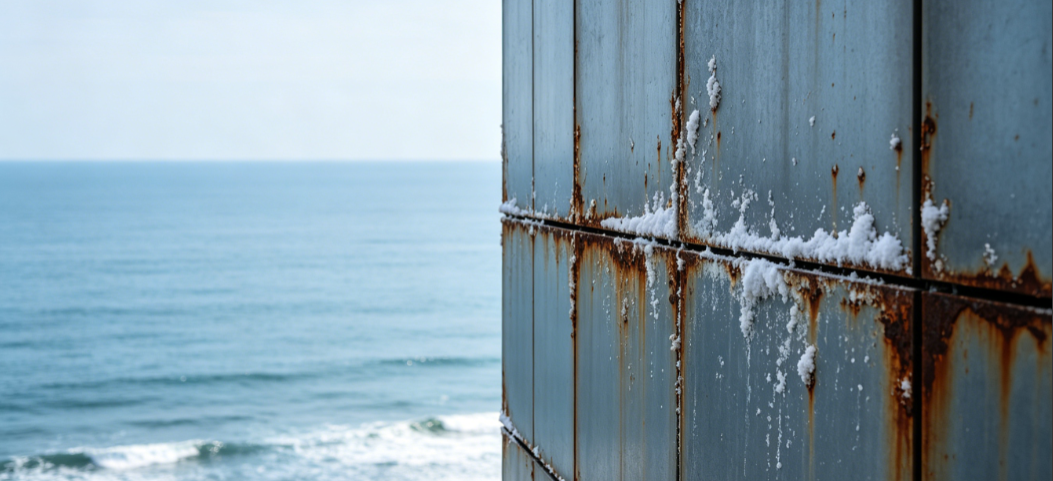
Sea breeze chloride ion penetration is very strong, very easy to induce aluminum pitting white spots, corrosion level up to C5. The main material is 6061 corrosion-resistant base material with AA25 thickened anodic oxidation or fluorocarbon spraying surface layer. The curtain wall drainage channel is passivated and anticorrosive to prevent salt water from accumulating and eroding the inner wall of the profile for a long time. Coastal projects are prohibited to use cheap powder coating facade, 3-5 years is very easy to appear peeling rust problem.
Polluted Sites in Chemical Industrial Parks
Plant sulfide, acid and alkali dust suspended in the air, continuous decomposition damage to the aluminum surface protective film. Priority selection of high-purity 6063 improved alloy, with double-layer fluorocarbon anticorrosion coating closed protection. Increase the flow and drainage design of the splicing gap to avoid corrosive sewage stagnation in the slot position of the profile. Special inspections are conducted every six months to check the damaged spots of the coating on the façade, and the base material corrosion diffusion is blocked by timely coating.
Tropical High Temperature and High Humidity Rainforest Site
High temperature and high humidity confined environment all year round, with hardware carbon steel fittings are very easy to trigger electrochemical corrosion. Profile installation must be installed with insulating gaskets to isolate the aluminum and iron hardware direct contact. All the main materials are made of homogeneous 6063 alloy, which has fewer metallurgical impurities and stronger resistance to galvanic corrosion. Optimize the drainage slope of the cavity to prevent moldy water accumulation in the cavity and weaken the negative impact of moisture corrosion.
Desert Ice and Snow Extreme Special Site
Long-term friction and polishing of the façade by desert wind and sand will wear out the surface anti-corrosion coating and expose the aluminum substrate. Thickened wear-resistant fluorocarbon surface layer, with high hardness 6061 alloy, to enhance the ability to resist wind and sand bumps. Ice melting snow containing antifreeze salt additives, corrosive near coastal salt environment. Low-temperature resistant tempered aluminum is used in high-cold areas to avoid low-temperature brittle cracks, and the anti-corrosion surface layer process is upgraded simultaneously.
Anti-Corrosion Treatments and Industry Tests
Four Main Curtain Wall Anti-Corrosion Coatings
Anodic oxidation cost-effective, stable adhesion, suitable for inland standard civil high-rise building curtain wall materials. Powder coating is rich in color, commonly used in curtain walls for home decoration, and its salt spray resistance is weaker than fluorocarbon process. PVDF fluorocarbon spraying weather-resistant and corrosion-resistant top match, coastal industrial zone landmark project designated special process. Native glossy bare aluminum is only used for temporary enclosure, and is strictly prohibited to be used for long-term outdoor façade curtain wall structure.
Standardized Testing Method for Anti-corrosion Performance
Relying on ASTM B117 salt spray testing machine, simulating the salt environment of the site to observe the rust and corrosion of the profile at regular intervals. Relying on ISO9223, the corrosion level of the project site is defined in advance, and the alloy process is matched in advance. Florida outdoor open-air hanging samples of the actual test, verification of the profile perennial outdoor real aging corrosion state. All anti-corrosion process before entering the field, must issue a third-party test report before batch production and use.
Balancing Strength, Fabrication, and Cost
Contradictions in the Choice of Materials for Curtain Walls
Structural Strength and Production Cost Contradiction
The higher the strength of the alloy, the higher the energy consumption of smelting and extrusion, and the simultaneous increase in the unit price of raw material procurement. High-strength alloy, such as thickening cross-section, aluminum net weight increase, the main structure of the load-bearing cost rise. Blindly low with the strength of the alloy, the later wind pressure deformation exceeds the standard, need to be reinforced rework rectification, hidden costs are extremely high. Selection of materials must be measured critical stress value, just to meet the standard compliance, not blindly high with the material.
Processing and Molding and the Appearance of Texture Contradictions
6061, 6082 high-strength alloy mobility is poor, complex shaped mold extrusion prone to surface texture. Later grinding and repair processes increase, artificial processing costs increase, lengthening the project supply cycle. Thin-walled high-value profiles can only use 6063 alloy, the upper limit of load-bearing fixed can not be broken. Shaped shape points, must be split structure, separate selection of value models, load-bearing models of two types of aluminum.
Low mold loss, high extrusion rate, easy and convenient deep processing of holes and slots. Sufficient stock inventory, no need to open customized molds, small and medium-sized projects can be quickly arrived into the construction site. Relying on the optimized cavity reinforcement design, the load bearing can be slightly increased, which is suitable for most of the conventional high-rise working conditions. The cost of the whole chain of procurement, maintenance and recycling is the lowest among all alloys.
6061-T6 Input and Output Adaptable Value
Only targeted replacement of high stress keel, no need to replace the whole house, incremental cost control range is small. Suitable for high wind, earthquake high frequency areas, reduce the risk of curtain wall cracking and falling off safety compensation. Strong compatibility of secondary renovation and remodeling, and all market curtain wall hardware accessories can be adapted for open-hole installation. Adaptable to medium and long-term building use planning, reducing the cost of facade renovation within five years.
Hybrid Alloy Matching and Cost Advantages
The optimal program for the industry: 6063 visible surface + 6061 hidden load-bearing keel zoning collocation. Taking into account the aesthetics of the facade, overall structural safety, and balanced control of the total cost of aluminum procurement. With the help of finite element mechanical modeling, excessive reinforcement profiles are eliminated, and the wall thickness of profiles is streamlined to save materials. After professional modeling optimization, it can save 8%-12% of aluminum consumption, improving quality and saving cost at the same time.
Best Practices for Selecting the Right Alloy for Your Project
Pre-Project Coordinated Material Selection
At the program stage, the façade, structure and HVAC engineers jointly finalize the material selection plan. Combined with the wind tunnel test data, it eliminates the unilateral selection of alloy grades and profile wall thickness specifications based on experience. Synchronize with the curtain wall construction team to prejudge the degree of difficulty in adapting to profile opening and bending processing. The whole process of design, material selection, processing and installation avoids the problem of material selection and adaptation loopholes.
Prioritize Section Optimization Instead of Alloy Upgrading
Under the same material weight, optimize the cavity reinforcement structure to improve the bending load capacity of the profile. Low-cost modification of profile cross-section can replace high-priced upgrading of 6061, 6082 high-strength alloy selection. Conventional high-level priority improvement of 6063 cross-section, no need to replace high-strength aluminum after reaching the standard load. This is the core preferred method to control the cost and ensure the construction progress in the curtain wall industry nowadays.
Alloy Benchmarking and Analysis on a Regular Basis
Before entering the site, we organize two alternative alloys and compare the four major data of strength, deformation, coating and cost. Relying on FEA finite element simulation of working conditions and forces, visually compare the adaptability of the two aluminum materials. Access to the material cases of projects in the same city with the same floor height, and refer to the mature material selection program. Benchmark the completed curtain wall façade in the field, and prejudge the actual appearance effect after the completion of the selected material.
Complex Project Specimen Inspection
Super-high-rise, coastal and industrial park projects must produce 1:1 curtain wall assembly samples. Laboratory simulation of wind, water seepage, temperature deformation test, verification of the alloy's comprehensive adaptability. After the samples are accepted by the third party testing, the Party A and the supervisors, then the batch order will be placed for production. Pre-testing can avoid the arrival of large quantities of profiles, the overall return and rework major losses.
Common Mistakes to Avoid When Choosing Curtain Wall Alloys
SMaterial Selection Based Only on Raw Material Price
Procurement of low-priced 6063 low-compatibility aluminum, high-level wind pressure does not meet the standards of the latter part of the high cost of reinforcement. Only look at the unit price of goods, ignoring the processing of scrap, maintenance rework, delayed hidden costs. High with the whole building 6061 aluminum, redundant bearing capacity is completely redundant, raising the project budget for no reason. Selection of materials to adapt to the working conditions to meet the standard, not blindly low price, not blindly high with high strength aluminum.
Ignore the Site Corrosion Level Blind Selection of Materials
Coastal site directly apply inland ordinary spraying 6063 profile, salt corrosion white spots within a year. Not verified ISO site corrosion grade, not supporting the thickening of anticorrosive coatings, materials are inherently not durable. Chemical plant area does not do closed-coat protection, aluminum seams quickly rusted black leakage of rainwater. Omit the anticorrosion process budget in the early stage, 2-3 years to renovate the facade as a whole is not worth it.
Ignore the Painting Process and Alloy Compatibility
6061 alloy surface texture rough, forced to do high-grade mirror anodizing, finished product color difference is serious. Later on, manual grinding and repairing is required, which increases the cost of labor hours and destroys the overall appearance of the facade. Customized high-gloss façade project, misuse of conventional 6061 substrate, unable to achieve mirror polishing effect. Appearance completion is not up to standard, can only re-mold production, delaying the overall construction progress.
Mix and Match Aluminum Without Isolation Protection Treatment
6061 + 6063 mixed use, the metal contact surface directly affixed to the installation and construction. Potential difference triggers electrochemical corrosion, and the joint position is preferred to aging and chalking, destroying the sealing and waterproof structure. Construction simplifies the process of not installing insulation gaskets, short-term node blackening and seepage, accelerating the aging of the curtain wall. Mix and match the selection of materials must be supporting the isolation process, written into the construction of special technical briefing documents.
Confusing Alloy Grade and Heat Treatment Status
The same 6063 grade, T5, T6 strength gap is obvious, often confused when ordering tempering specifications. Procurement orders marked fuzzy, manufacturers according to the need to undermatch T5 aluminum, high-level load bearing capacity does not meet the standards. Drawings only write the alloy grade, not labeled heat treatment status, very easy to appear with the material degradation and material theft. Selection of documents must be complete labeling grade + state, two-way lock into the field with the standard material.
Conclusion
Aluminum profile selection for high-rise building curtain wall can't just look at the cost or strength, but should be combined with the layer height and wind pressure, site corrosion environment, facade value multi-dimensional judgment. 6063 is suitable for decorative materials, 6061 is suitable for load-bearing keel, and mixing and matching of zones is the general optimal solution. Controlling the details of process adaptation, field testing, node isolation, avoiding selection errors, can take into account the three core needs of safety, aesthetics, cost, and help the curtain wall project long-lasting and stable landing.
Henan Retop Industrial Co., Ltd. Will Be There Whenever Wherever Whatever You Need

 Understanding Aluminium Alloys Used in Curtain Wall Systems
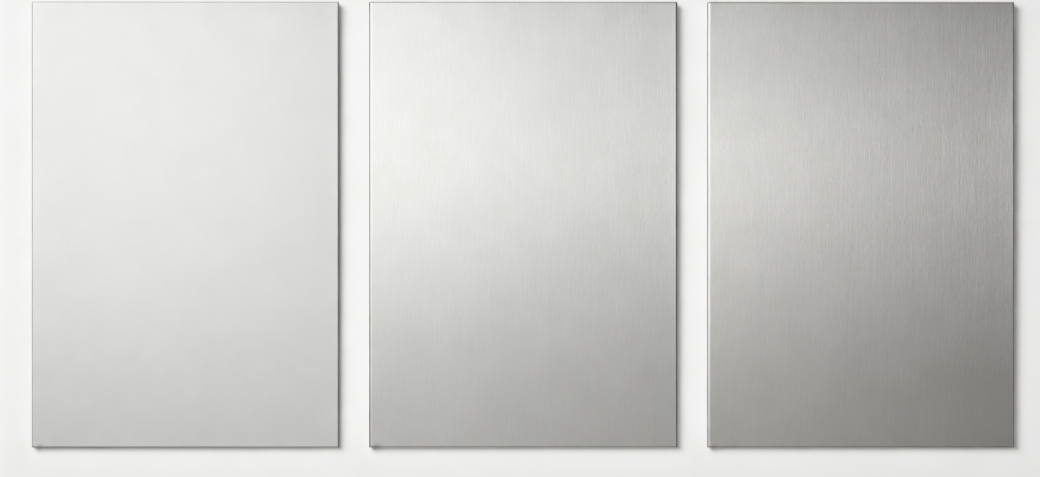 Comparing Popular Aluminium Alloys for Curtain Walls
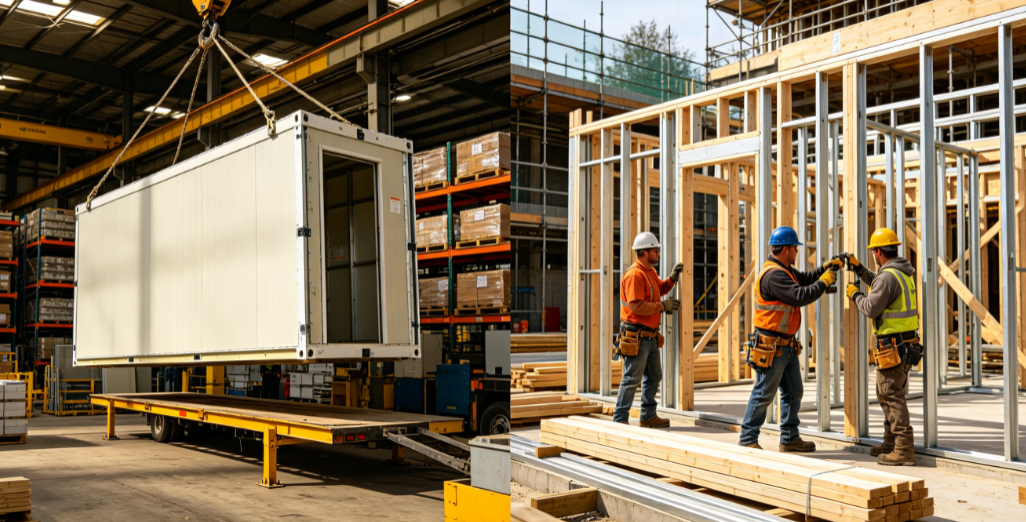 Evaluating Corrosion Resistance for Different Environments
 Best Practices for Selecting the Right Alloy for Your Project
.jpg)