How to Select the Right Aluminum Round Stock for Your Machining Project
Date:2026-06-10
View: 3864 Point
Aluminum round stock is a core raw material for a wide range of applications in the machining field, and is suitable for a wide variety of machining projects in the aerospace, automotive, and general mechanical industries. The accuracy of material selection directly affects the quality of workpiece processing, productivity and long-term stability.
Different grades, specifications, process performance of aluminum round bar is extremely different, blind selection of materials prone to tool wear, workpiece scrap, lack of service life and other issues. This article combines the logic of professional material selection, detailed explanation of machining aluminum round bar full set of scientific selection method. What Is Aluminum Round Stock
Basic Definition and Core Characteristics
Aluminum round stock, also known as aluminum round rod, aluminum round billet, is a solid aluminum profile with a round cross-section, which belongs to the basic industrial processing raw materials. This material is different from hollow aluminum tubes and shaped aluminum, with a uniform and regular overall structure, suitable for all kinds of cutting and bending processes. Aluminum round bars used in industry are all alloy materials, abandoning the shortcomings of pure aluminum texture is too soft, both lightweight, high strength, corrosion resistance and other comprehensive advantages. With a wide range of specifications and sizes, they can meet the needs of small-scale customization and large-scale industrialized mass production.
Mainstream Production Process
The core production process of aluminum round bar is hot extrusion, in which the aluminum billet is heated at high temperature and extruded into a standard cylindrical billet with the help of a high-pressure die. After the basic molding, it can also be matched with cold-drawing, fine cutting, fine grinding and other refined processing procedures. At the same time, T6, T6511 and other heat treatment processes can be used to optimize the material properties and refine the internal grain structure, effectively improving the dimensional accuracy and mechanical stability of the round bar, which is suitable for precision machining scenarios.
Why Material Selection Matters in Machining
The Cutting Performance of Different Alloys Varies Significantly
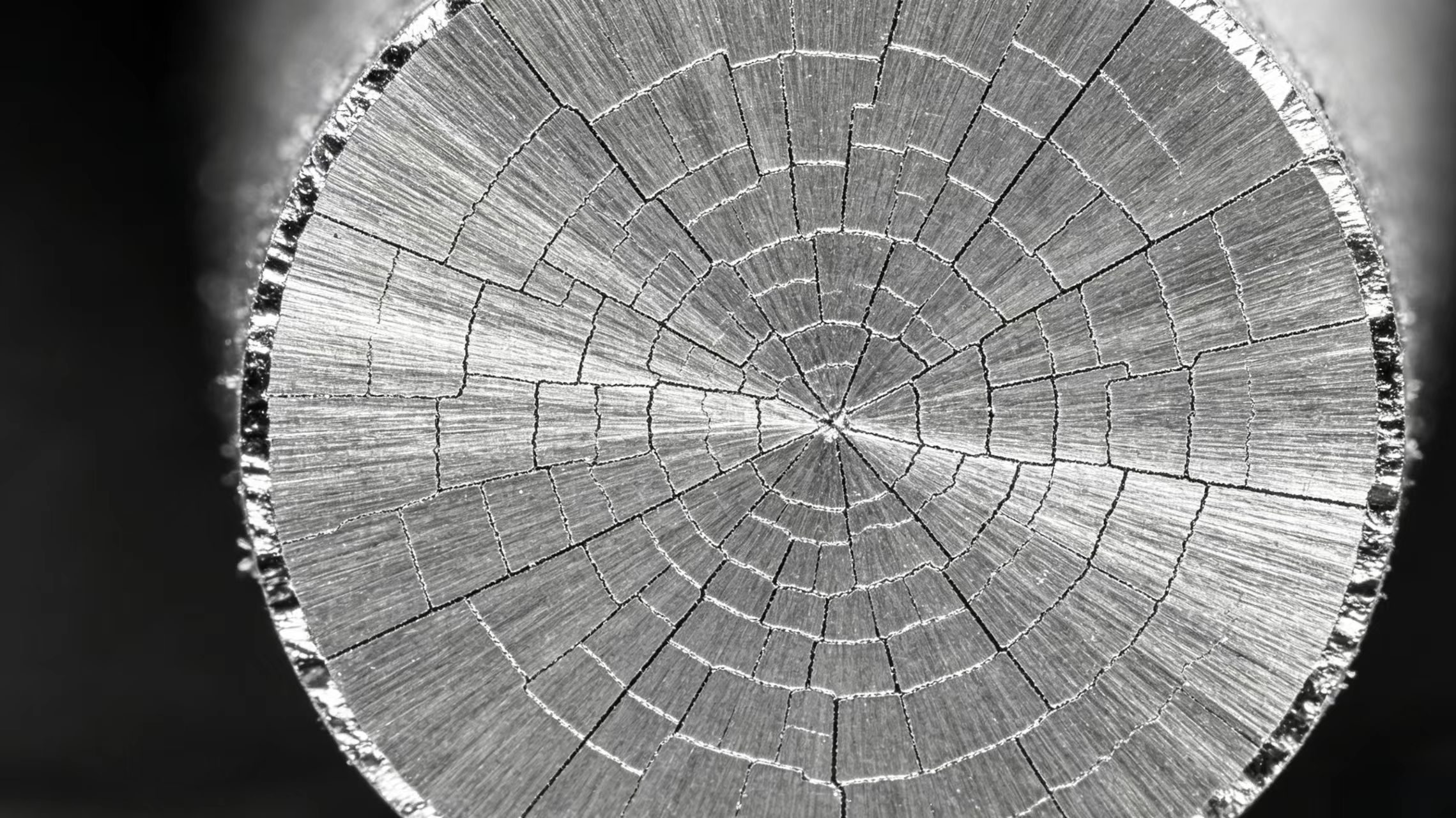
The cutting performance of various types of aluminum alloys varies, and in the machining process of CNC lathe and milling machine, there is a significant difference in chip removal effect, heat generation speed and tool suitability. General-purpose, high-strength, soft alloys have completely different machining adaptability scenarios. 6061 alloy cutting smooth, clean chip removal, suitable for high-volume precision machining; 7075, 2024 high-strength alloys with high hardness, processing heat production, tool wear, need to match the exclusive processing parameters and coolant.
Material Selection Affects the Core Processing Performance Indicators
Reasonable material selection can effectively extend the service life of the tool, protect the dimensional accuracy of the workpiece and surface finish, reduce processing defects. Failure to select the right material can lead to deformation of the workpiece, poor tolerances, surface drawing and other problems. Suitable alloy can increase the cutting speed and feed, shorten the machining cycle and reduce the production cost per piece. Poor material selection can increase equipment downtime and significantly reduce overall production efficiency.
The Real Cost of Poor Material Selection
In small batch sampling, material selection errors will cause material waste, sample scrapping, prolonging the project development cycle. In large-volume industrialized production, the loss caused by performance differences will continue to accumulate, compressing the overall profit of the project. Misuse of common alloys in high-strength working conditions will lead to insufficient service life of the finished workpiece, causing after-sales repair and safety risks. Soft alloys used in precision machining are prone to uncontrolled tolerances, affecting the use of product assembly.
Basic Guidelines for Machining Material Selection
For regular general machining projects, 6061-T6 general-purpose alloy is preferred, taking into account performance, cost and processing convenience. Special high-strength, high anti-corrosion needs, and then targeted replacement of the exclusive alloy grade. Strange alloys need to be tested in small batches before processing, combined with the supplier's cutting parameter table to optimize the process. At the same time, we verify the material warranty documents to ensure that the performance of the whole batch of materials is uniform and stable.
Choose the Right Aluminum Alloy
The Core Significance of Alloy Selection
The mechanical properties of pure aluminum are weak and cannot meet the demands of industrial structural parts. Industrial aluminum round bars are optimized by adding magnesium, silicon, copper and other elements. Different alloy formulations correspond to differentiated properties such as strength, anti-corrosion and welding. Accurate matching of alloy grades is the key to balancing the mechanical properties of the workpiece, the use of the environment, the processing technology and the project budget. Selection deviations can directly lead to workpiece failure, processing difficulties, cost overruns and other problems.
Mainstream Alloy Grades and Application Scenarios
6061-T6 is the main alloy for industrial general purpose, with balanced performance, suitable for structural parts, mechanical parts, conventional customized processing, convenient procurement, cost-effective. 7075 and 2024 are aviation-grade high-strength alloys, suitable for high-load precision parts. 6063 focuses on appearance and anodic oxidation effect, suitable for decorative aluminum processing; 6082 strength is better than 6061, suitable for heavy structure and marine working conditions; 3003, 5052 excellent corrosion resistance, mostly used in chemical and food equipment.
Alloy Selection Key Considerations
Priority should be given to checking the strength and toughness requirements of the workpiece, selecting high-strength and anti-fatigue alloys for high-load dynamic conditions, and prioritizing the use of high-toughness materials for bending and molding processes. Outdoor, seawater conditions focus on assessing the corrosion resistance of the material. At the same time, taking into account the subsequent processing technology, welding workpiece preferred 6061, 6082, precision cutting priority 6061, 2024, but also combined with the budget, general-purpose scenarios do not need to blindly choose high-end high-strength alloys.
Alloy State Selection Points
Aluminum alloys with different heat treatment states have great differences in performance, T6 state has the highest strength and is suitable for all kinds of load-bearing structural parts, T6511 has been de-stressed and processed for better dimensional stability and is suitable for precision workpieces. O state is annealed soft state, plasticity, suitable for bending, molding processing, can not be used for high-strength load-bearing scenarios. According to the sequence of processing and the performance requirements of the finished product, the material state should be selected accurately.
Determine the Required Diameter and Tolerance
The Core Role of Diameter and Tolerance
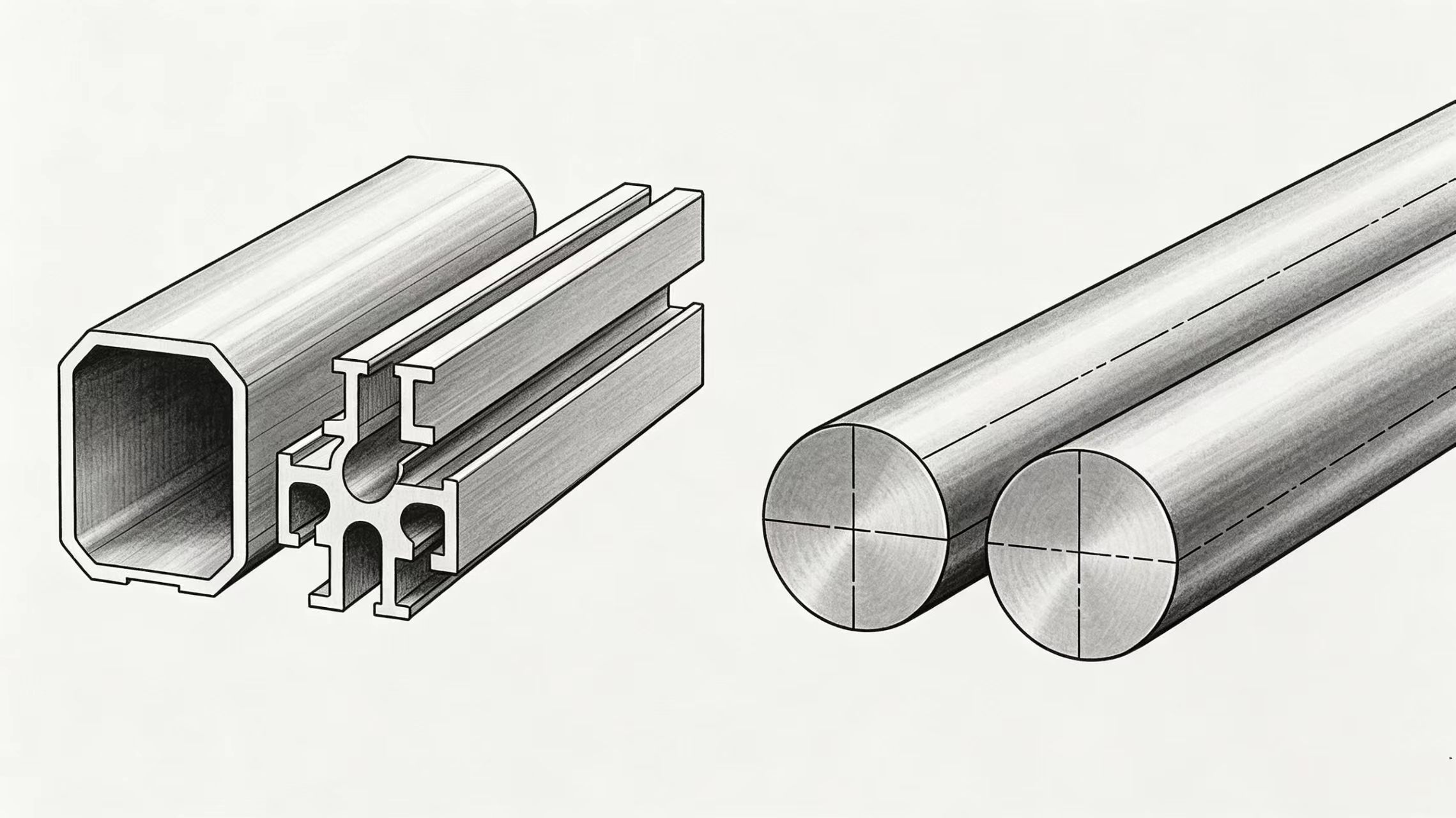
The diameter of aluminum round bar directly determines the load-bearing capacity, overall weight and machining allowance of the workpiece. A small size will result in insufficient structural strength, while a large size will result in waste of raw materials and redundant machining. Tolerance limits the permissible deviation of the material size, loose tolerance is suitable for common structural parts, and severe tolerance is the core guarantee for precision assembly, bearing fit, and interference connection workpieces.
Standardized Diameter Specifications on the Market
Aluminum round bars are classified into two major standards: imperial and metric, covering small, medium and large conventional specifications, and are available in sufficient stock on the market to fit most conventional processing projects. Standardized sizes can effectively reduce purchasing and customization costs. Large diameter non-standard round bars support customized production, but the procurement cycle is longer and the unit price is higher. Standard off-the-shelf sizes are preferred for routine projects, so there is no need to blindly customize non-standard sizes.
Tolerance Standards for Different Processes
Common extruded aluminum round bar has a wide range of dimensional tolerances and outstanding overall cost performance, which is suitable for all kinds of large structural parts and rough machining workpieces. This type of material is highly versatile as it can be used in regular machining scenarios that do not require high-precision assembly. Aluminum round bars made by cold drawing and fine grinding process have extremely high dimensional accuracy and can achieve micron-level precision machining standards. These high-precision profiles are mainly used in demanding precision scenarios such as precision shaft cores, bearing mounts, and precision assembly parts.
Methods of Accurately Determining Diameter Dimensions
The theoretical diameter is calculated by combining the force parameters of the workpiece, and the base size is determined with a safety factor of 1.5 to 4 times to ensure the stability of the workpiece load operation. At the same time, a reasonable cutting allowance is reserved. Fine-tune the size according to the assembly method, surface treatment process, clearance fit, different standards of allowance for interference fit, anodizing, welding process also need to reserve space for size deviation in advance.
Size Selection Practice Standard
Selection of materials should follow the industry principle of “preferring bigger rather than smaller”, giving priority to the use of standard aluminum round bar sizes slightly larger than the finished product requirements. By finishing to the target specification, we can avoid the problem of material scrap and rework caused by insufficient size from the source. Purchasing drawings and order documents should be accurately labeled with core technical parameters such as bar diameter, dimensional tolerances and straightness. If necessary, request material inspection reports from suppliers to fully verify material accuracy and ensure full compliance with processing and production standards.
Consider Mechanical Properties
Core Mechanical Properties
Tensile strength represents the critical stress of material fracture, yield strength determines the critical point of permanent deformation of the workpiece, which is the core basis for the selection of structural components, directly related to the safety of equipment operation. Fatigue strength, hardness, elongation corresponds to the workpiece resistance to reciprocating loads, wear resistance, impact resistance, dynamic operation, high-frequency stress workpieces need to focus on verification of these indicators.
Comparison of Mechanical Properties of Mainstream Alloys
6061-T6 comprehensive and balanced performance, strength, toughness, wear resistance to match the general mechanical processing, is the most cost-effective general-purpose alloy materials, applicable to the widest range of scenarios. 7075-T6 is close to steel in strength, with outstanding lightweight advantages, suitable for aviation, high-end automobile parts with high load conditions; 2024-T3 has excellent fatigue resistance and is suitable for cyclic operation of precision transmission parts.
Impact of Mechanical Properties on Projects
High-strength alloys can reduce the overall size of the workpiece, realize the lightweight design of the equipment, and at the same time ensure the safety of the structural load-bearing, suitable for space constraints, lightweight requirements of the equipment scene. The hardness of the material is linked to the difficulty of cutting, high hardness accelerates the loss of cutting tools, and the material is too soft and prone to cutting deformation. Materials with insufficient toughness are prone to cracking and damage during bending.
Mechanical Material Selection Skills
In the product design stage, you can use professional simulation software to simulate the real working conditions of the workpiece, combined with the official material parameter manual to check the accurate performance data. Relying on standardized parameter selection, completely abandon the blindness of traditional empirical material selection. New processing projects can prioritize the use of 6061 alloy sampling trial production, to verify the suitability of the product structure and the actual working conditions. After confirming the usage requirements, we will upgrade the high-strength alloy material according to the needs, so as to accurately balance the performance of the product and the overall cost of the project.
Evaluate Machinability and Surface Finish Requirements
Cutting Performance of Different Alloys
6061, 6082 alloys have excellent cutting performance, clean chip removal, not easy to stick to the knife, high-speed machining, no burr, no wire drawing, suitable for all kinds of high-precision CNC machining scenarios. 7075, 2024 processing difficulty is high, heat production, tool wear, need to optimize the cutting parameters; 3003, 5052 texture is soft, easy to stick material, more suitable for molding processing rather than precision cutting.
Adaptation of Workpiece Surface Finish Level
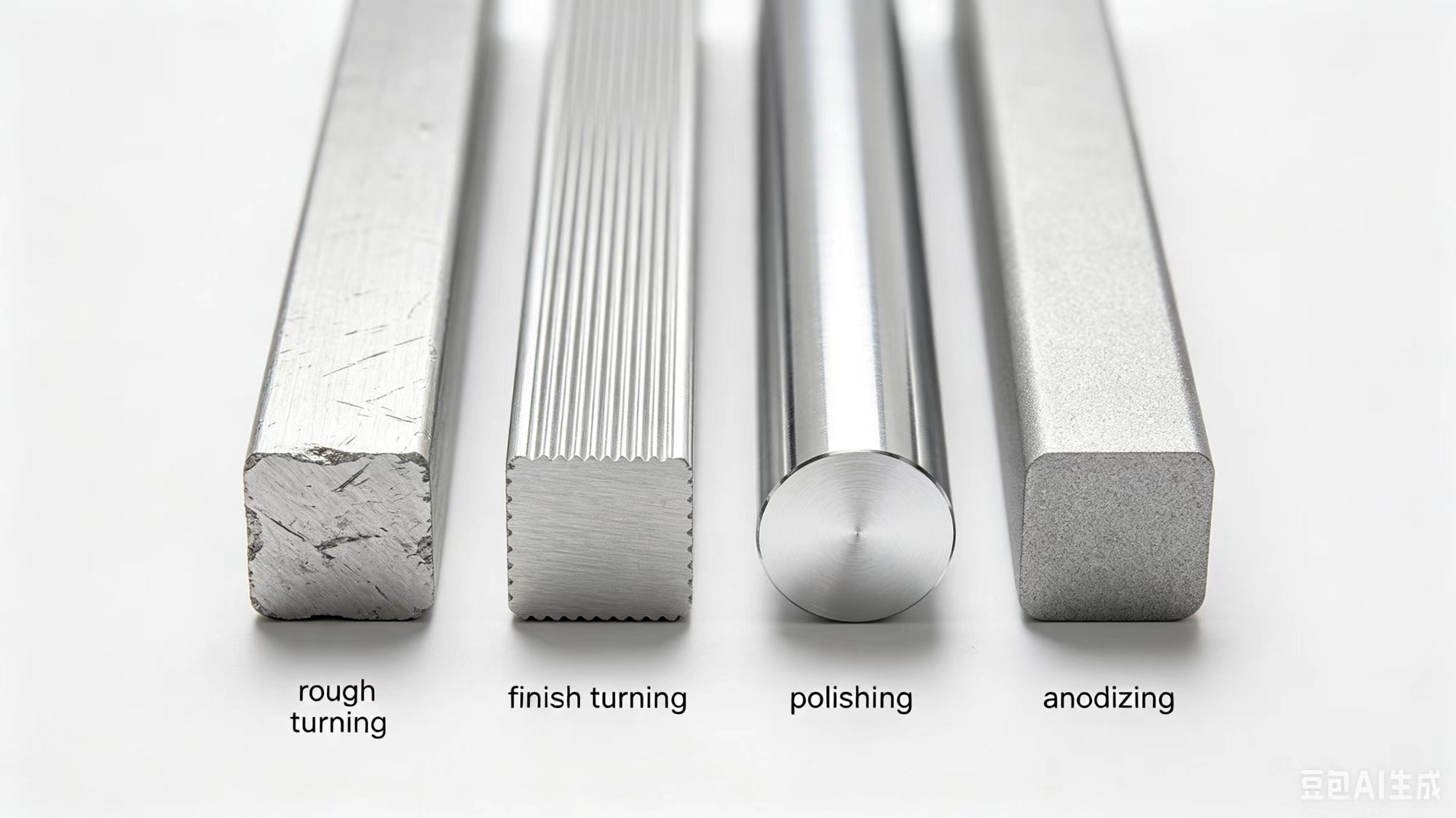
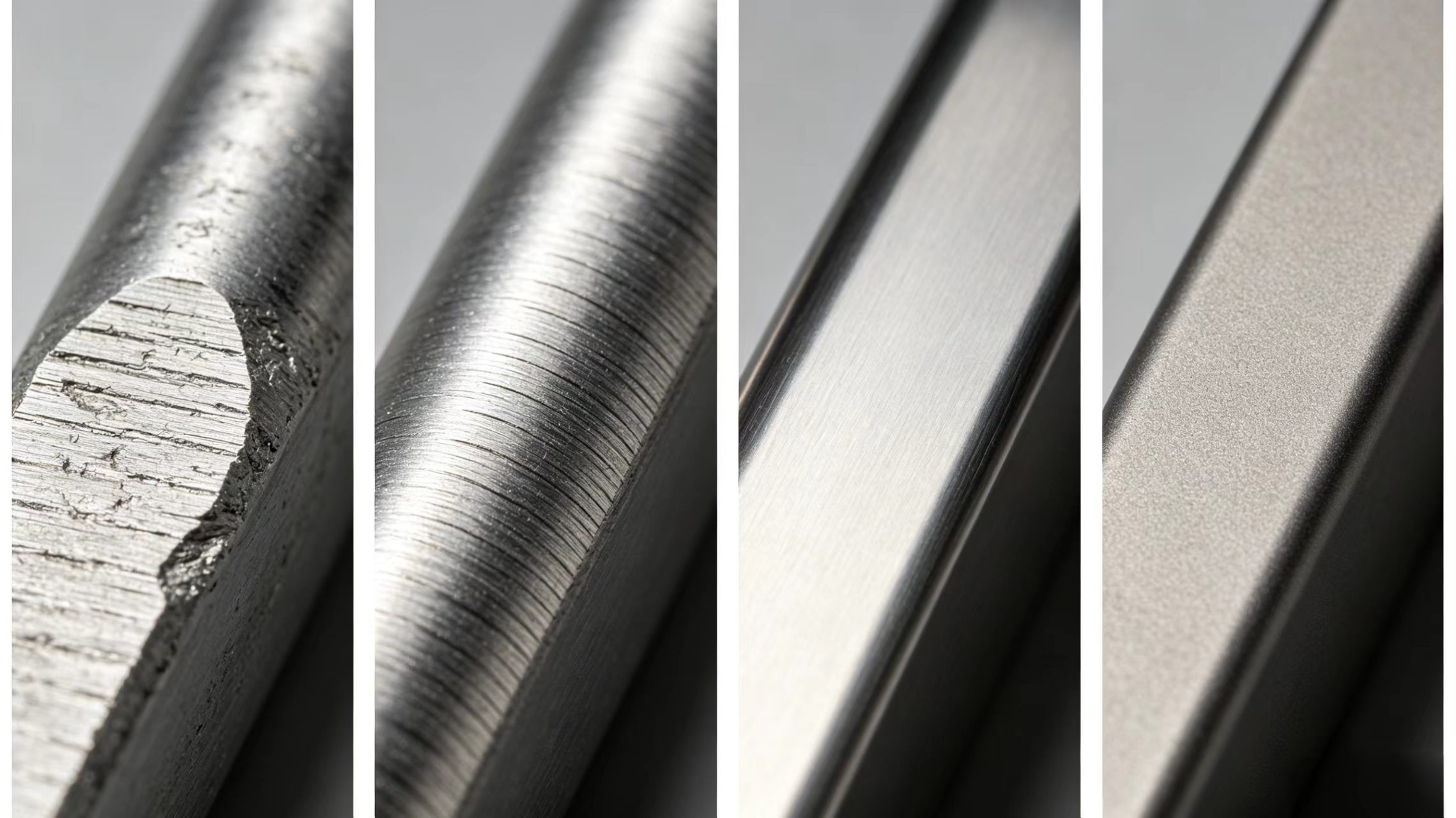
Conventional ordinary structural components have loose requirements for surface roughness indexes, and the standard turning process can meet the basic use standards. There is no need for additional finishing process, which can effectively compress the processing time and control the overall production cost. Precision fit, appearance decoration and sealing workpieces have strict standards for surface finish. It is necessary to optimize the surface effect by fine turning, grinding, polishing and other refined processes, and guarantee the quality of the finished product with high-precision aluminum round bar raw materials.
Methods to Improve Processing and Surface Quality
According to the material characteristics of different aluminum alloys, matching the exclusive tool type and cutting process parameters. Appropriately reduce the feed rate in the finishing stage, weaken the vibration of the cutting equipment, and steadily improve the evenness of the surface of the workpiece. Reasonably split the roughing and finishing processes, and reserve a scientific standard cutting allowance. Optimize the processing plan in advance by combining the subsequent surface treatment processes such as anodizing and spraying to guarantee the dimensional accuracy and appearance of the finished product.
Machining Performance and Cost Balance Strategy
We give priority to 6061 aluminum alloy with excellent cutting performance for routine machining projects, relying on its smooth machining characteristics to reduce tool wear and effectively compress machining hours and production costs. Compared with high-strength and difficult-to-machine alloys, it has more advantages in terms of comprehensive cost performance and adaptability to the ground. For ultra-high precision workpiece processing scenarios, you can directly customize the procurement of precision ground aluminum round bar. Relying on the high-precision tolerance of the raw material, the secondary finishing process can be greatly streamlined, effectively simplifying the production process and realizing reasonable control of the overall project cost.
Consider Environmental and Application Conditions
Corrosive Environment Adaptive Selection Program
Salt spray, seawater and other marine conditions are highly corrosive, need to use 5052, 6061 and other corrosion-resistant alloys, avoid 2024 and other high copper alloys, with anodized protection if necessary. Outdoor open-air working conditions can rely on 6061, 6082 natural oxide layer corrosion, chemical acid and alkali environment priority to 3003, 5052 alloy, with spraying, coating to strengthen the protection.
Influence of Temperature Working Conditions on Material Selection
Aluminum alloy has excellent low-temperature toughness, low-temperature environment will not occur under the brittle crack failure, the material structure has always remained stable. This characteristic makes it directly applicable to the processing of all kinds of low-temperature equipment parts, without the need to replace the special material. Continuous high-temperature working conditions will gradually weaken the structural strength and stability of aluminum alloys, which will easily lead to deformation and performance degradation of workpieces. In high-temperature operation scenarios, it is necessary to select aluminum alloys with stable heat-resistant performance, strictly control the continuous working temperature of the equipment, and avoid workpiece deformation, failure, and other failure problems from the source.
Key Points of Material Selection for Different Industries
Building structural parts require high weather resistance and structural strength, 6061 and 6082 aluminum alloys have stable performance and are suitable for all kinds of outdoor and load-bearing structural scenarios. Aviation and automotive parts focus on high strength and lightweight characteristics, 7075, 2024 aviation grade alloys are the preferred materials for high-end precision processing. Food and medical equipment on material safety, easy to clean the strict requirements, 3003, 5052 aluminum alloy non-toxic environmental protection, corrosion resistance, in full compliance with industry health standards. Electronic heat dissipation parts focus on thermal conductivity, 6061, 6063 aluminum thermal conductivity coefficient is excellent, can be fully adapted to various types of heat dissipation components processing and use requirements.
Long-term Protection and Service Life Optimization
Through hard anodizing, powder coating and other professional surface treatment processes, the aluminum round bar can significantly strengthen the wear resistance, corrosion resistance and UV aging resistance of the finished product, which can be effectively adapted to various types of complex and harsh industrial working conditions. When aluminum profiles are spliced with dissimilar metals, insulation isolation treatment is required to prevent electrochemical corrosion problems. With normalized cleaning and maintenance management, the aging of the material can be delayed to the maximum extent possible, significantly extending the overall service life of the workpiece.
Work with a Reliable Aluminum Supplier
Core Values of a Quality Supplier
A professional and reliable aluminum supplier can strictly control the batch quality to ensure that the material composition, dimensional accuracy and mechanical properties of each batch of aluminum round bar are highly uniform. This effectively avoids processing anomalies and finished product defects caused by uneven material quality, and ensures smooth production. High-quality suppliers can provide one-stop professional technical support, combined with different processing conditions and product requirements, to accurately match the appropriate aluminum round bar material selection program. At the same time, they have stable supply capacity and strictly control the delivery cycle to eliminate the risks of project downtime and schedule delays.
Core Criteria for Supplier Selection
Reliable aluminum suppliers have a perfect stock system, covering all grades and specifications of aluminum round bars, which can be flexibly adapted to diversified purchasing needs such as sampling and testing, small batch trial production, and large-scale mass production. Regular suppliers can provide complete factory qualification and authoritative material testing report, supporting mature quality control process. Strictly screen the straightness, dimensional tolerance and surface quality of aluminum round bars to achieve traceability and verification of material quality.
Value-added Services and Cooperation Advantages
Reliable aluminum suppliers can provide one-stop deep-processing services such as cut-to-length, deburring, protective encapsulation, etc., which effectively reduces the subsequent secondary processing procedures of enterprises and significantly improves the overall production and processing efficiency. Equipped with a professional application technology team, it can provide customized material selection solutions and process optimization guidance for complex working conditions and special processing needs, helping customers to efficiently solve various production problems.
Practical Tips for Cooperation and Avoiding Pitfalls
Procurement process should be careful to identify aluminum round bar materials far below the average market price, low-priced low-quality aluminum often exists in impure material, tolerance, surface defects and other hidden quality problems, which will bring great hidden dangers to the processing and production. The first cooperation with the supplier is recommended to use a small sample procurement mode, comprehensive testing of aluminum processing performance and overall quality. After the trial samples meet the standard, then carry out large-volume procurement, which can effectively avoid the procurement risks such as material scrapping and project losses.
Common Mistakes When Selecting Aluminum Round Stock
Blind Selection of Alloy Grade
Many purchasing and designing staffs select alloy grades purely on the basis of material strength or unit price, ignoring the actual application of workpieces. The application of high-strength aluminum alloy with poor corrosion resistance in outdoor and marine salt spray environments is very likely to cause rapid corrosion and aging failure of the components. If low-strength soft aluminum alloy is blindly used in high-load bearing structure, the workpiece is prone to deformation or even fracture under long-term stress. Simply compressing the material cost and taking low price as the core selection criterion will greatly reduce the stability and overall service life of the finished product.
Neglecting Machining Allowances and Tolerance Standards
Some practitioners directly in accordance with the final size of the finished product procurement of aluminum round bar, did not reserve a reasonable cutting allowance, the subsequent finishing can not fix the size error. This mistake can easily cause the whole batch of raw materials to be scrapped, which directly leads to project rework, schedule delays and material loss. Many material selection personnel are prone to confuse the tolerance standards of extruded aluminum round bar and cold-drawn aluminum round bar, and the precision of the purchased materials does not match the processing requirements. This can cause workpiece assembly jams, fit gap imbalance and other problems, seriously affecting the precision of equipment assembly and overall assembly efficiency.
Ignore the Actual Working Conditions and Environmental Factors
Most of the personnel only refer to the standard indoor working conditions, ignoring the salt spray, high temperature, high humidity, ultraviolet radiation and other complex and harsh environmental factors. After the workpiece is put into special working conditions, it is very easy to have accelerated aging, corrosion failure and other kinds of quality problems. Even if the selected aluminum alloy grade is completely suitable for the working conditions, the lack of supporting surface protection treatment process will significantly reduce the service cycle of the workpiece. Not only affect the stability of equipment operation, but also increase the hidden cost of maintenance and replacement.
Choose the Wrong Material Heat Treatment State
Annealed soft state aluminum used in high-strength load-bearing structure, the workpiece is very easy to bear plastic deformation, structural collapse. On the contrary, the use of high hardness T6 hard aluminum bending and shaping process, the material toughness is not enough, the probability of cracking, breakage and other processing defects. Most practitioners are prone to confuse T6, T6511 and other heat treatment breakdown state, ignoring the core role of stress relief process. This will lead to precision workpiece processing after the emergence of size shift, deformation warping problems, significantly reducing the long-term operation of the workpiece dimensional stability and reliability.
Single Low Price As the Selection Criteria
Blindly purchasing unqualified low-priced aluminum round bar, there are generally uneven distribution of internal grains, straightness deviation exceeds the standard and other quality issues. This kind of material is very easy to cause all kinds of production failures during processing, which directly leads to a significant increase in the rate of product rejects. Most of the low-end, low-priced aluminum lacks formal quality inspection reports and qualification certificates, and its application in the core equipment workpieces will lay great equipment safety hazards. Subsequent fault rectification, workpiece replacement of the comprehensive cost, much higher than the previous purchase price savings.
Neglect of Mechanical Parameters and Safety Factors
Part of the practitioners only based on past experience in the selection of materials, did not strictly verify the tensile strength, yield strength, fatigue strength and other core mechanical parameters, and did not set up a reasonable safety factor according to the force conditions, significantly increasing the workpiece load fracture, the risk of structural failure. When selecting materials, it is easy to ignore the continuous loss brought about by cyclic loading, and the fatigue strength parameter of materials is not emphasized for reference. After long-term reciprocating operation of the equipment, the workpiece will produce hidden cracks that are hard to detect with the naked eye, which will eventually lead to equipment failure and affect production safety.
Conclusion
Aluminum round bar scientific selection is the core of the machining project to improve quality and reduce costs, the need for a comprehensive alloy grade, mechanical properties, dimensional tolerances, processing technology and multi-dimensional considerations of the use of the environment. Avoid all kinds of material selection misunderstandings, and accurately match the material requirements.At the same time docking regular aluminum suppliers, to ensure stable material quality, not only to enhance the workpiece machining accuracy and service life, but also to effectively control the production loss, help processing projects efficient landing, long-term operation.
Henan Retop Industrial Co., Ltd. Will Be There Whenever Wherever Whatever You Need

 Why Material Selection Matters in Machining
 Determine the Required Diameter and Tolerance
 Consider Environmental and Application Conditions
 Common Mistakes When Selecting Aluminum Round Stock
.jpg)