Why Do High-rise Buildings Need Thickened Door and Window Aluminum Profiles?
Date:2026-07-29
View: 4268 Point
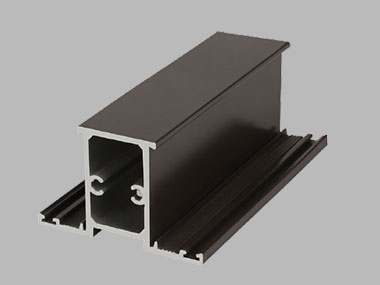
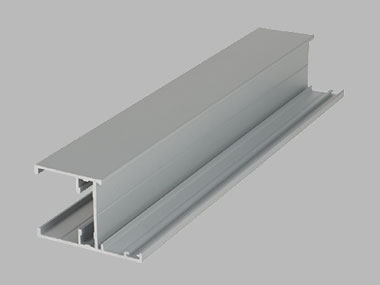
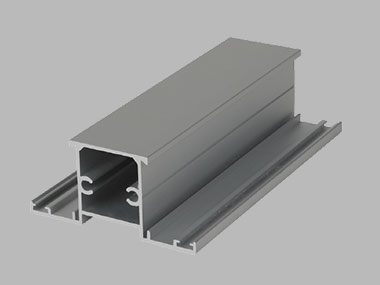
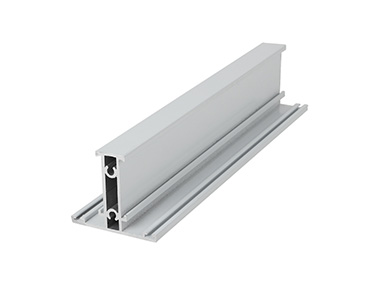
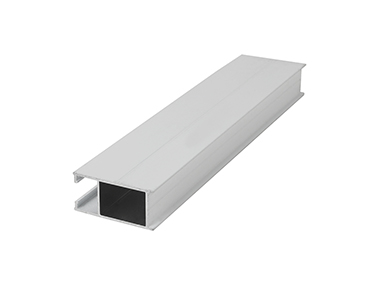
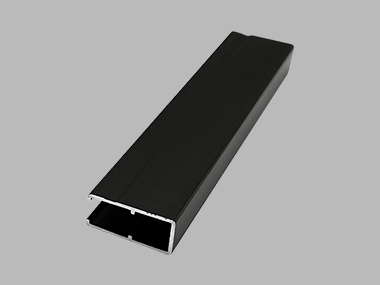
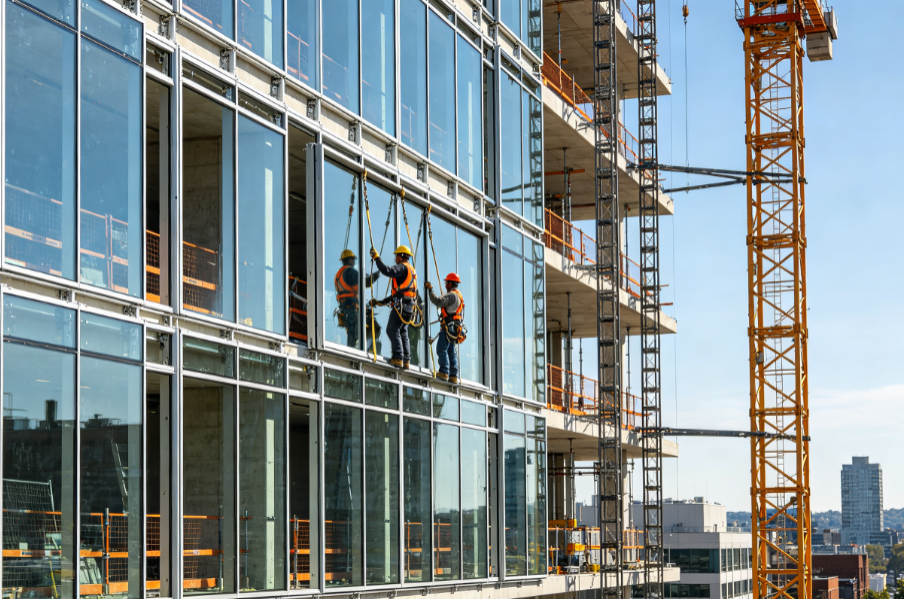
The windows and doors of high-rise buildings are the core components of building envelope. The complex high-altitude environment puts forward strict requirements for the structure, performance and durability of windows and doors of ultra-low-rise buildings.Thickened aluminum profiles become the core material of high-rise doors and windows with excellent structural performance and adaptability.This article comprehensively analyzes the core reasons, material selection standards and purchase points of thick aluminum profiles for high-rise doors and windows.
The Structural Challenges of Doors and Windows in High-Rise Buildings
Sustained Impact Pressure of Wind Load at High Altitude
The higher the building height, the higher the wind speed and wind pressure values will be greatly increased. The doors and windows of the top floor of the 30th floor need to withstand positive and negative wind pressures of 2500 to 4000 Pa, which is much higher than the stress standard of low-rise buildings.This kind of dynamic wind force will repeatedly pull and squeeze the door and window frame, and the thin-walled profile is easy to deform, seal crack and other problems, which has great potential safety hazard. Urban buildings will form wind tunnel effect, aggravate wind disturbance, sudden gust and storm weather will further amplify the stress on doors and windows.Ordinary thin-walled aluminum profiles can not withstand high-frequency, high-intensity wind impact, long-term use will appear after the frame loose, glass shaking, serious will cause glass fall off, doors and windows damaged and other safety accidents.
Superimposed Pressure of Rainfall Infiltration and Climate
High-rise buildings are far away from the ground, so the impact force of rainwater carried by wind is stronger, and the probability of rainwater penetration is much higher than that of low-rise buildings.Ordinary door and window profiles are thin in structure and cannot withstand the osmotic pressure of wind pressure driving rain. It is easy to have problems such as window edge seepage and accumulated water backflow in rainy days. Long-term repeated erosion of wind and rain will wear door and window sealing accessories, with alternating changes in high and low temperatures, will accelerate the aging of profiles, hardening and peeling of adhesive strips.Multiple climate pressure superposition makes it difficult for ordinary profile doors and windows to meet the needs of long-term stable use of high-rise buildings.
Structural Limitations of High-altitude Installation and Construction
High-rise doors and windows are suspended and installed at high altitude, which will bear temporary collision, pulling and other external forces during construction.Thin-walled profiles have poor rigidity and are prone to slight deformation during construction, laying a potential safety hazard for later use. It is difficult to control the precision of high-altitude construction, the deformation tolerance rate of ordinary profiles is extremely low, and slight deviation will lead to loose closing of doors and windows and sealing failure.The harsh construction environment puts forward higher standards for the structural strength and stability of profiles.
Improved Wind Pressure Resistance with Thickened Aluminum Profiles
Optimize the Mechanical Structure of Profiles to Resist Wind Deformation
Thickened aluminum profiles effectively increase the section modulus and moment of inertia by increasing the wall thickness of the profile, fundamentally enhancing the bending and deformation resistance of the profile.Compared with 1.2mm ordinary profiles, high-rise special 1.4 to 2.0mm thick profiles can greatly reduce the deflection of the frame under the action of wind and avoid permanent structural deformation. Thickened profiles can evenly disperse concentrated loads caused by high-altitude wind and relieve stress accumulation in core stress parts such as corners and mullions.Even if it encounters high-frequency sub-cycle wind impact, the profile can keep the structure stable, and prevent the glass extrusion damage caused by frame deformation, sealing strip falling off and other failures.
Adapt to Wind Pressure Grade Standard of High-rise Doors and Windows
There are strict acceptance criteria for wind pressure grade for doors and windows of high-rise buildings. Low-rise general thin-walled profiles cannot meet the design load requirements of high-rise buildings with high wind pressure.Thickened aluminum profiles can easily meet the wind pressure test of special scenes such as high-rise buildings and coastal typhoon areas, and meet the facade construction requirements of various high-rise buildings. Targeted thickening of the key stress parts of the profile can improve the overall DP wind pressure rating of doors and windows, and adapt to the complex working conditions of alternating negative pressure and positive pressure at high altitude.At the same time, strengthen the bite fixing strength of hardware accessories, avoid loosening and falling off of door and window accessories in strong wind weather, and ensure the safety of high-rise doors and windows.
Resist Alternating Positive and Negative Wind Pressure
The windward side of high-rise buildings is squeezed by positive wind pressure, and the leeward side will form negative pressure suction. The door and window frames need to bear bidirectional alternating forces.Ordinary thin-walled profiles are difficult to adapt to two-way stress conditions, easy to appear frame loosening, gap widening and other problems. Thickened profiles have stronger overall structural toughness and can withstand both extrusion and suction loads without elastic deformation residue.Long-term response to high-altitude wind alternating action, still can maintain the regularity and stability of the door and window frame.
Improve the Overall Fatigue Resistance of Doors and Windows
High-altitude wind belongs to continuous cyclic load, repeated pulling and vibration of door and window frames all the year round will cause structural fatigue of ordinary profiles and gradually aging deformation.Thickened profile wall thickness is sufficient, the structure fatigue resistance is greatly improved, and it can withstand wind cycle loss for a long time. Excellent anti-fatigue characteristics, so that doors and windows in the decades of use cycle will not be due to wind vibration structure loose, always maintain a stable wind pressure resistance, adapt to the design requirements of high-rise buildings long service life.
Enhanced Structural Strength and Long-Term Safety
Strengthen the Overall Structural Load Stability
Thickened aluminum profile with multi-cavity structure design greatly improves the overall structural rigidity of doors and windows, and can stably bear large size glass weight and high altitude wind load.Compared with ordinary profiles, its anti-twisting and anti-bending performance is significantly improved, and it is not easy to cause problems such as frame sag and deformation after long-term use. High-rise doors and windows are difficult to install and inconvenient to maintain in the later stage. The high strength characteristics of thickened profiles can avoid the structural aging problem in long-term use.The overall stress of the profile is more uniform, and damage will not occur due to uneven local stress, effectively ensuring the integrity and stability of the overall structure of the door and window.
Extend the Overall Service Life of Doors and Windows
High-quality thickened aluminum profiles with anodizing, powder coating and other surface technology, with strong anti-aging, anti-corrosion ability, can resist high-altitude ultraviolet rays, sand, pollutants long-term erosion.The profile structure is not easy to age and fail, and the overall service life of doors and windows can reach 30 to 50 years. The stable profile structure can continuously ensure the normal operation of the sealing and drainage systems, and avoid problems such as water seepage, air leakage, and condensation caused by profile deformation.Significantly reduce the frequency and cost of maintenance of high-rise doors and windows, and adapt to the core requirements of long-term safe use of buildings.
Improve the Fall Prevention Safety Factor for High-rise Use
The falling of glass and accessories of high-rise doors and windows is a major safety hazard. The bearing capacity of ordinary profiles is insufficient, and the long-term stress is easy to cause frame cracking and accessories falling off.Thickened profiles have sufficient bearing capacity to firmly fix glass and hardware accessories and eliminate the risk of falling from high altitude. The overall structural strength of the profile is higher, and structural fracture and damage will not occur even under special conditions such as extreme weather and sudden vibration.Improve the safety of high-rise doors and windows in an all-round way to ensure the safety of personnel in the building and public areas downstairs.
Better Support for Large-Sized Glass Panels
Adapt to the Heavy Glass Weight and High Altitude Stress Requirements
Modern high-rise buildings mostly use floor-to-ceiling windows and oversized glass panels, which have larger weight and wider wind-receiving area, and have extremely high requirements for frame bearing capacity.Thickened aluminum profiles with high strength characteristics, can stably support large glass, prevent glass weight caused by frame deformation. Large size glass will bear greater positive and negative wind pressure at high altitude, thin wall profile is easy to appear deflection problem, resulting in uneven stress on the edge of glass and self-explosion.Thickened profiles can strictly control the deformation amplitude of the frame and meet the deformation specification standards for high-rise glass installation.
Balance Building Appearance and Structural Safety
Thickened aluminum profiles can optimize the cavity structure, improve the structural strength while retaining the extremely narrow frame design, perfect for modern high-rise minimalist architectural style.It can realize large-area lighting and panoramic vision without sacrificing the structural stability and safety of doors and windows. Compared with heavy materials such as steel, thickened aluminum weighs less and does not add extra load to the main structure of the building.At the same time, it can accurately adapt to all kinds of oversized glass, balancing the aesthetic design of buildings and the safety requirements of high-rise doors and windows.
Ensure Glass Stress Uniformity
Large glass has extremely high requirements for the flatness of the frame. A slight deformation of ordinary profiles will lead to local stress concentration of glass, causing self-explosion damage.Thickened profile structure has high flatness and is not easy to deform, which can make the whole glass bear uniform force and avoid the risk of damage. Stable frame support structure, can make glass glue, sealant uniform stress fit, avoid local degumming, cracking problems.Effectively prolong the service life of large size glass and ensure long-term stable use of floor-to-ceiling windows.
Improved Air Tightness and Water Resistance Performance
Eliminate Seal Gap Deformation Under Wind Action
Strong wind pressure at high altitude will squeeze and pull the door and window frames, and the deformation of thin-walled profiles will lead to gaps in sealant strips and pressure lines, causing air leakage problems.Thickened profiles are more rigid, not easy to deform after stress, and can always maintain the tight fit state of the sealing structure. The stable frame structure can make the multiple sealing system of doors and windows continue to play a role, effectively block the penetration of high-altitude airflow, and eliminate the common problems of window air leakage and abnormal sound in high-rise buildings.Even if it is in strong wind conditions for a long time, the air tightness of doors and windows will not be significantly attenuated.
Strengthen the Ability to Resist Rainwater Penetration at High Altitude
The impact of wind and rainfall is stronger in high-rise buildings. Rainwater can easily penetrate into the gaps of doors and windows under the action of wind pressure. The deformation of thin-walled profiles will greatly increase the risk of water seepage.Thickened profiles can ensure that the drainage cavity and sealing structure of doors and windows do not deform and maintain a smooth drainage path. The stable structure of the profile can avoid the problems such as extrusion loosening of the adhesive strip and cracking of the adhesive layer. The multiple waterproof structure continues to take effect, effectively resisting rainwater infiltration in rainstorm and typhoon weather.Thoroughly solve the long-term existence of high-rise doors and windows seepage, mildew, damp walls and other hidden dangers.
Optimized Pressure Balance Waterproof Structure
Thickened aluminum profiles can accurately reserve balance pressure chambers and independent drainage channels, relying on stable structural forms, so that doors and windows form a scientific pressure balance system, offset the rainwater backflow pressure brought by high-altitude wind pressure, and reduce water seepage problems from the root. The profile is not easy to deform, which can keep the drainage channel unobstructed for a long time, the sealing cavity is regular, and there will be no problems such as channel extrusion and blockage, sealing dislocation, etc., so that the watertightness of doors and windows can reach the standard for a long time.
Long-term Maintenance of Seal System Stability
Ordinary profiles are subject to perennial stress deformation, which will repeatedly pull and extrude the sealing rubber strip, accelerate the aging and relaxation of the rubber strip, resulting in the decrease of air tightness and water tightness year by year.Thickened profile structure fixed strong, can reduce the loss of sealing accessories, prolong the service life of the sealing system. Stable sealed environment can effectively isolate outdoor dust, noise and moisture, keep the indoor environment dry and clean, and avoid secondary problems such as wall mildew and interior damage caused by leakage.
Better Thermal Insulation and Energy Efficiency
Stable Structure Ensures Long-term Operation of Insulation System
Thickened aluminum profiles can be accurately matched with broken bridge insulation strips. The profile structure is stable and does not deform. It can always maintain the fit and integrity of the insulation strips and avoid the failure of the insulation structure caused by profile deformation.Effectively block aluminum heat conduction and reduce indoor and outdoor heat exchange. The temperature difference between indoor and outdoor of high-rise buildings is larger, and the deformation of ordinary profiles is easy to produce sealing gaps, resulting in the exchange of cold and hot air currents and increasing energy consumption.Thickened profiles with insulating glass and Low-E coating can greatly reduce the heat transfer coefficient of doors and windows and improve the overall thermal insulation performance of the building.
Reduce Long-term Energy Consumption of Buildings
High-quality thick insulation aluminum profiles can effectively reduce outdoor heat penetration in summer, indoor heating loss in winter, stabilize indoor temperature, and reduce the operating load of air conditioning and heating equipment.Help high-rise buildings meet energy-saving standards and reduce daily energy consumption. The profile has long-term structural stability, does not have the problem of thermal insulation performance attenuation, and can continuously maintain high efficiency and energy saving effect.Compared with ordinary doors and windows, it can greatly reduce the long-term operation energy consumption of buildings, and has both environmental protection value and economic cost performance.
Reduce the Heat Bridge Effect and Reduce the Risk of Condensation
The deformation of thin-walled profiles is easy to cause dislocation and gap of insulation strips, forming a large number of thermal bridge points, accelerating heat transfer, and it is easy to appear window condensation in high-rise and low-temperature environment.Thickened profiles can fix the insulation structure, eliminate thermal bridge loopholes, and reduce dew condensation and mildew problems. Regular and stable profile structure, let the bridge insulation system play a full role, evenly block heat conduction, balance the temperature difference beside the window, not only improve the energy saving effect, but also optimize the indoor living environment.
Increased Durability Against Harsh Weather Conditions
Resist Erosion and Loss Caused by Complex Weather at High Altitude
High-rise building doors and windows long-term exposure to strong ultraviolet rays, extreme temperature difference, wind storm and other harsh environments, ordinary profiles are prone to aging, fading, corrosion problems.Thickened aluminum profile substrate thickness is sufficient, with high-quality surface technology, corrosion resistance, anti-aging performance greatly improved. Salt fog corrosion exists in coastal high-rise areas, pollutant corrosion exists in industrial Urban area, and thickened aluminum profiles can effectively resist various chemical and physical corrosion.After long-term use, the structure can still be kept intact and the appearance is intact, and there will be no corrosion, deformation, damage and other problems.
Adapt to High-frequency Sub-climate Alternating Conditions
The alternating temperature difference of four seasons and repeated wind and rain erosion will cause fatigue loss of ordinary profiles and gradually cause structural failure problems.Thickened aluminum profiles have stronger structural toughness and stability, can adapt to high-frequency sub-climatic alternating conditions, and resist long-term environmental stress loss. The profiles are not easy to deform due to thermal expansion and contraction, dry and wet changes, and can continuously ensure the stable operation of door and window sealing, drainage and insulation systems.Significantly reduce the probability of failure of doors and windows in bad weather, and adapt to high-rise all-weather use scenarios.
Improve Abrasion Resistance Due to Sand Erosion
High-altitude wind carries a large amount of sand dust, long-term scouring of the surface of doors and windows, ordinary thin-walled profiles surface easy to wear, paint off, oxidation.Thickened aluminum profile base material thick, with high strength protective coating, wear resistance significantly improved. Even if it is repeatedly polished by wind and sand all the year round, the surface of the profile is still intact, and there will be no problems such as bare substrate, rust aging, etc., so as to continuously guarantee the appearance and structural performance of doors and windows.
Structural Stability in Extreme Temperature Environments
High-rise summer high temperature exposure, winter low temperature frost, extreme temperature difference, ordinary profiles prone to thermal expansion and contraction deformation, material embrittlement and other problems.Thickened profile structure thick, temperature deformation coefficient is smaller, adapt to extreme temperature environment. Regardless of high temperature or low temperature conditions, the profile can maintain structural stability without softening, brittle cracking, deformation and other failures, and fully adapt to the complex climate use scenarios of high-rise buildings in various regions. High-rise building doors and windows long-term exposure to strong ultraviolet rays, extreme temperature difference, sandstorm and other harsh environments, ordinary type to adapt to High-frequency Climate Alternating Conditions The alternating temperature difference of four seasons and repeated wind and rain erosion will cause fatigue loss of ordinary profiles and gradually cause structural failure problems.Thickened aluminum profiles have stronger structural toughness and stability, can adapt to high-frequency sub-climatic alternating conditions, and resist long-term environmental stress loss. The profiles are not easy to deform due to thermal expansion and contraction, dry and wet changes, and can continuously ensure the stable operation of door and window sealing, drainage and insulation systems.Significantly reduce the probability of failure of doors and windows in bad weather, and adapt to high-rise all-weather use scenarios.
Why 6063-T5 Aluminum Alloy Is Commonly Used for Thickened Profiles
Excellent Forming and Fitting Properties
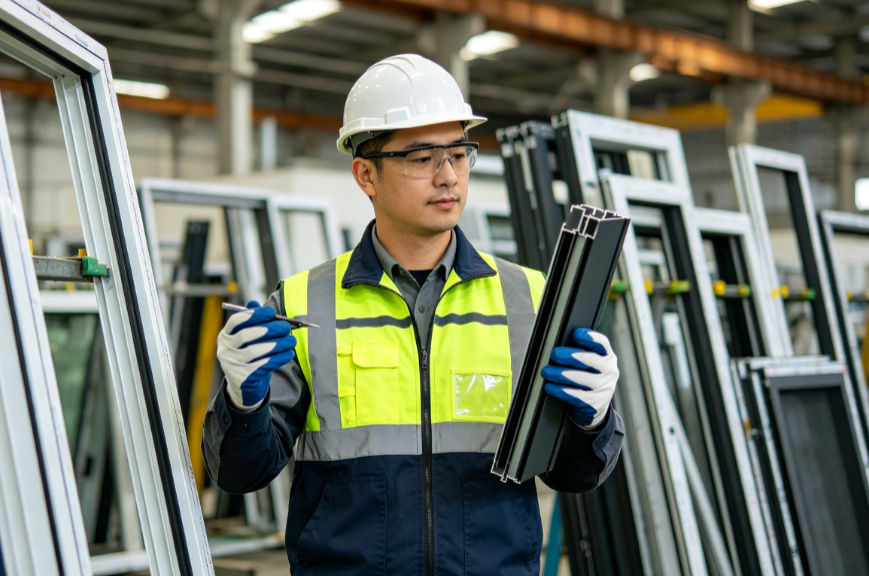
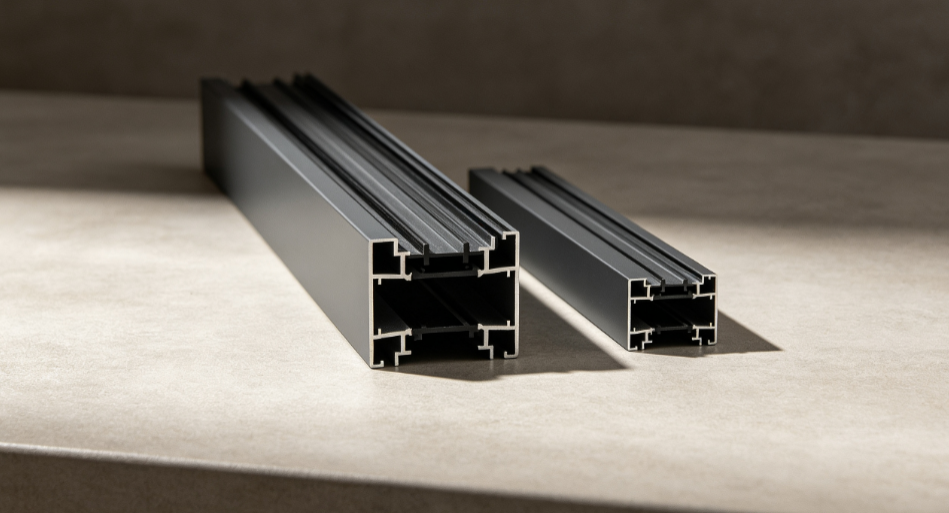
6063-T5 aluminum alloy belongs to magnesium silicon alloy, which has excellent extrusion forming performance. It can process multi-cavity, high-precision thickened profile structure, uniform wall thickness and accurate size, which can perfectly meet the complex structure design requirements of high-rise doors and windows. After the alloy is formed, the surface is flat and smooth, and there are no defects such as pores and cracks. It is suitable for various surface treatment processes such as anodizing and spraying. The thickened profile after forming has high face value and good texture, and meets the decoration requirements of the facade of high-end high-rise buildings.
Balanced Strength and Durability Combined Performance
6063-T5 aluminum alloy after artificial aging treatment, moderate strength and hardness, not only can meet the high-rise thickened profile wind pressure, deformation resistance requirements, but also retain good toughness, can avoid the brittle crack, fracture and other problems, adapt to high-altitude complex stress conditions. This alloy has excellent atmospheric corrosion resistance, is not easy to oxidize and rust in high-altitude environment for a long time, and has a thickened structure design to greatly improve its service life.At the same time outstanding cost-effective, is the high-rise doors and windows thickening profile of the best universal material.
Controllable Residual Stresses and Stability
Compared with T6 heat treatment process, 6063-T5 profile has lower residual stress, less deformation and warpage after processing, excellent size stability, and meets the high-precision installation requirements of high-rise doors and windows. The structural state of the profile is stable after leaving the factory, and the stress release deformation will not occur with the use of time. It can ensure the regularity of the door and window frame for a long time, and the sealing and bearing performance always meet the design standards.
How to Choose the Right Thickness for High-Rise Door and Window Aluminum Profiles
Determination of Foundation Thickness Standard According to Building Conditions
Building height and regional climate are the core basis for selection. 1.2 to 1.4mm profiles can be used for low-rise buildings, and no less than 1.6mm is recommended for high-rise buildings above 10 floors. 1.8 to 2.5mm thickened profiles are required for coastal typhoons and super high-rise areas to adapt to high wind pressure. load. Building facade corner, windward side doors and windows bear more force, need to choose thicker profiles, leeward side can be appropriately adjusted thickness.At the same time, large glass, floor-to-ceiling doors and windows need to increase the thickness of profiles to avoid deformation and damage caused by weight and wind superposition.
Follow Industry Specifications to Optimize Selection Options
The domestic door and window industry specification is clear, the minimum wall thickness of the high-rise load-bearing main profile is not less than 1.4mm, and the high-frequency stressed components such as the outer window and the entrance door need to reach more than 1.8mm in wall thickness, and the selection needs to strictly comply with the national standards and local building specifications. The selection should be combined with the cavity structure of the profile, alloy material, hardware matching comprehensive judgment, not a simple thickening profile.It is necessary to balance structural safety, face design and cost budget through professional structural checking, and select the optimal thickness scheme for the appropriate project.
Differential Selection According to the Opening Form of Doors and Windows
The stress of doors and windows with different opening methods is very different. The wind force of outward opening window and sliding window is more complex, and the swing amplitude of movable fan is large. It is necessary to select thickened profiles of 1.8mm and above to avoid the risk of shaking deformation. Fixed windows and inner windows are relatively stable in force, and profiles with appropriate thickness can be selected on the basis of specifications. Through differential selection, safety of doors and windows, structural stability and project economy can be considered.
Combined Glass Specifications Match Profile Thickness
Insulating glass, laminated glass weight is much higher than ordinary glass, large-scale heavy glass must be matched with thick profiles, to avoid insufficient frame bearing capacity, long-term sag, deformation, glass stress unequal problems. The larger the glass area, the more layers, the profile wall thickness selection needs to be improved, through the scientific matching of profiles and glass, to ensure the overall structure balance of doors and windows, stable performance, and eliminate potential safety hazards.
Conclusion
Thickened aluminum profile is the core door and window material suitable for complex working conditions of high-rise buildings, which can effectively solve various problems such as high altitude wind pressure, deformation, leakage, energy consumption, etc., taking into account safety, durability, energy saving and aesthetic effects.With 6063-T5 high-quality alloy and scientific thickness selection, it can maximize the performance of doors and windows and create a long-term stable enclosure barrier for high-rise buildings.
Henan Retop Industrial Co., Ltd. Will Be There Whenever Wherever Whatever You Need

 Better Support for Large-Sized Glass Panels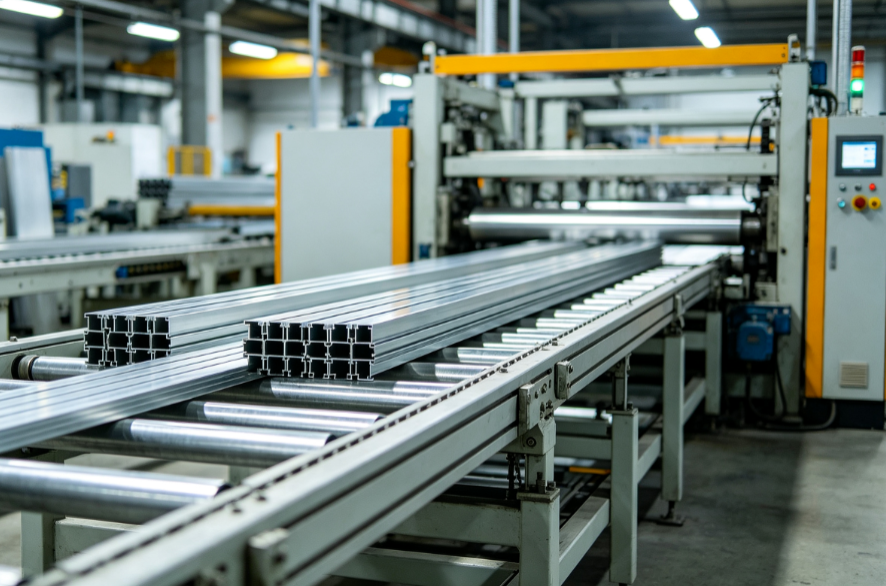
 Why 6063-T5 Aluminum Alloy Is Commonly Used for Thickened Profiles