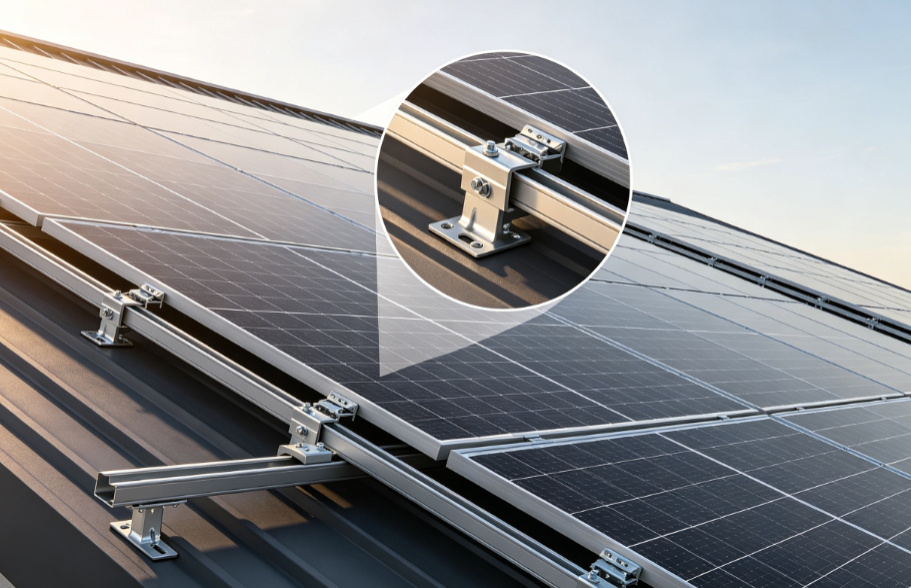
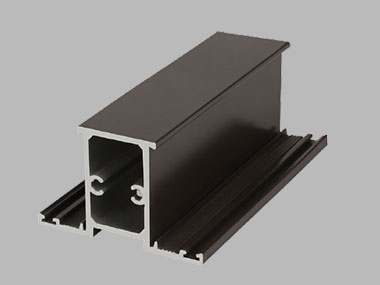
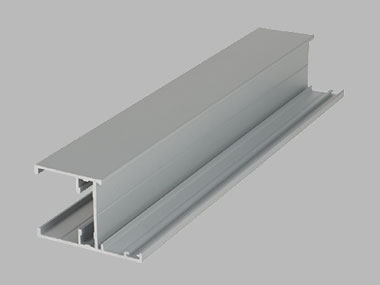
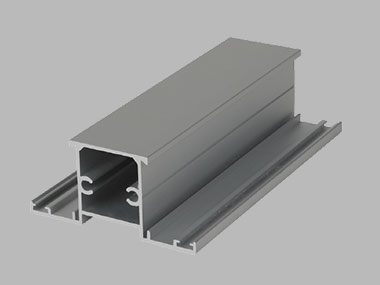
Solar bracket aluminum profile is the core load-bearing component of photovoltaic power station, which directly determines the stability and service life of photovoltaic system.In 2026, the photovoltaic industry will be upgraded iteratively, and the profile materials, processes and selection standards will continue to be optimized.This article comprehensively explains its definition, advantages, categories, alloy selection and other core contents, providing professional reference for industry practitioners.
What Are Solar Mounting Aluminium Profiles?
Core Definitions and Basic Attributes
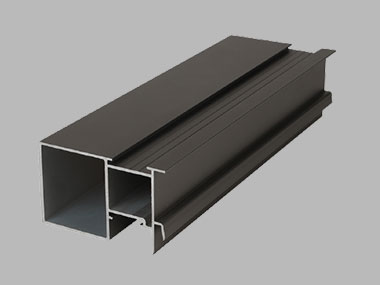
Solar bracket aluminum profile is a special aluminum alloy structural fitting made by precision extrusion process, which is suitable for household, industrial and commercial and large-scale photovoltaic power station installation.It is also called solar rail and bracket profile in the industry, which is an indispensable core basic component of the whole photovoltaic bracket system. This kind of profile has been professionally matched and processed, which has both lightweight characteristics and excellent structural strength, and can firmly hold various photovoltaic modules.It can adapt to complex outdoor installation scenarios, and its comprehensive performance far exceeds that of traditional steel and wood support materials.
The Central Role in Photovoltaic Systems
PV modules are easily affected by natural environment such as strong wind, snow, temperature difference between day and night, and there is a risk of loosening, deformation and even damage.The aluminum profile bracket can build a complete and stable support system, firmly fix the photovoltaic module, and avoid potential safety hazards. It can accurately adjust the installation inclination and arrangement spacing of photovoltaic panels, and optimize the ventilation and heat dissipation environment at the bottom of the module.It can not only effectively improve the photoelectric conversion efficiency of photovoltaic system, but also greatly extend the service life of the whole set of equipment.
Why Aluminium Is the Preferred Material for Solar Mounting Systems
Lightweight High Strength
6005-T5, 6063-T5 aluminum alloy for photovoltaic has excellent comprehensive performance, structural strength comparable to ordinary steel, but its weight is only one third of steel.This feature perfectly solves the pain point of the traditional steel bracket industry, which is heavy in weight and cumbersome in installation. Lightweight aluminum profiles do not require load-bearing reinforcement of the roof and can greatly simplify the foundation construction design of ground power stations.It can effectively shorten the project construction cycle, reduce labor and equipment investment, and reduce the overall construction cost.
Corrosion Resistance and Long-term Performance
Outdoor photovoltaic brackets are exposed to the natural environment all the year round, and they need to continuously resist ultraviolet rays, rain, salt fog and temperature difference erosion, and the weather resistance requirements are extremely high.Aluminum alloy with self-healing oxidation protection layer, can eliminate corrosion, aging and other problems from the root. After anodizing, powder spraying and other surface treatment, the corrosion resistance and weather resistance of the profiles are further upgraded.It can operate stably in harsh environments such as coastal, desert and high humidity for a long time without frequent maintenance.
Very Strong Thermal Properties
The thermal expansion coefficient of aluminum alloy is highly matched with that of photovoltaic silicon plate, and synchronous expansion deformation can be realized in the face of temperature difference between day and night.Effectively avoid the stress generated at the connection parts of the components, and eliminate the failure problems such as cracking of photovoltaic panels and loosening of fixtures. Aluminum has excellent thermal conductivity, which can quickly channel the accumulated heat generated during the working process of photovoltaic modules.It helps components dissipate heat efficiently, stabilizes photoelectric conversion efficiency, and improves the operating stability of the entire photovoltaic system.
Green Low Carbon Sustainable Properties
Aluminum alloy is a green material that can be recycled indefinitely. The energy consumption of recycling production is only 5% of that of primary aluminum, and the carbon emission is extremely low.The material properties are highly consistent with the core development concept of low carbon and environmental protection of photovoltaic new energy. At present, mainstream profile manufacturers use recycled aluminum to produce photovoltaic brackets on a large scale, further reducing the carbon footprint of the project throughout its life cycle.It can help photovoltaic projects successfully pass green certification and help the industry achieve carbon neutralization goals.
Design and Cost Advantages
Relying on mature aluminum extrusion technology, we can customize the integrated profile with T-type installation groove, cable routing groove and grounding structure.No need for complicated accessories, you can achieve rapid assembly, greatly improve the efficiency of field installation. Standardized and modular profile design, suitable for roof, ground, carport and other photovoltaic installation scenarios.The early procurement cost is moderate, the later maintenance and replacement are convenient, and the cost performance of the whole life cycle is far superior to other materials.
Industry Certification Standards
Aluminum alloy photovoltaic bracket has passed IEC, UL, ASCE and other international authoritative standards testing certification, structural safety and long-term stability has been recognized by the global industry.Mainstream photovoltaic enterprises at home and abroad give priority to this material bracket. After decades of market verification, aluminum profile brackets can be adapted to all scenarios such as small household arrays, industrial and commercial power stations, and large-scale ground photovoltaic projects.It is currently the most recognized and widely used stent main material in the photovoltaic industry.
Common Types of Solar Mounting Aluminium Profiles
Standard Rectangular and T-groove Rail Profiles
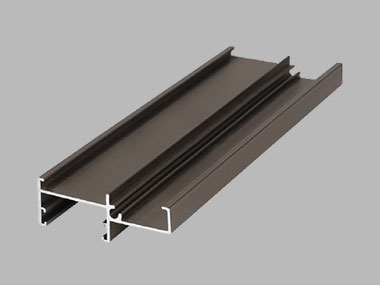
Standard rectangular and T-groove guide rails are the most common basic profiles for photovoltaic industry applications, with regular cross-section and continuous T-groove installation.Flexible adjustment of fixture installation position to adapt to most specifications of PV modules in the market. This type of material integrates special grounding channel and cable routing structure, which is convenient to install and has balanced and stable load-bearing performance.Widely used in household roof, industrial and commercial flat roof and small and medium-sized ground photovoltaic power station projects.
C and U Channel Profiles
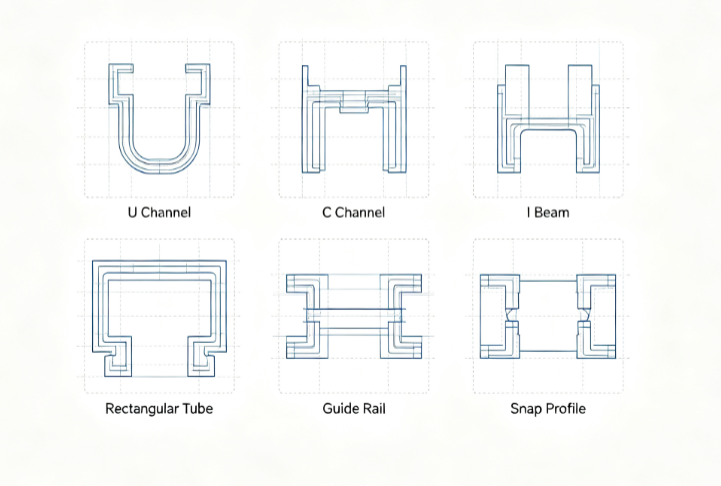
C-type and U-type groove profiles adopt open exclusive section design, which has strong overall torsional rigidity and longer effective support span.It can withstand high intensity snow load, and the overall stability of the structure is outstanding. This kind of profile is often used as the main support beam, suitable for large-scale ground photovoltaic power station, photovoltaic shed, agricultural light complementary projects.It can perfectly meet the installation requirements of large-span and high-load photovoltaic projects.
Cap-type (Ω type) Profiles
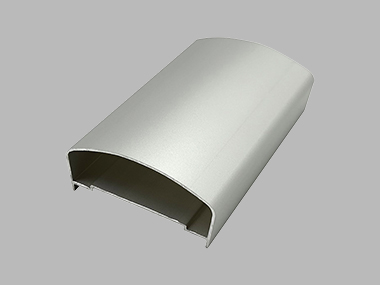
Cap-shaped Ω profile has high appearance recognition, which can effectively raise the bottom space of photovoltaic modules after installation to form a good ventilation and heat dissipation area.Common problems such as roof ponding and component heat accumulation can be avoided from the root. The overall lightweight design of the profile, the fitting installation will not damage the roof waterproof and structural layer.Adapt to all kinds of inclined roof, flat roof scene, especially in rainy and high temperature areas.
I-shaped and H-shaped Aluminum Beam Profiles
I-shaped and H-shaped aluminum beams draw lessons from the mechanical design principle of steel structure, with extremely high bending strength, excellent deformation resistance and impact resistance.It can realize ultra-long unsupported span installation and adapt to various large-scale photovoltaic engineering scenarios. This type of high-strength profile is specially adapted to ground power stations and intelligent photovoltaic tracking systems in windy areas.It can effectively resist the impact of extreme weather and ensure the long-term stable and safe operation of large-scale photovoltaic equipment.
Customized special Profiles
Customized special profiles include micro short guide rails, special profiles for tracking brackets, special profiles for double-sided components and other sub-categories.Targeted adaptation to all types of new photovoltaic equipment and special installation scenarios. At the same time, there are special categories such as water photovoltaic anti-corrosion profiles, agricultural light complementary profiled profiles, etc., which can customize the structure and performance parameters according to the project requirements.All-round to meet the diversified, personalized photovoltaic engineering construction needs.
Which Aluminium Alloys Are Best for Solar Mounting Profiles?
6005-T5
6005-T5 alloy is the main general material in photovoltaic industry, giving consideration to high strength and excellent extrusion performance, excellent fatigue resistance and wind pressure resistance.The overall comprehensive performance is balanced and stable, adapting to the working conditions of most photovoltaic projects. The alloy has good corrosion resistance, spraying adaptability and welding performance, and good processing and forming effect.Widely used in all kinds of ground power stations and industrial and commercial photovoltaic projects to meet the long-term outdoor service needs.
6063-T5/T6
6063-T5/T6 alloy extrusion formability is excellent, can process high-precision, complex cross-section profiles, finished surface finish is high.It has good decoration and adaptability, and the production cost is more advantageous. The alloy has light weight and moderate strength, which fully meets the use requirements of light photovoltaic systems.It is mainly used for household roof and light flat roof photovoltaic projects to meet the construction needs of low load and high cost performance.
6061-T6
The tensile strength and hardness of 6061-T6 alloy are much higher than those of conventional photovoltaic aluminum alloy, and the machinability is excellent.Anti-deformation, anti-impact ability is very strong, suitable for high-intensity stress conditions. It is often used as a core load-bearing structure for large-scale photovoltaic sheds, ultra-long span supports and power stations in high wind pressure areas.It can effectively deal with extreme loads and complex stress scenarios to ensure structural safety.
Surface Treatments That Improve Outdoor Performance
Anodizing
Anodic oxidation is a standard protection process in the photovoltaic profile industry, which modifies the surface structure of aluminum by electrochemical means.Can produce dense and thickened oxidation protective film, adhesion is very strong, not easy to fall off damage. The process is divided into two categories: Type II conventional oxidation and Type III hard oxidation, and the conventional outdoor scene adapts to Type II process.Extreme harsh environment can choose thickened hard oxidation, all-round protection profile corrosion performance.
Powder Spray Treatment
Powder spraying adopts electrostatic adsorption process, special weather resistant powder is attached to the surface of profile, and uniform protective layer is formed after high temperature curing.Rich colors, delicate texture, both protective and beautiful. High-quality outdoor weather resistant powder can effectively resist ultraviolet aging, rain erosion, prevent profile fading, peeling off.Especially suitable for exposed and visualized PV support scenes such as roofs and carports.
PVDF Fluorocarbon Coating
PVDF fluorocarbon coating is a high-end anti-corrosion protection process, with top weather resistance, acid and alkali resistance, anti-aging performance.Salt spray resistance, anti-sand wear ability far more than conventional spraying and oxidation process. The coating service life can reach decades, the stability is very strong, mainly used in coastal high salt fog, desert strong sand and other harsh environments.Provide all-round durable protection for high-end long-term photovoltaic projects.
How to Choose the Right Solar Mounting Aluminium Profile
Match on-site Structural Load Requirements
The selection of photovoltaic support aluminum profiles should first match the on-site load requirements, and strictly refer to local building codes to calculate wind pressure, snow pressure and seismic loads.Alloy materials and profile sections corresponding to strength are selected according to load class. In areas with high loads and frequent extreme weather, 6005-T5 and 6061-T6 high strength profiles and thickened section specifications are preferred.Effectively avoid safety risks such as bracket deformation and collapse, and ensure stable operation of the system.
Fitting Bracket System Installation Type
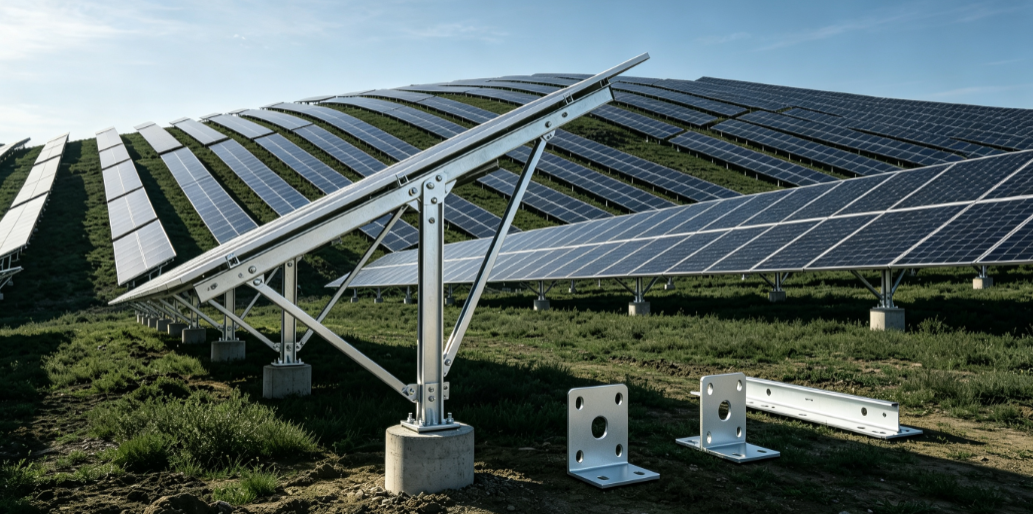
Different PV installation systems are suitable for special profile categories, sloping roof, flat roof fixed PV system, suitable for conventional T groove guide rail and hat profile.Lightweight structure, flexible installation, fitting roof installation characteristics. For photovoltaic tracking system, large-scale car shed and ground power station projects, I-beam, C-groove and other heavy-duty profiles shall be preferred.It can meet the dynamic operation and large-span load-bearing requirements and ensure long-term stability.
Focus on Product Compatibility and Certification
Focus on profile compatibility and compliance certification when selecting models, and give priority to products with standardized card slots, integrated wiring and grounding structures.Adaptable to mainstream PV modules and fixture accessories, with strong versatility. Be sure to check whether the product has UL, IEC and other international authoritative certifications to ensure compliance with industry standards and local codes.All-round guarantee of PV project compliance and long-term operation safety. Balancing project budgets with full cycle costs Profile selection can not only pay attention to the initial purchase of low-cost, low-quality low-cost profiles prone to aging, deformation, corrosion and other problems.The late operation and maintenance and replacement costs are extremely high, which reduces the overall income of the project. Although the investment in the early stage of high-quality profiles is slightly higher, the structure is stable, the weather resistance is strong, the service life is long, and the operation and maintenance cost is low.Comprehensive life cycle accounting, cost-effective far ultra-low quality products.
Selection of Quality Brands and After-sales Guarantee
Selection should give priority to the selection of experienced, well-reputed regular profile manufacturers, carefully check the enterprise test report, qualification certificate and past engineering cases.Effectively avoid project risks caused by non-standard inferior products. Focus on product warranty life and after-sales technical support, high-quality brands can provide 10 to 25 years of long-term warranty.It provides a solid guarantee for the long-term stable operation of photovoltaic projects.
Key Manufacturing Standards and Quality Requirements
International Standard for Structural Mechanical Properties
UL 2703 and IEC 62817 are the core international standards for photovoltaic brackets, which strictly regulate the core performance indicators such as load bearing, grounding, wind resistance and snow resistance.Ensure the safety and reliability of the support structure from the standard level. Standards such as ASCE and European Building Code are mainly used to guide load calculation and structural optimization design of photovoltaic profiles.Ensure that profiles adapt to different countries and regions of the working conditions and building code requirements.
Aluminum Material and Size Standard
EN 755 and ASTM B221 strictly control the chemical composition, mechanical properties and production size tolerance of photovoltaic profiles.All-round guarantee aluminum material pure, stable performance, accurate size. EN 573 standard specifies the grades and ratio specifications of various types of photovoltaic aluminum alloys.Put an end to the adulteration of miscellaneous materials and waste materials, and strictly control the quality of products from the source of raw materials.
Surface Treatment Specification
Anodic oxidation process shall comply with ISO 7599 and Qualanod industry standards, and strictly control the thickness and surface uniformity of oxide layer.Ensure that the profile corrosion performance standards, no peeling, oxygen leakage and other quality defects. Powder spray, fluorocarbon coating shall comply with Qualicoat, ASTM B117 salt spray test standards.Through professional testing to verify the product weather resistance, corrosion resistance, anti-aging ability, to ensure outdoor stability.
TÜV certification, CE certification and MCS certification are the mainstream authoritative qualifications for photovoltaic profiles, and the recognition covers the major photovoltaic markets in the world.Products with relevant certification can be adapted to all kinds of photovoltaic project construction at home and abroad. At the same time, the products must meet RoHS and REACH environmental protection standards to prevent the precipitation of harmful substances.It meets the green and low-carbon construction requirements of new energy projects and improves project compliance.
Solar Mounting Trends in 2026
Low Carbon Cycle Production Becomes Mainstream
The double-carbon policy and ESG assessment have been fully implemented, and the market penetration rate of low-carbon recycled aluminum profiles has been continuously improved.Major manufacturers have laid out green and low-carbon production processes. The low-carbon profile with traceable whole process can help photovoltaic projects obtain various green certifications.Effectively enhance the market competitiveness and environmental protection value of photovoltaic projects.
Multi-scene Customization Profile Expansion
The rapid development of new scenarios such as photovoltaic tracking system, water photovoltaic, agricultural light complementary, etc. drives the iterative upgrading of special customized profiles.Accurately adapt to the use requirements of various subdivision scenarios. The new profile structure meets the special requirements of dynamic tracking, water corrosion prevention, agricultural lighting and so on.Continue to broaden the application scenarios and market boundaries of photovoltaic products.
Digital Intelligent Manufacturing Precision Energizing
AI design, digital twinning and automatic production lines are widely used, which can accurately optimize the structural parameters of profiles according to project conditions.Achieve customized, high-efficiency and high-precision production. Digital production greatly improves product accuracy and scene adaptation, and reduces redundant consumables waste.Give consideration to product performance and overall project economy.
Conclusion
In 2026, solar bracket aluminum profiles will develop steadily in the direction of lightweight, modularity, low carbon, and high weather resistance, which is the core guarantee for the stable operation of photovoltaic systems.Reasonable selection of alloy, process and profile categories, strict compliance with industry standards, can effectively improve the cost performance and service life of photovoltaic projects, to meet the long-term development needs of the industry.
Henan Retop Industrial Co., Ltd. Will Be There Whenever Wherever Whatever You Need

.png) Surface Treatments That Improve Outdoor Performance
Surface Treatments That Improve Outdoor Performance