Aluminum Profiles for Construction and Industry: A Complete Guide
Date:2026-07-09
View: 1696 Point
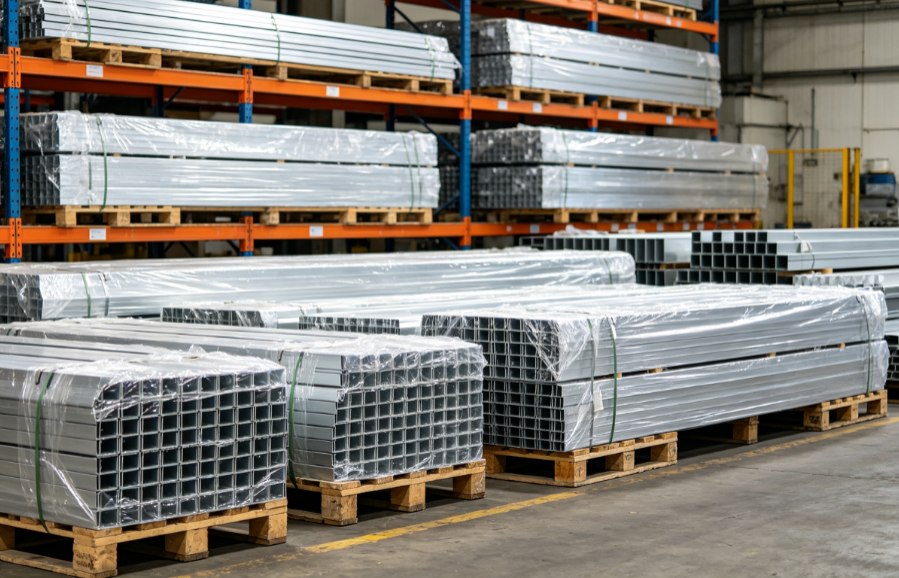
Aluminum profile is a new alloy structure material with both lightweight and high strength. Relying on multiple core advantages such as corrosion resistance, easy processing and recyclability, aluminum profile is widely used in many core fields such as architectural decoration, industrial manufacturing, new energy and transportation. With its strong adaptability and comprehensive performance, it has become an indispensable basic material for modern engineering construction and intelligent manufacturing.
What Are Aluminum Profiles?
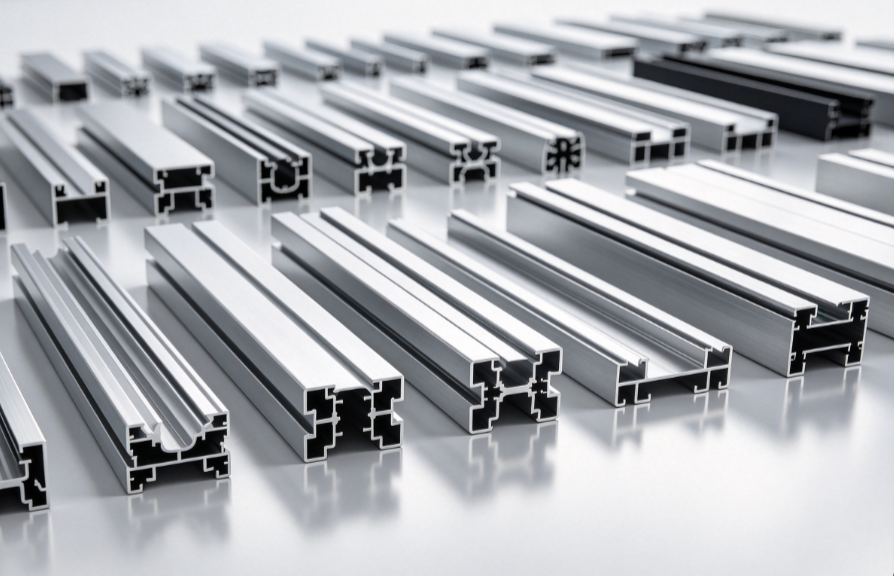
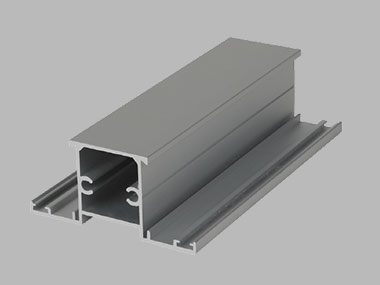
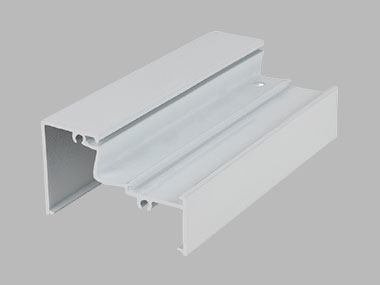
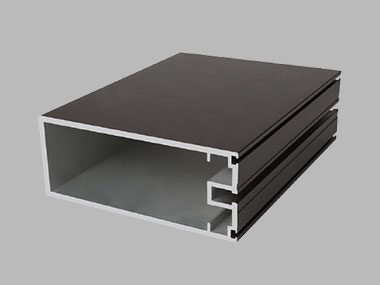
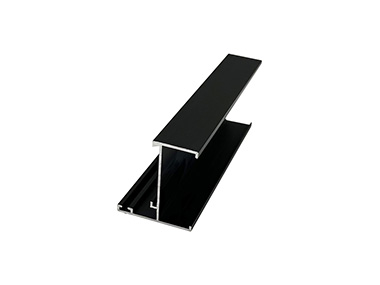
Aluminum profiles are also often referred to as aluminum extrusion profiles, which are standardized structural components made of aluminum alloy as the substrate and processed by high temperature extrusion molding process. The overall section specifications are regular and unified, and the shape design is extremely flexible. Compared with traditional steel, it takes into account both lightness and structural stability, and adapts to the industrial processing and assembly requirements of multiple scenarios. The material relies on customized precision die extrusion molding, which can flexibly create solid, hollow, irregular and other special section structures, which can accurately match the differentiated engineering construction and product design requirements. As the core substrate of modular assembly, it effectively simplifies the construction process and improves the overall assembly efficiency and structural regularity.
Why Aluminum Profiles Are Widely Used Across Industries
Light High-strength
Aluminum profiles have ultra-high strength to weight ratio, as a lightweight core structural material, light weight without weakening the overall load-bearing performance. When it is used in buildings and various equipment construction, it can greatly reduce the bearing pressure of the main body and simplify the operation difficulty of field construction. Aluminum has its own original self-healing oxide layer, which can resist oxidation corrosion for a long time and does not require frequent maintenance. Even if it is placed in harsh environments such as coastal, industrial corrosion and outdoor exposure for a long time, its service life is far superior to ordinary metals.
Flexible Molding Process
Hot extrusion technology can be integrated to create precision complex special-shaped sections, card slots, bayonet and other functional structures directly molded. A large number of secondary machining steps are eliminated, production hours are reduced, and overall construction costs are reduced from the source. Aluminum thermal conductivity, electrical conductivity is very outstanding, suitable for heat sinks, electrical cabinets and other special parts. With anodizing, powder coating a variety of surface technology, while giving consideration to practical protection and decorative beauty.
Can Be Recycled
Aluminum alloy can be 100% recycled and reprocessed, with low production energy consumption and minimal pollution in the production process. The selection of this material can help enterprises complete ESG assessment and meet various green building material selection specifications. Aluminum profile cutting, drilling, splicing processing threshold is low, most assembly scenes do not need welding operations. It can quickly complete the construction and transformation of racks and building components, and adapt to flexible and changeable construction schemes.
Convenient Assembly
Standardized profile splicing is simple, disassembly and transformation is flexible, and the layout of equipment production line can be adjusted at any time. Factory and construction site can quickly complete assembly operations, greatly improving the overall construction efficiency. Various surface treatment schemes can be freely matched to strengthen corrosion resistance, wear resistance and decoration effect as required. Covering multi-dimensional scenarios such as buildings, industry and new energy, the comprehensive adaptation range is wide.
Types of Aluminum Profiles for Construction and Industrial Applications
Classification by Sectional Structure
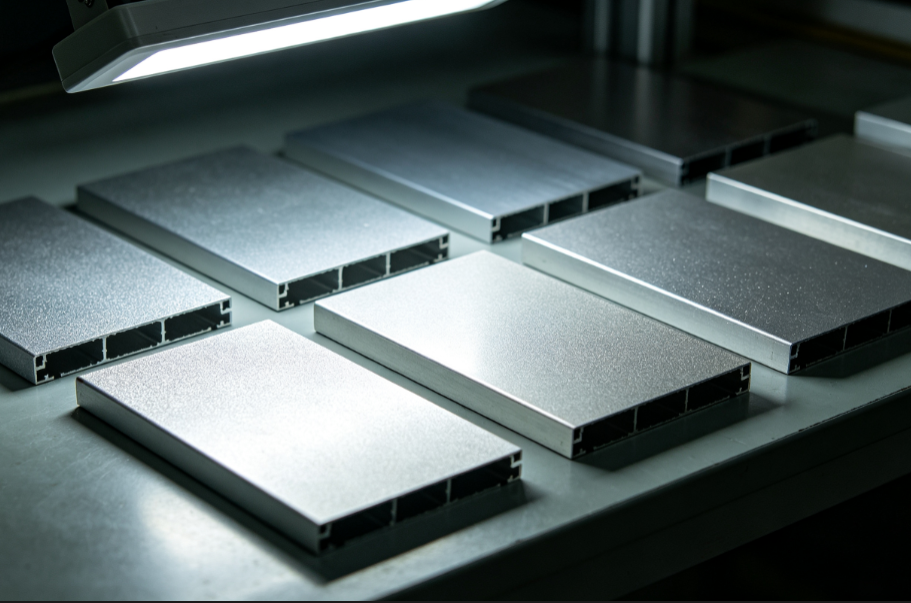
Solid aluminum profile: full and dense section, strong structural integrity, outstanding rigidity and static bearing capacity, excellent deformation resistance and impact resistance. It is mainly used in heavy load-bearing brackets, solid load-bearing members, equipment main load-bearing structures and other high-strength load scenarios. Hollow profile: With hollow closed structure, under the premise of ensuring the stability of the basic structure, the weight of the profile is greatly reduced, and the anti-distortion and anti-deformation properties are excellent. It is widely used in lightweight construction scenarios such as building frames, equipment pipes, and light support structures, with extremely high cost performance. Semi-hollow profiles: combine the dual advantages of solid and hollow profiles, moderate structural strength, light weight, accurate balance of bearing capacity and material consumption. It is specially adapted to medium load and fine component processing scenarios, and is the preferred material for small and medium-sized projects and precision equipment.
Category by Usage Attribute
Standard profiles: general industry stereotypes, standardized size parameters, strong versatility, sufficient stock in the market, high procurement cost performance. It can adapt to the general scene of most conventional building decoration and ordinary industrial equipment construction, without custom mold opening. Custom profiles: special mold production is required, special sections, integrated special structures and high-precision parameters can be designed according to project requirements. It can meet the needs of niche, professional and high-precision special projects, and adapt to personalized engineering and customized equipment production.
Aluminum Alloys Commonly Used for Profiles
6000 Series
6063 Aluminum Alloy
6063 is recognized as a special alloy for construction, excellent high temperature extrusion molding performance, molding profile surface smooth and delicate, no obvious defects. Coloring, oxidation, spraying adaptability is excellent, can easily achieve all kinds of appearance decoration effect, decoration attributes full. The alloy has excellent corrosion resistance and oxidation resistance, strong modeling plasticity, and regular and beautiful appearance of molded products. Widely used in building doors and windows, exterior wall curtain wall, indoor and outdoor decorative profiles, building exposed components and other building decoration scenes.
6061 Aluminum Alloy
Compared with 6063, 6061 has greatly improved structural strength, hardness and stability, and excellent machining and welding performance. It can withstand large loads and mechanical external forces, and adapt to various heavy-duty and high-strength industrial structure use scenarios. After T6 professional heat treatment process, the internal structural stress of the profile is completely released, and the overall stability and deformation resistance are significantly upgraded. It is the core material of industrial load-bearing frame, traffic accessories and main load-bearing structure of equipment.
6082 Aluminum Alloy
The comprehensive strength of 6082 is better than 6061, and the structural stability of thick-walled profiles is stronger, and the impact resistance and fatigue resistance are outstanding. It is specially adapted to industrial scenes with high load and high severity such as heavy industry equipment, marine engineering and large load-bearing structures.
6005 Aluminum Alloy
6005 series alloy performance balance, give consideration to excellent extrusion molding performance and moderate structural strength, suitable for complex profile processing. It is mostly used for building and industrial components with medium load and complex shape, and its adaptability is very wide.
Niche Special Aluminum Alloy
5052, 5083 aluminum alloy main super salt spray resistance, seawater corrosion resistance, moisture resistance, corrosion resistance far beyond the conventional 6 series alloy. It is the exclusive material for coastal buildings, marine equipment, ship accessories and other high corrosion special conditions. 7075 aviation grade alloy has the industry's top structural strength and hardness, load bearing, impact resistance is extremely strong. However, extrusion molding is difficult and processing cost is high. It is only used in niche high-end scenes such as aviation parts and high-end precision load-bearing parts.
Surface Treatments That Improve Aluminum Profile Performance
Anodizing Process
Anodic oxidation is a classical electrochemical surface treatment process. A compact and stable primary oxide layer is formed on the surface of aluminum by electrolytic reaction. The oxide layer is integrated with the substrate, and the adhesion is very strong, and there will be no quality problems such as peeling, peeling, and delamination. After treatment, the surface hardness of the profile is greatly improved, and the scratch resistance and wear resistance are excellent. It can be dyed and colored according to needs. At the same time, it retains the high-grade original metal texture of aluminum, outdoor weather resistance, stable anti-aging performance, and adapts to various exposed use scenarios.
Powder Spraying Process
Powder spraying adopts electrostatic dry coating technology, solvent-free, pollution-free, charged powder evenly adsorbed on the surface of the profile, forming a full and smooth coating, uniform thickness. Color, texture, gloss optional range is very wide, decorative plasticity is very strong. Spray-formed coating has compact structure, excellent corrosion resistance, impact resistance, wear resistance and aging resistance, and can resist outdoor environmental corrosion for a long time. No VOC harmful emissions, green environmental protection, widely suitable for outdoor building components and various industrial equipment profiles.
Liquid Spray and Electrophoresis Technology
Liquid paint spray color flexibility is extremely high, can customize all kinds of niche special colors, to meet the needs of personalized appearance design. However, the adhesion and durability of the coating are weak, and the anti-aging and corrosion resistance are not as good as the high-end powder spraying process. Electrophoretic coating can realize all-round coating of profiles, corners, gaps and dead corners without omission, fine and uniform coating, high texture.High process precision, less defects, mostly used for high-end precision aluminum profiles, high-end architectural decoration components processing.
Mechanical and Chemical Auxiliary Processes
Mechanical surface processes such as wire drawing, polishing, and sandblasting can refine and optimize the surface texture and fineness of the profile and remove processing defects. Effectively improve the overall decoration texture of profiles, adapt to the appearance requirements of high-end home decoration, light luxury buildings and precision equipment. Chemical conversion coating is an important pretreatment process, which can refine and optimize the surface structure of aluminum and improve the surface roughness. It can effectively enhance the adhesion firmness of subsequent coatings and glues, and lay a solid foundation for subsequent surface treatment processes.
Major Applications of Aluminum Profiles
Architecture and Decoration
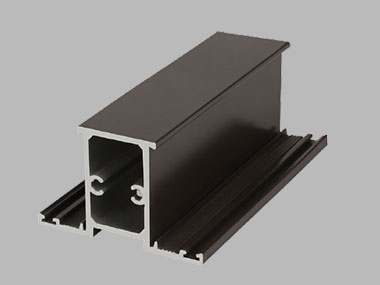
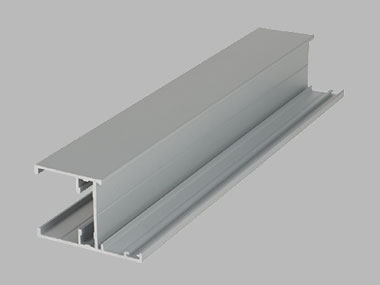
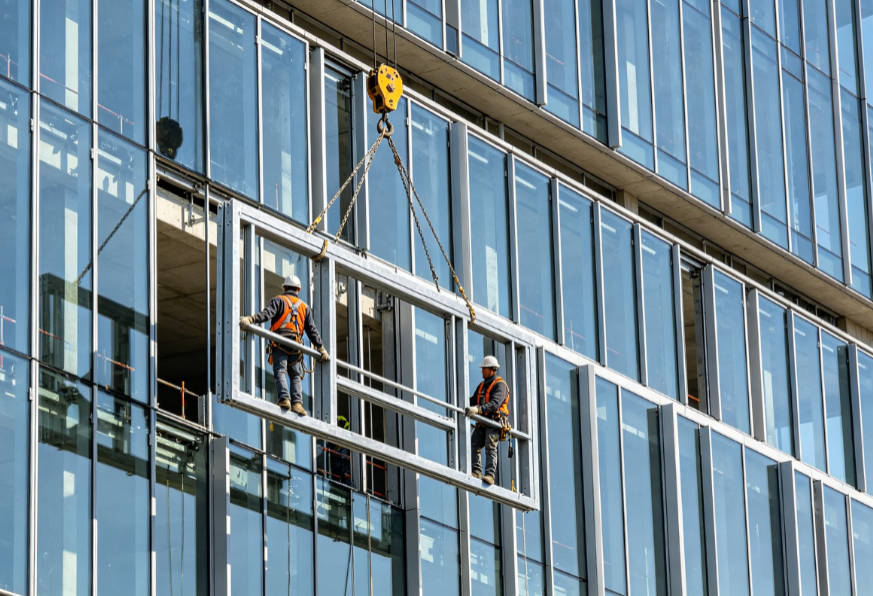
Aluminum profile is the core basic material of modern building engineering, widely used in building doors and windows, exterior wall curtain wall, sunshade system, indoor partition, balcony guardrail and other building components. Covers the whole scene of home improvement, tooling, commercial buildings and public buildings. The profile is weather resistant and corrosion resistant, not easy to fade and deform, outstanding in appearance, and light in weight, which can effectively reduce the main load of the building. Adapt to all kinds of high and low end construction projects, long-term service stability, decoration adaptation effect is excellent.
Field of Industrial Automation
Modular industrial aluminum profiles are easy to assemble and have strong plasticity, which can quickly set up automatic equipment racks, operation workstations, conveying lines and safety protection devices. Assembly without welding, efficient construction, pollution-free, flexible transformation. The profile structure can be freely reconfigured and flexibly disassembled to adapt to the flexible, intelligent and normalized upgrading production mode of modern factories. It can quickly adapt to various production needs such as production line transformation, equipment renewal, workshop layout adjustment, etc.
Transportation and Automotive
Relying on the advantages of extreme lightweight, aluminum profiles are widely used in transportation fields such as battery frames of new energy vehicles, body structural parts, rail transit equipment, ship accessories, etc. Effectively replace heavy steel, realize lightweight upgrade of car body. While greatly reducing the dead weight of the vehicle body and reducing the energy consumption of driving, the overall structural strength and stability are strictly guaranteed. Comprehensively improve vehicle endurance and operation safety, adapt to the development trend of modern traffic lightweight.
New Energy Field
Photovoltaic support, wind power equipment shell, new energy supporting components, mostly made of weather-resistant aluminum profiles. It can adapt to outdoor exposure, wind and rain erosion and severe field service conditions with large temperature difference. Aluminum profiles have the characteristics of corrosion resistance, long life and recyclability, which perfectly fits the core concept of green, low carbon and sustainable development in the new energy industry. It is the core lightweight material in the field of new energy infrastructure.
Electronics and people's livelihood
Aluminum has excellent thermal conductivity and heat dissipation properties, making it the preferred material for electronic heat sinks, electrical cabinet housings, and precision electronic frames. It can quickly drain the running heat of the equipment and ensure the long-term stable operation of the electronic equipment without burning. At the same time, it is widely suitable for household profiles, commercial display cabinets, stage equipment and other livelihood products, giving consideration to high-value appearance, durability and high cost performance, with high penetration rate and recognition in the civilian market.
How to Choose the Right Aluminum Profile
Selection According to Structural Loads
In the early stage of selection, it is necessary to accurately calculate the static and dynamic load data of equipment and buildings, and predict the structural stress, bending torsion and vibration risks. Avoid structural deformation, collapse, damage and other safety hazards caused by insufficient bearing capacity of profiles. High-strength alloy and thick-walled profiles are preferred for heavy-load stress scenarios, and the rationality of key load-bearing structures can be verified by professional mechanical simulation. Strictly match the load requirements to ensure the long-term stability and safe service of the structure.
Selection Based on Alloy Properties
6063 alloy is preferred for architectural decoration and outdoor exposed scenes. The extrusion molding of profiles is smooth and delicate, and the surface technology adaptability is strong. It can fully meet the requirements of appearance decoration and basic weather protection standards. 6061 and 6082 high strength alloys are preferred for industrial heavy load, equipment load bearing and precision machining scenarios, relying on excellent structural strength and stability. Adapt to severe stress conditions, eliminate long-term use of deformation, loosening and other problems.
Selection according to section specification
Modular assembly, equipment splicing scene preferred to use standard T-slot profiles, lightweight span structure to adapt to hollow pipes, high strength heavy load scene to use solid section profiles. Match section types as needed to fit scene requirements. Standard profiles are preferred for general use, shortening the delivery cycle and reducing costs. For projects with special functions and special structure requirements, special sections can be customized to reduce secondary processing procedures and improve construction efficiency.
Selection According to the Use Environment
Indoor dry, non-corrosive, mild environment can choose conventional surface technology profiles, to meet the basic use. Outdoor open air, coastal salt fog, industrial pollution scenes, need to upgrade weather resistance, anti-corrosion exclusive surface treatment process. Special scenes such as high temperature operation, clean medical treatment, chemical corrosion, etc. require targeted matching of special profiles and functional surface processes. Accurately avoid loss problems such as environmental corrosion, high temperature aging, and dust pollution.
According to Machining Assembly Selection
The selection should match the processing requirements of later welding, drilling, bending and cutting in advance, and select the appropriate aluminum alloy grade. Ensure stable profile processing, not easy to crack, deformation, damage, adapt to processing technology. Modular batch assembly preferred industry standard specifications, hardware accessories strong adaptability, procurement convenience. It can greatly reduce the difficulty of parts procurement and effectively improve the overall assembly construction efficiency.
Custom Aluminum Profiles: From Design to Production
Custom Design Link
In the design phase, the section structure is optimized by CAD modeling combined with mechanical simulation, combining project size parameters, load standards, service environment and assembly requirements. All-round check profile stress, heat dissipation, assembly adaptability, avoid design defects. Strictly follow the aluminum extrusion process specifications to carry out structural design, to avoid uneven wall thickness, sharp corners, structural imbalance and other problems. Ensure smooth extrusion molding of profiles without deformation, cracking, defects and other Production Hazards. Die development and extrusion production Professional mold manufacturers customize high-precision special steel molds according to the final design drawings, and repeatedly check the mold size, flatness and structural accuracy. Ensure the extrusion molding size standard, regular structure, error controllable. Preheat aluminum rod to standard temperature in production stage, extrude it at constant speed through high-pressure equipment, and accurately control temperature and speed throughout the whole process. stabilize that internal mechanical property and appearance size of the profiles, and ensure uniform quality and no deviation of batch finished products.
Post-processing and Surface Treatment
Extruded profiles, cooling and straightening, length cutting, aging heat treatment, release internal stress. Effectively stabilize the structural mechanical parameters of profiles to avoid deformation problems in later use and processing. Precision machining, bending, welding, drilling and various surface treatment processes are carried out according to project requirements. All-round polishing optimizes profile performance and appearance, accurately matching project personalized use and decoration requirements.
Quality Inspection and Delivery Process
After the finished profile is processed, size inspection, mechanical property test and appearance inspection shall be carried out in turn, and the design standards and industry specifications of the standard project shall be strictly matched. Eliminate defective products and ensure that the finished products are 100% up to standard. Qualified finished products complete professional protective packaging, avoid transportation collision damage, delivery on demand. It can provide customized logistics, batch supply and after-sales technical services to ensure the smooth construction of the project.
Quality Standards and Testing for Aluminum Profiles
Chemical Composition Test
Through high-precision spectral detection equipment, accurately verify the internal element ratio of aluminum alloy, focusing on controlling the core element content of magnesium and silicon in 6 series aluminum. Ensure alloy composition standard, proportion balance, profile basic performance stability. Quality problems such as insufficient profile strength, poor extrusion molding and reduced corrosion resistance caused by alloy composition deviation shall be strictly eliminated. Control profile quality from raw material source to avoid batch performance defects.
Mechanical Property Detection
Normalize tensile, yield, hardness and impact resistance tests to comprehensively verify the bearing capacity, deformation resistance and damage resistance of profiles. Ensure the stability of profile stress and adapt to the load requirements of preset working conditions. Fatigue aging test shall be additionally carried out for profiles under long-term dynamic stress and repeated vibration conditions. Verify the structural stability of profiles under long-term repeated stress, and eliminate fatigue deformation and fracture hidden dangers in the later period.
Mechanical Property Detection
Normalize tensile, yield, hardness and impact resistance tests to comprehensively verify the bearing capacity, deformation resistance and damage resistance of profiles. Ensure the stability of profile stress and adapt to the load requirements of preset working conditions. Fatigue aging test shall be additionally carried out for profiles under long-term dynamic stress and repeated vibration conditions. Verify the structural stability of profiles under long-term repeated stress, and eliminate fatigue deformation and fracture hidden dangers in the later period.
Size and Appearance Inspection
Precision measuring instruments are used to detect the section size, straightness and flatness of profiles, and the tolerance range is strictly controlled. Ensure high fitting degree and seamless splicing of profiles to meet precision assembly requirements. Combined with manual visual inspection and instrument detection, comprehensively check the appearance problems such as scratches, uneven lines, color difference and coating defects on the surface of profiles. Ensure uniform appearance and regular texture of batch finished products.
Corrosion and Weather Resistance Testing
Through neutral salt fog, damp heat aging, ultraviolet accelerated aging test, accurately simulate outdoor wind and rain, exposure, salt fog and other harsh environments. Scientifically verify the corrosion resistance and anti-aging durability of profiles for long-term service. This test is the core acceptance project of building exterior wall, coastal engineering and new energy outdoor profiles, which directly determines the service life and engineering quality of profiles and is the key link of factory quality inspection.
Future Trends in Construction and Industrial Aluminum Profiles
Intelligent Integrated Profile Popularization
Intelligent integrated aluminum profiles are gradually popularized, and the profile body can integrate sensors, built-in wiring slots, intelligent monitoring modules and other accessories. Realize the integrated design of structural support, electrical matching and intelligent monitoring functions. Widely used in smart factories, smart buildings and smart city infrastructure scenarios, providing core material support for digital and intelligent upgrading of construction and industrial industries.
Advanced Manufacturing Technology Iteration
AI intelligent parameter adjustment, 3D printing composite extrusion and other new processes gradually put into mass production, greatly shortening the production cycle of customized profiles, effectively reducing the molding defect rate and production loss. Production accuracy is greatly improved. Automatic post-treatment production line is fully popularized, and the whole process of profile cutting, grinding, surface treatment and quality inspection is automated. Significantly improve the stability and consistency of profile processing accuracy and batch production.
Modular Customization Normalization
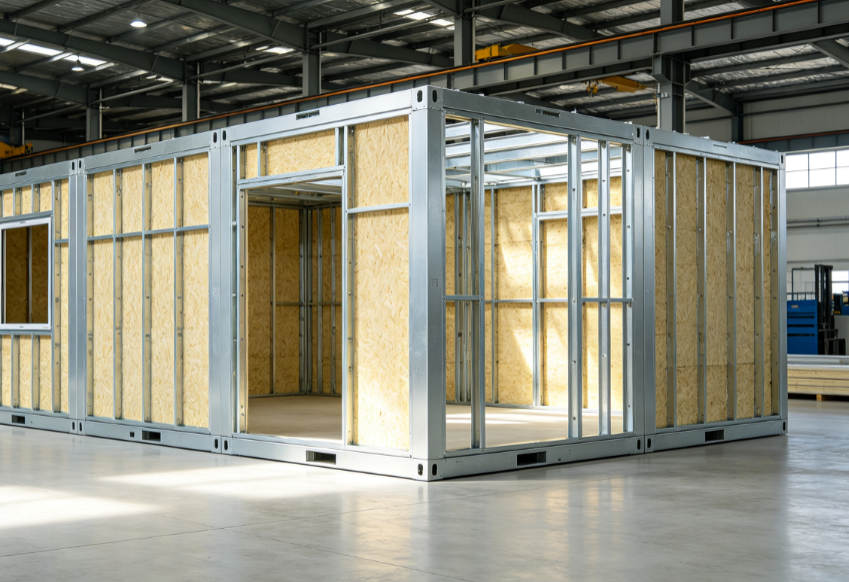
The industry standardized modular profile system continues to improve, with parametric rapid design mode, to achieve low-cost, high-efficiency customized production. Break down the barriers between standardization and customization. Accurately adapt to emerging scenarios such as prefabricated buildings, flexible production lines, modular infrastructure, etc., flexibly adapt to the needs of differentiated projects, and become the core direction of mainstream development of the industry.
Emerging Domain Scenario Expansion
The application scenarios of aluminum profiles continue to expand, and the penetration rate in emerging fields such as energy storage equipment, 5G equipment room infrastructure, prefabricated buildings and low-altitude equipment continues to increase. Emerging markets have huge growth potential. The industry continues to deepen various segmentation scenarios and optimize profile alloy ratios, structural design and surface processes in a targeted manner. Continue to explore new market space and promote diversified development of aluminum profile industry.
Conclusion
With the comprehensive advantages of lightweight, high strength, corrosion resistance, easy processing, customization and green environmental protection, aluminum profiles for construction and industry cover all fields such as construction, industry, new energy and transportation. It is an indispensable core structural material for modern infrastructure and intelligent manufacturing, which meets the needs of most engineering materials.
Henan Retop Industrial Co., Ltd. Will Be There Whenever Wherever Whatever You Need

 Major Applications of Aluminum Profiles