Henan Retop Industrial Co., Ltd

Position: Home > News

Aluminum CNC Parts: Advantages, Alloys, and Surface Treatments

Date:2026-05-11
View: 0 Point
Aluminum CNC parts have become core components in many industries due to their high precision and lightweight advantages, and this article provides a comprehensive analysis of their key features and application value.
What Are Aluminum CNC Parts?

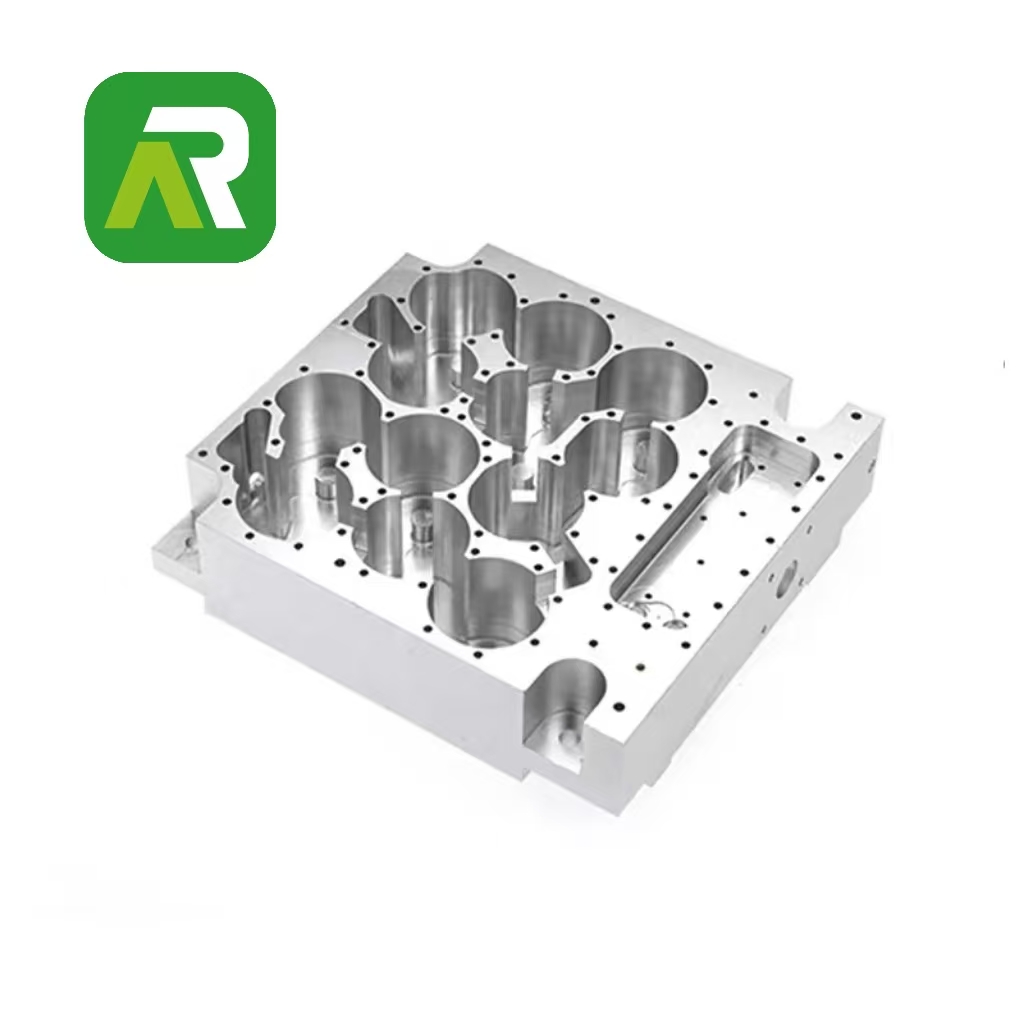
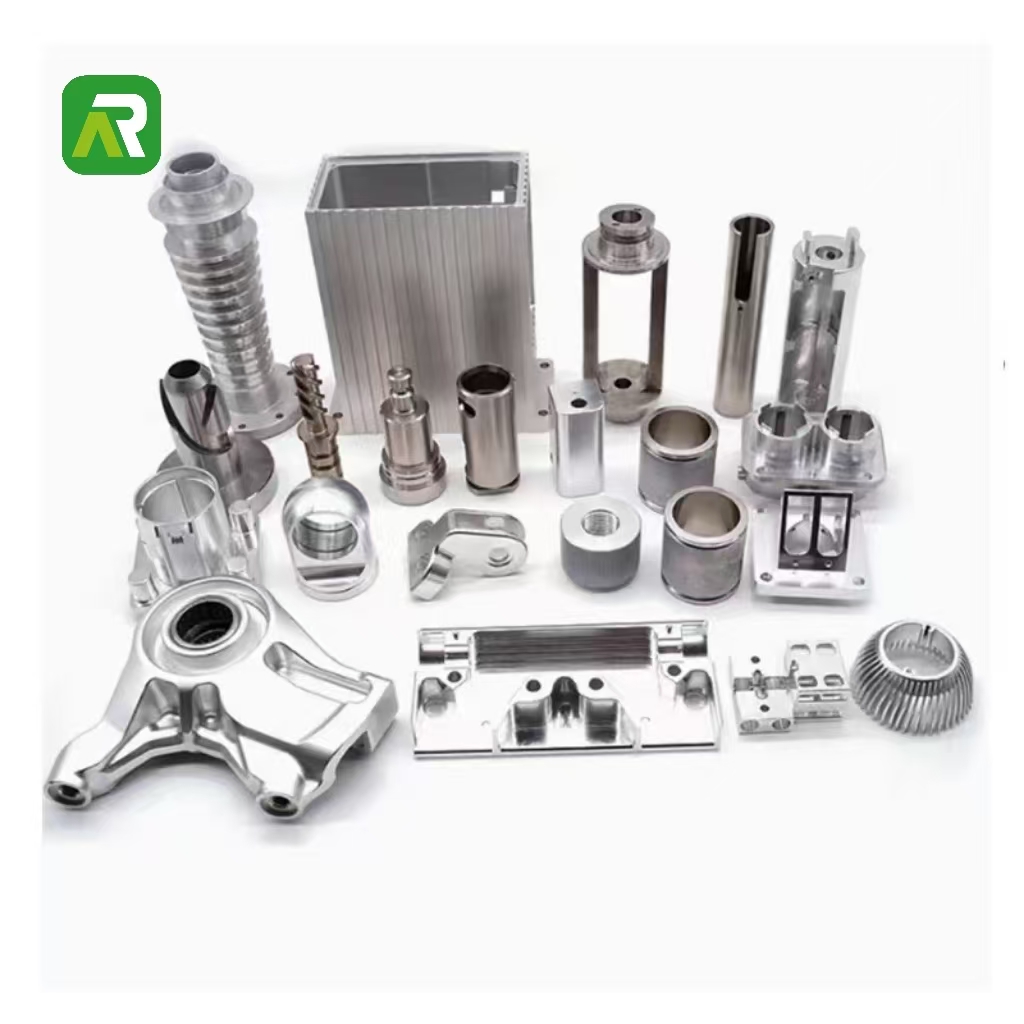
Aluminum CNC parts are components that are accurately shaped by computer numerical control (CNC) machines for aluminum workpieces. Pre-programmed software manipulates automated tools to produce complex shapes from aluminum blanks that are rich in detail and precise in size.
The combination of aluminum's material strengths and the high precision of CNC machining has led to a wide range of applications in aerospace, automotive manufacturing, and electronic equipment. Whether it's a precision part requiring tight tolerances or a structural component seeking lightweighting, this machining method allows for efficient production.

Main Advantages of Aluminum CNC Parts

Quick to Machine

Aluminum alloys have excellent dimensional stability and are machined quickly and cleanly with high material removal and residual stress control. With carbide tools and modern coolants, surface finish is excellent and subsequent processing is easy.
Its ease of machining directly reduces production costs, and it can be sandblasted for a matte finish or anodized for improved corrosion resistance and consistency of appearance to meet a wide variety of needs.

Great Strength to Weight Ratio

Aluminum alloys are much less dense than most metals, making them ideal for weight reduction scenarios. The tensile strength of pure aluminum is low, but can be significantly increased through alloying, heat treatment, and work hardening.
Most aluminum alloys have a higher specific strength than 316L stainless steel, making them a cost-effective alternative to titanium alloys for weight-sensitive high-end equipment where stiffness and weight reduction are clear and budgets are limited.

Wide Choice of Alloys and Material Properties

Aluminum alloys are used as a high quality base material and are available in nine series of alloy grades. Alloys with similar grades in the same series have similar properties, such as 5082 and 5083 aluminum alloys.
Different alloys have different strengths, corrosion resistance and machinability, allowing engineers to select the right alloy for their project, providing flexibility in product design.

High Corrosion Resistance

Aluminum alloys have a high affinity for oxygen, forming a dense passivated oxide layer that adheres to the surface and prevents internal corrosion, and is self-repairing after scratches.
In most cases, there is no need for additional painting or surface treatment, which significantly reduces manufacturing and maintenance costs. Anodizing and other processes can further enhance its corrosion resistance and make it suitable for harsh environments.

High Conductivity

Although less conductive than copper, aluminum alloys are widely used in electrical components due to their lightweight and cost advantages. Key components such as busbars and battery cables in the automotive and electric vehicle sectors are often made of aluminum alloy.
Its excellent thermal conductivity makes it the first choice for heat dissipation components. Aluminum alloy heat sinks in electronic equipment can quickly dissipate heat from components and ensure stable operation of the equipment.

Recyclable

Aluminum alloys are highly recyclable, with about 75% of historical production still in use. The energy consumption for recycling is much lower than that for primary aluminum extraction, and it can be recycled many times without losing its core performance.
This environmentally friendly feature is in line with the trend of sustainable development, which not only reduces the consumption of resources and pollution, but also reduces the cost of raw materials for enterprises, realizing a win-win situation in terms of ecological and economic benefits.

6061 Aluminum Alloy

6061 Aluminum Alloy is the material of choice for structural components due to its strength, corrosion resistance and versatility.
Widely used in aerospace components, marine fittings, automotive parts and other scenarios, it is one of the most widely used aluminum alloy grades in the industrial field, able to maintain stable performance under complex mechanical loads and harsh environments.

5052 Aluminum Alloy

5052 Aluminum Alloy has excellent formability and welding performance, can process complex curved surfaces and shaped structures, and has an efficient and reliable assembly process.
It is suitable for household appliances, signage, marine components, etc. It is especially suitable for products that require welding and assembly and have complex shapes, taking into account both structural strength and design flexibility.

2024 Aluminum Alloy

2024 Aluminum Alloy has outstanding fatigue resistance and is a core material in the aerospace field, designed to withstand cyclic loads.
Widely used in aircraft wings, fuselage and other key structural components, it can resist fatigue cracks and expansion under high stress environments to ensure flight safety.

5083 Aluminum Alloy

5083 Aluminum Alloy combines high strength and excellent corrosion resistance, specially designed for harsh environments, with excellent performance in the field of offshore engineering.
Ideal for marine applications such as shipbuilding and oil rig components, it is resistant to seawater erosion and the effects of the oceanic atmosphere and maintains structural stability.

7075 Aluminum Alloy

7075 Aluminum Alloy is known for its ultra-high strength and stress corrosion resistance, and is known as an “aerospace grade” alloy, which is a core material in the aerospace and military fields.
It is suitable for missile components, key structural parts of aircraft and other scenarios that have extreme requirements for load bearing capacity, and maintains stable performance in high stress and high corrosion environments.

What Kinds of Surface Treatment CNC Can Process?

As Machined

As machined only deburrs and chamfers the edges of the part, leaving the natural surface condition of the machined part with visible machining marks and slight scratches.
It is suitable for applications that do not require a high level of appearance, but emphasize on functionality and cost control, without the need for additional surface treatment, shortening the production cycle and reducing costs.

Sandblasting Treatment

A high-pressure air jet injects glass or ceramic beads onto the surface of the part, creating a uniform matte texture that effectively hides machining imperfections and scratches.
It not only enhances the consistency of the surface texture, but also increases the wear resistance, which is suitable for applications that require surface roughness and pursue a low-profile style.

Brushed Treatment

Brushed treatment gives a modern, industrial look to parts by rubbing the surface in one direction with a metal wire brush, creating parallel textures visible to the naked eye.
It hides minor surface imperfections and is widely used in electronic equipment housings, home décor, automotive interiors, etc., combining visual class and metallic texture.

Anodizing Treatment

Electrochemical process forms an oxide film on the surface of the part, which significantly improves corrosion resistance, and can be dyed to achieve a wide range of color options.
Surface hardness and abrasion resistance are enhanced, and the color is uniform and long-lasting. It is the most commonly used surface treatment process for aluminum alloys, covering a wide range of industries such as electronics, automotive, and construction.

Hardcoat Anodizing Treatment

Hardcoat anodizing treatment forms a thicker and harder oxide layer, which is far more wear-resistant than ordinary anodizing and can resist mechanical damage.
It is mainly used in high wear scenarios, such as mechanical moving parts, tool surfaces, aerospace parts, etc., to extend the service life of parts in harsh environments.

Conductive Anodizing Treatment

Specifically designed for electronic applications, the anodized film is both corrosion resistant and electrically conductive, breaking through the insulation limitations of ordinary anodized films.
It is suitable for circuit board connectors, electronic equipment shells and other conductive parts to ensure the stable transmission of electrical signals while realizing corrosion protection.

UV Printing

Digital inkjet printing technology, the use of ultraviolet light fast curing special ink, to achieve high-precision, high-resolution pattern printing.
Bright color, strong adhesion, suitable for personalized patterns, logo decoration, without complex molds, shorten the product development cycle, enhance the design flexibility.

Laser Marking

Laser beams etch permanent logos or patterns on the surface of parts, with high contrast and precision, without damaging the structural strength of the parts.
It is highly resistant to abrasion and corrosion, and is still clearly recognizable after long-term use. It is widely used in industrial scenarios such as product traceability, brand identification and parameter labeling.

Transparent Polishing

Mainly used for plastic materials, through a special process to achieve high transparency, suitable for lightweight optical lenses and other products.
It is a highly efficient way to realize optical-grade surface quality and ensure that the optical performance of the products meets the standard, which can rapidly improve the light transmittance and smoothness of the surface.

Blue-Tinted Vapor Polishing

Smooths the surface of plastics with vapor, eliminating small bumps and making the surface smooth and transparent with a unique blue-tinted luster.
It is suitable for plastic parts with special requirements for surface finish and transparency, such as high-end electronic equipment housings and optical accessories, to enhance the texture of products.

Mirror Polishing

Through the gradient refinement of the grinding tool and abrasive gradually polishing, to obtain a highly reflective mirror effect, the surface roughness is extremely low.
It not only has a visual impact, but also reduces surface friction, improves abrasion resistance and corrosion resistance, and is suitable for high-end decorative parts and precision mechanical parts.

Important Tips

The hanging point of anodized parts in contact with hangers cannot be oxidized and will leave white traces or damage, which is an inherent characteristic of the process.
When designing anodized aluminum alloy products, holes should be reserved in non-functional areas to avoid affecting the integrity of the overall appearance of the product.

Key Design Tips For CNC Machined Parts

Designing CNC machined parts requires a balance between functionality and manufacturability. Improper design can lead to longer cycle times, higher costs, and inconsistent quality. The following five core principles can effectively optimize the design solution to improve production efficiency and product quality.

Tip 1 - Define Critical Tolerances Only

Reasonable tolerance setting is the key to controlling cost and efficiency. Excessively tight tolerances will increase machining difficulty and cost, and not all features require high precision.
Most CNC machines have a stabilized accuracy of ±0.1 mm, and only critical features such as mating surfaces and bearing bores should be set to tight tolerances such as ±0.02 mm, while non-critical features should be set to general tolerances.
Adopting a standard such as ISO 2768 or ANSI Y14.5 that specifies default tolerances and only marks special requirements can simplify communication and reduce inspection time and costs.

Tip 2 - Simplify Part Geometry

Simple geometry is the basis for efficient machining. Complicated features such as deep cavities, sharp internal corners, and rebates increase machining difficulty and cost.
Designing internal sharp corners as rounded corners, adapting to standard tool sizes, and prioritizing 2.5D or 3-axis friendly structures can reduce tool wear, shorten cycle times, and improve machining accuracy.

Tip 3 - Maintain Uniform Wall Thickness

Uniform wall thickness is the key to ensure the quality of parts. Too thin or uneven wall thickness can lead to vibration, deformation, poor surface quality and other problems.
Wall thicknesses of 1.0-1.5 mm are recommended for metal parts and 2.0 mm for plastic parts. Avoid sudden changes in wall thicknesses and adopt smooth transition designs to reduce stress concentrations.

Tip 4 - Design Features for Tool Accessibility

Tool accessibility is a prerequisite for efficient machining. Features such as deep holes and narrow closed grooves increase the number and cost of fixtures and affect machining accuracy.
Ensure that the inner corner radius is not less than 1.5 mm, optimize the part orientation design, reduce the number of clamping times, and allow the tool to reach all machining areas smoothly to improve productivity and quality stability.

What are the common applications of CNC small aluminum parts?
Automotive Industry

CNC small aluminum parts are widely used in the core parts of automotive engines, transmissions, chassis, and suspension systems.
Transmission components and engine parts require tight tolerances to ensure precision fit, while chassis and suspension parts take advantage of aluminum alloy's lightweighting to improve fuel economy, making it a core component in the automotive industry to improve quality.

Aerospace Industry

The aerospace industry demands the highest levels of performance and safety from its components, and CNC small aluminum alloy parts are the core choice due to their strength-to-weight ratio and corrosion resistance.
Key components such as fuselage skins, wing structural components, landing gear components, etc. are manufactured through CNC high-precision machining to realize complex structures, which can work stably in harsh aviation environments.

Electronics Industry

The trend toward miniaturization and high performance in electronic equipment is driving demand for CNC small aluminum alloy parts.
Aluminum alloy shells and heat sinks take advantage of their thermal conductivity to quickly dissipate heat from electronic components, and customized heat dissipation structure design maximizes heat dissipation efficiency to ensure stable operation of equipment.

Medical Industry

Medical equipment has stringent requirements for precision, reliability and biocompatibility of parts, and CNC small aluminum alloy parts are highly adaptable.
Surgical instruments, diagnostic equipment, implantable devices and other products, aluminum alloy parts can meet the precision requirements, and lightweight, corrosion-resistant, so that it is suitable for medical operations and sterilization processes.

Industrial Machinery

In the field of industrial machinery, CNC small aluminum alloy parts are the key to the efficient operation of equipment, and are widely used in conveyor systems, automation equipment, packaging machinery, and so on.
Gears, shafts, housings and other components are CNC machined with high precision to ensure a precise fit between parts, reduce wear and tear, and improve industrial production efficiency.

Common CNC Machining Challenges for Aluminum Parts

Aluminum machining has solved many efficiency problems of the traditional manufacturing process, but there are still many processing difficulties in actual production.
Chip forming problems: aluminum texture soft, ductility, but some aluminum alloy viscous high, easy to produce long chips during processing, easy to wrap around the cutting tool, and even cause damage to the workpiece, the need to reasonably match the size of the tool chip groove to control.
High processing cost: Aluminum machining requires the use of special customized tools, equipment and tool investment costs are high.
Heat accumulation hidden danger: aluminum thermal conductivity is excellent, easy to generate a large amount of heat accumulation in the process of machining, which leads to the melting of the material, tool melting sticky and workpiece deformation and other problems.
Machining vibration phenomenon: aluminum machining with high cutting speed, easy to produce mechanical vibration and vibration, it is difficult to ensure the precision of the workpiece.
Easy deformation of the workpiece: Due to the soft texture of aluminum itself, it is easy to deform during the machining process, and it is impossible to meet the dimensional production requirements of precision parts.
Design errors affect machining: Neglecting tolerance standards and material characteristics limitations, unnecessary design of complex structures, insufficiently rounded corners and the existence of sharp corners, tool path planning and other design problems will increase the difficulty of machining, reduce production efficiency and the quality of finished parts.
These challenges can be overcome by partnering with a specialist such as Retop Aluminum, which has an experienced team of professionals with expertise in mitigating the challenges associated with aluminum machining to help companies produce aluminum parts quickly and efficiently.
These challenges also highlight the importance of working with an experienced machining partner, especially when producing complex parts or parts with high precision tolerances.

Conclusion

Aluminum CNC parts occupy a core position in modern manufacturing industry by virtue of their excellent comprehensive performance advantages. Through precise design and processing technology, they can accurately meet the high-end needs of aerospace, automobile manufacturing, electronic equipment and other fields, and are widely used in all kinds of precision instruments and high-end equipment, becoming a key force in promoting the development of modern manufacturing.
 
Henan Retop Industrial Co., Ltd. Will Be There Whenever Wherever Whatever You Need
You Are Welcome to : phone call, Message, Wechat, Email& Seaching us, etc.
Email: sales@retop-industry.com
Whatsapp/Phone: 0086-15537183797
Share us:
Related products

Shower door accessories

Material:aluminium alloy
Surface treatment:anodizing
Color:customer sized
Ecuador 6063 Series Extruded Window

Ecuador 6063 Series Extruded Window Profiles

Material:6063/6082/6061 Aluminium
Temper:T5/T6
Thickness:0.4mm-1.5mm/Customized
5020 Aluminium Doors Window Profile

5020 Aluminium Doors Window Profile

Material:6063/6082/6061 Aluminium
Temper:T5/T6
Thickness:0.4mm-1.5mm/Customized