What Features Make Aluminum Extrusions Ideal for Solar Mounting Brackets
Date:2026-07-01
View: 1980 Point
Photovoltaic support is the core infrastructure of solar power generation system, which directly affects the operation stability and long service life of the whole power station.The outdoor complex working conditions are extremely high for the bracket material standard. Aluminum alloy extrusion profiles have become the most mainstream and reliable material selection for photovoltaic brackets by virtue of their comprehensive performance advantages.
Why Material Selection Matters for Solar Mounting Systems
Effect of Material Selection on Performance and Life of Photovoltaic Support
The standard service life of photovoltaic brackets can reach 25 years and above, and they are exposed to outdoor complex environments for a long time.It is necessary to continuously resist multiple natural erosions such as strong winds, snow, ultraviolet radiation and changes in temperature between day and night. The quality of raw materials directly determines the structural stability of the whole photovoltaic system.High-quality materials can effectively avoid problems such as bracket deformation, rust and loosening, and avoid various potential safety hazards from the source.
Core Points of Photovoltaic Bracket Material Selection
High-quality photovoltaic support materials need to have excellent structural load-bearing capacity, which can stably withstand the weight of photovoltaic panels, snow static load and strong wind dynamic impact.At the same time, it takes into account the characteristics of high strength and light weight, avoiding excessive structure to increase the load pressure of building roof and infrastructure. The bracket material must have excellent corrosion and weather resistance and can effectively resist the continuous erosion of rain, salt spray and industrial pollutants.Adapt to complex working conditions in different regions of the country, greatly reduce the frequency of maintenance and component replacement costs in the later period.
What Are Aluminum Extrusions for Solar Mounting Brackets
Core Definition and Structural Characteristics
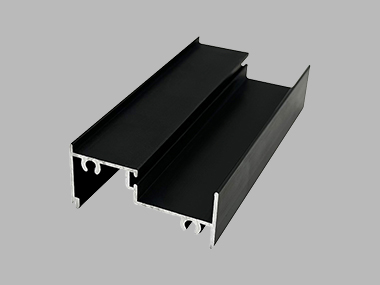
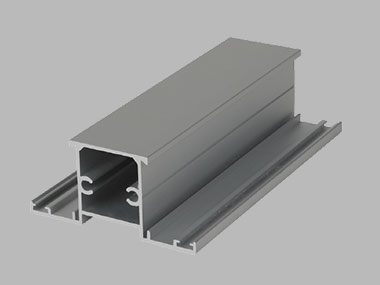
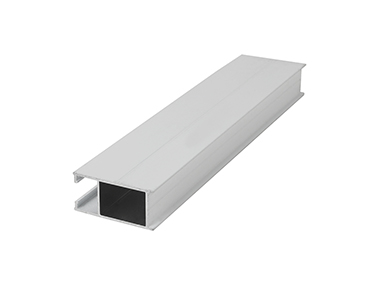
Photovoltaic aluminum profile is made of high-quality 6 series aluminum alloy, which can be made into complex integrated cross-section structure by high temperature and high pressure precision extrusion molding.It is the core basic material of photovoltaic bracket, fixed rail and installation fixture. Profile factory can be reserved T-groove, positioning holes and card groove structure, without cumbersome secondary welding and drilling processing.Support modular rapid assembly, greatly improve the field installation efficiency of various photovoltaic projects.
Technological Process of Production
The production of photovoltaic aluminum profiles requires constant temperature heating of aluminum rods to ensure uniform and stable overall ductility of the material.Through customized high-precision die extrusion molding, strictly ensure the uniform size of profile section and accurate tolerance. Shaped profiles after cooling, straightening and length cutting processing, with T5, T6 aging treatment to strengthen mechanical strength.Finally, the outdoor protection ability is improved through anodizing and powder spraying processes to meet the long-term service requirements.
Core Adaptation Advantage
Photovoltaic aluminum profiles have excellent strength-to-weight ratio and excellent impact resistance on the basis of lightweight.It can stably resist outdoor strong wind, snow and slight earthquake external force, and ensure the long-term structural stability of the bracket. Aluminum has its own natural oxidation protection layer, and its weather resistance and corrosion resistance are greatly improved after deep processing surface technology.At the same time, it has excellent thermal conductivity and can be 100% recycled, which is highly compatible with the green attribute of photovoltaic new energy.
Mainstream Application Component
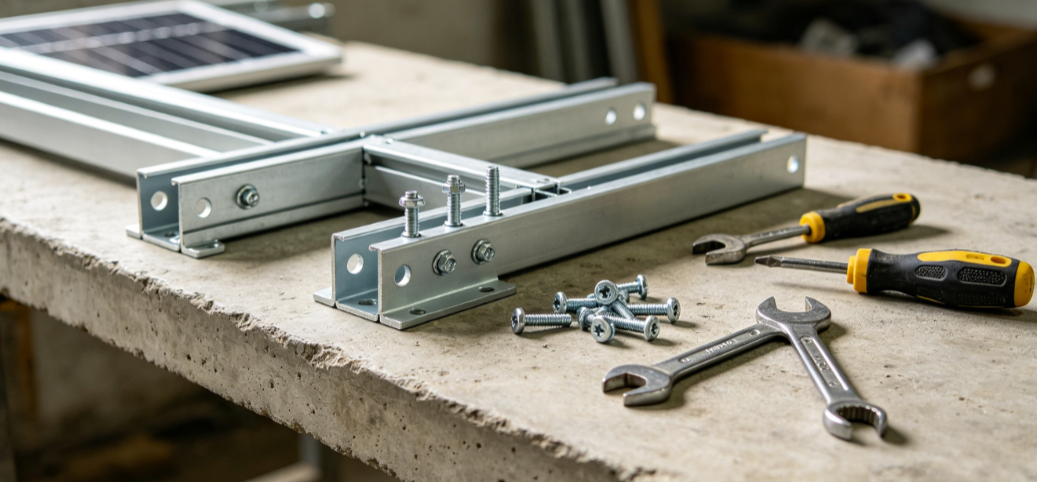
PV aluminum profiles can be processed into fixed rails, upper and lower pressure blocks, end fixtures and main support brackets and other core accessories.It can fully adapt to the standardized fixed installation requirements of various specifications of photovoltaic panels. Manufacturers can customize special-shaped supports, lifting brackets and special components for inclination adjustment according to project requirements.Flexible to meet diversified and differentiated photovoltaic installation scenarios such as roof, ground and carport.
Key Features That Make Aluminum Extrusions Ideal
Super High Strength to Weight Ratio
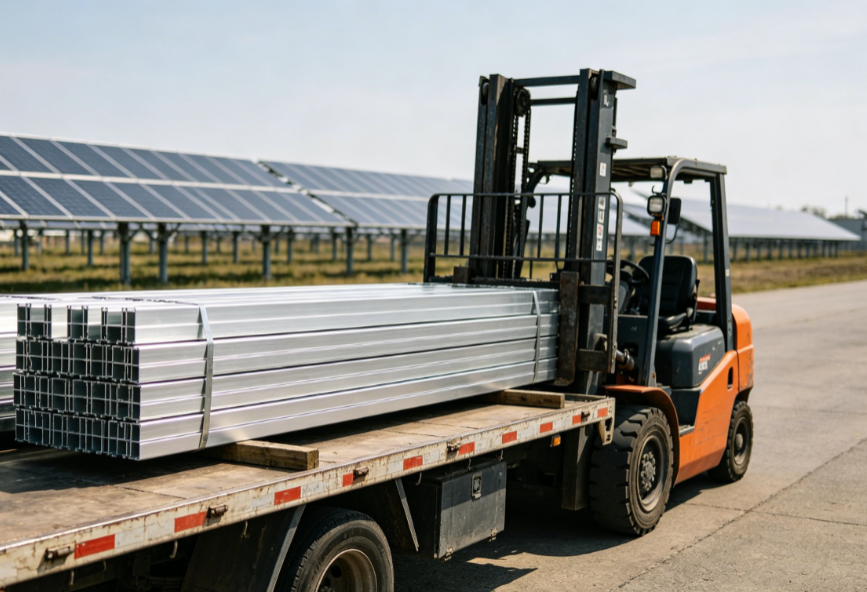
6005-T5, 6061-T6 and other photovoltaic aluminum alloy grades, the comprehensive bearing performance is excellent.It can fully meet the load standards of various working conditions and effectively resist the continuous external impact brought by outdoor snow and snow. The overall weight of aluminum profiles is light, which can greatly reduce the cost of project transportation and hoisting construction.Effectively reduce the roof load pressure of the building, adapt to all kinds of photovoltaic projects with limited space and need lightweight transformation.
Strong Corrosion Resistance and Weather Resistance
Aluminum surface can spontaneously form a self-healing oxidation protection layer, with natural corrosion resistance.Can effectively resist rain, ultraviolet and salt fog erosion, long-term outdoor use is not easy to rust, aging, damage. With anodizing and powder spraying strengthening process, the outdoor protection performance of the profile is significantly doubled.The service life of photovoltaic aluminum brackets can reach 25 to 50 years, and the whole cycle requires almost no manual maintenance.
Flexible and Precise Design
Extrusion process can achieve high-precision integrated molding, integrated T groove, heat sink and installation positioning structure.No need for on-site welding and secondary drilling, perfect for modular quick installation mode of photovoltaic projects. Manufacturers can customize profile sections according to PV panel size, installation inclination and site conditions.Flexible adaptation to various standardized projects and customized photovoltaic engineering design and construction requirements.
Excellent Fatigue Resistance
After professional aging heat treatment of photovoltaic aluminum profiles, the internal structure is uniform and stable.It can withstand temperature difference cycle and repeated wind load for a long time, and is not easy to deform, crack and loosen during operation. The profile can keep the structure size accurate and stable for a long time, and firmly fix the optimal lighting angle of the photovoltaic panel.Continue to ensure stable photovoltaic power generation efficiency and significantly reduce the probability of equipment failure and shutdown.
Excellent Thermal Conductivity
Aluminum alloy has excellent thermal conductivity and heat dissipation performance, which can quickly channel the accumulated heat generated by photovoltaic panel work.Effectively reduce the high temperature attenuation problem of the board surface, improve the photoelectric conversion efficiency and the overall service life of the equipment. Aluminum non-magnetic, good conductivity, easy to photovoltaic system standard grounding wiring construction.Effectively reduce the potential electrical safety hazards of the power station and ensure the all-weather stable operation of the entire power generation system.
Green Recyclable Aluminium
The alloy supports infinite recycling and recycling, and the energy consumption of recycling processing is extremely low.The material performance will not be lost, which can greatly reduce the carbon emission index of the whole life cycle of photovoltaic projects. Most regular aluminum profile manufacturers use recycled aluminum rod closed-loop production, green environmental protection attributes outstanding.It is highly compatible with the low-carbon concept of photovoltaic new energy and easily meets the evaluation standards of green buildings.
Lower Life Cycle Costs
The initial purchase unit price of aluminum profiles is slightly higher than that of ordinary galvanized steel, but the comprehensive use advantage is obvious.The installation labor cost is low, the whole process is maintenance-free, the service cycle is long, and the operation and maintenance expenses in the later period are greatly reduced. The use of photovoltaic aluminum profiles can effectively reduce the full-cycle electricity cost of the project and improve the overall return on investment.Comprehensive economic benefits and use experience far exceed traditional steel structure support materials.
Why Aluminum Performs Better Than Other Materials
Increased Installation and Transportation Efficiency
The density of aluminum profile is only one third of that of steel, and the weight of the whole photovoltaic support system is greatly reduced.Effectively reduce the burden of logistics transportation and labor costs for on-site handling and installation. The lightweight structure makes roof photovoltaic construction safer and more efficient, without additional reinforcement of the main building.It is especially suitable for renovation projects with limited bearing capacity such as old roofs and color steel tile roofs.
Greater Long-term Stability
Aluminum comes with self-healing oxidation protective film, with long-term corrosion resistance.In coastal high salt fog, humid areas and industrial pollution environment, can be long-term stable operation. Common galvanized steel coating is easy to rust and corrode quickly after damage, requiring regular paint repair and replacement of components.Long-term accumulated operation and maintenance costs and downtime losses are much higher than aluminum profile brackets.
Structural Design is More Reasonable
Although the absolute strength of steel is higher, but the weight is too large to easily produce additional wind loads and structural stress.There are obvious limitations in lightweight roofing and complex scenarios. PV aluminum alloy can fully match the project load design standard under the premise of light weight.The profile section is simplified and reasonable, the wind resistance is smaller, and the overall structure stability is better.
More Customization and Adaptability
Aluminum extrusion process can realize complex integrated structure integrated molding, support modular rapid splicing.It can flexibly adapt to various photovoltaic panel specifications and diversified installation schemes. Traditional steel processing depends on cutting and welding, the process is complicated and the precision of finished products is low.It is difficult to adjust on-site changes and cannot meet the needs of refined and standardized modern photovoltaic projects.
Full Cycle Cost-effective
Aluminum alloy has excellent thermal conductivity and heat dissipation characteristics, which can effectively optimize the working temperature of photovoltaic panels and improve power generation efficiency.At the same time, it supports 100% recycling, and the green environmental protection industry attribute is very prominent. Based on a multi-dimensional comparison of installation efficiency, operation and maintenance costs and service life, the full-cycle use cost of aluminum profiles is lower.It is the most cost-effective and reliable material selection scheme for various photovoltaic projects at this stage.
Choosing the Right Aluminum Alloy for Solar Brackets
Material Properties Overview
PV stent mainstream 6 series aluminum magnesium silicon alloy, formability, weldability and natural corrosion resistance balance excellent.Can perfectly adapt to all kinds of precision profile deep processing and structural molding requirements. Through T5 and T6 precision aging heat treatment process, the mechanical strength and structural hardness of aluminum profiles are greatly improved.It can completely meet the long-term stable structural bearing standards of outdoor photovoltaic brackets.
Alloy grade Performance Comparison
6005-T5 is the mainstream trump card alloy in the photovoltaic industry, with structural strength superior to ordinary 6063 profiles.Shaped texture, weather resistance performance balance, adapt to the vast majority of photovoltaic stent body structure. 6063-T5/T6 profile surface is smooth and smooth, and the appearance texture is outstanding.Generally used for decorative photovoltaic components and non-load-bearing auxiliary accessories, not used as the main force support. 6061-T6 profile has the highest overall strength and excellent finish machining performance.Specially adapted to large-span, high-load photovoltaic supports and special custom load-bearing structures.
The Core of Alloy Selection
6005-T5 and 6061-T6 high-strength alloys are preferred for high-snow areas and large-span photovoltaic projects.Effectively guarantee the bearing stability and deformation resistance of the bracket, and resist extreme weather. Coastal high corrosion environment needs to be matched with thickened surface protection process treatment profiles.Standard 6005-T5 can meet the cost performance and stability requirements of conventional civil photovoltaic projects. Alloy materials with excellent formability are preferred for complex special-shaped sections.Reasonably balance processing difficulty, product precision and overall project cost.
Surface Treatments That Improve Outdoor Performance
The Significance of Surface Treatment
Aluminum natural oxide layer protection ability is limited, long-term outdoor exposure, rain and salt spray erosion.It is easy to appear oxidation whitening, surface wear, fading and other appearance and performance problems. Professional surface treatment processes create a high strength, dense protective layer on the profile surface.Comprehensively improve the weather resistance, wear resistance and corrosion resistance of profiles to meet the outdoor service standards of more than 25 years.
Anodizing
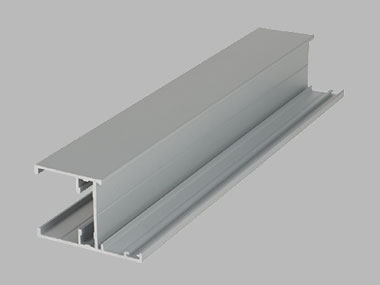
Anodic oxidation is the mainstream basic process of photovoltaic profiles, which thickens the oxidation protective layer by electrochemical means.Effectively improve profile surface hardness, sun resistance and overall corrosion resistance. Anodic oxidation protective layer is uniform and compact, with strong adhesion and difficult to fall off.Suitable for coastal, high humidity and other harsh conditions, long-term use is not easy to fade, powder, corrosion damage.
Powder Spraying
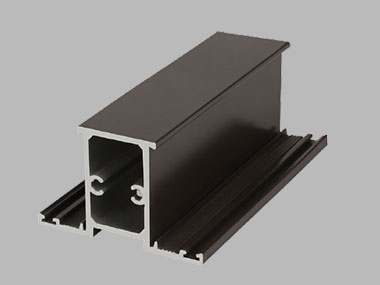
Powder spraying can form thick and uniform protective coating on the surface of profiles, with outstanding wear and scratch resistance.At the same time, chemical corrosion resistance, rich colors, decorative beauty is very strong. This process is suitable for high-end photovoltaic projects with high requirements for appearance and impact resistance.Can effectively resist outdoor sand wear and various pollutants erosion damage.
Other Auxiliary Surface Treatment Processes
Chemical conversion coating is often used as the bottom protective process for profiles, which can greatly improve the adhesion of subsequent coatings.Adapt to all kinds of complex protection technology deep processing production needs. Electrophoretic coating covers fine and uniform, and can fill fine surface gaps of profiles.Further improve the overall corrosion resistance and outdoor weather resistance of aluminum profiles.
Manufacturing Considerations for Solar Aluminum Extrusions
Exclusive Production Process Requirements
The production precision standard of photovoltaic aluminum profiles is much higher than that of ordinary industrial profiles, and high purity 6 series aluminum rod raw materials must be used.Strictly ensure that the material composition is uniform and the mechanical properties are stable and unified. Through high-precision die design and constant temperature extrusion process, to ensure accurate profile section, smooth surface.The product size tolerance is strictly controlled within the industry's minimum error range.
Size Precision and Tolerance Control
The assembly accuracy of photovoltaic bracket accessories is extremely high, and strict size tolerance control is very important.Can effectively avoid installation dislocation, splicing loose and uneven installation hazards. Intelligent monitoring and equipment calibration are adopted in the whole production process to ensure the flatness and section size of profiles are unified.Perfect for the modular rapid assembly construction needs of the photovoltaic industry.
Surface Quality and Defect Control
The production process strictly controls all kinds of surface defects such as profile mold lines, scratches, inclusions, etc.Ensure that the profile surface is smooth and clean, and lay a good foundation for subsequent oxidation and spraying processes. The high quality and smooth profile surface ensures uniform adhesion of the protective coating and no leaks.Effectively avoid the problem of local corrosion damage and ensure the long-term weather stability of the bracket.
Material Traceability and Heat Treatment
All profile raw materials can be traced back to the whole process, and the alloy composition ratio is accurately controllable.Ensure that the mechanical properties of each batch of profiles are uniform, stable and up to standard. The factory accurately controls the aging temperature and holding time of T5 and T6 to stabilize the strength and hardness of the profiles.Fully matched photovoltaic support structural load design criteria.
Deep Processing and Quality Inspection System
Profile using precision cutting, CNC precision drilling process, incision smooth without burrs.Uniform surface treatment thickness, all-round adaptation of photovoltaic installation requirements. Complete mechanical, salt spray and size tests before leaving the factory, and strictly comply with regulations.Fully comply with IEC, UL and other international PV industry authoritative standards.
Large-scale Production and Green Manufacturing
Flexible automated production lines can be flexibly adapted to large and small batch orders.Both standard profiles and custom profiles are considered, with high delivery efficiency and controllable cost. Manufacturers use energy-saving production equipment and recycled aluminum raw materials, closed-loop production to reduce energy consumption and carbon emissions.It is highly consistent with the industrial concept of photovoltaic green and low carbon.
Typical Applications of Aluminum Solar Mounting Brackets
Residential and Commercial Roof PV Systems
The lightweight characteristics of aluminum profiles are perfect for flat roofs, inclined roofs and color steel tile roof photovoltaic projects.There is no need to reinforce the main body of the building greatly, and the on-site construction is convenient and safe. Aluminum bracket can be flexibly adjusted installation inclination, adapt to all kinds of roof complex conditions.Excellent corrosion and weather resistance, long-term use without frequent maintenance, comprehensive cost-effective.
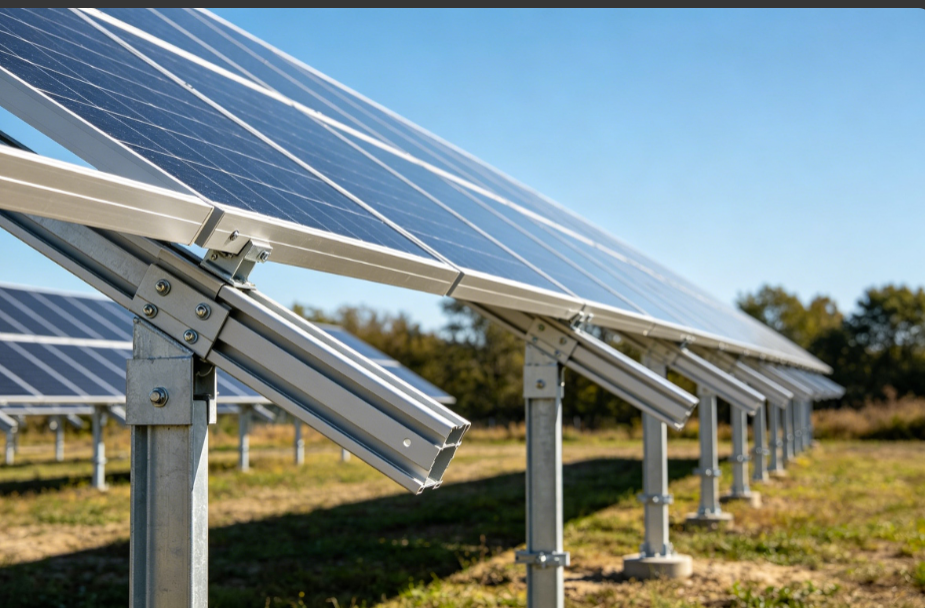
Large-scale Ground Photovoltaic Power Station Project
Modular aluminum profile bracket transport light, quick and simple field assembly.Especially suitable for the construction of large-scale ground photovoltaic power stations in remote sites, effectively shortening the construction cycle. Fixed inclination angle and intelligent tracking support structure can be customized according to site lighting conditions.Maximize the use of light resources and effectively improve the overall photovoltaic power generation of the power station.
Photovoltaic Car shed and Sunshade Application
The aluminum profile has clean appearance, light and stable structure, and has dual functions of sun and rain protection and photovoltaic power generation.Widely suitable for all kinds of commercial, park, parking lot photovoltaic shed projects. Profile surface can do a variety of color process treatment, beautiful appearance atmosphere.It can perfectly match the overall architectural style of parks, commercial squares and residential quarters.
New Special Photovoltaic Application Scenarios
Lightweight and corrosion resistant aluminum profiles are suitable for floating photovoltaic systems.Eliminate corrosion hidden danger from the root cause, and greatly solve the industry pain point of operation and maintenance difficulties of water equipment. High-intensity agriculture and light complementary overhead aluminum support can be built, which does not block and does not affect the normal planting of crops.At the same time, it ensures stable operation of photovoltaic equipment and continuous power generation.
Conclusion
Aluminum alloy extrusion profiles rely on the multiple core advantages of lightweight, high load bearing, strong corrosion resistance and easy customization to fully adapt to various photovoltaic support scenarios, and their performance far exceeds that of traditional steel.Scientific alloy selection and surface treatment can greatly improve the stability and service life of the bracket, reduce the full-cycle cost of the project, and are the core supporting materials for the green and large-scale development of the photovoltaic industry.
Henan Retop Industrial Co., Ltd. Will Be There Whenever Wherever Whatever You Need

 Key Features That Make Aluminum Extrusions Ideal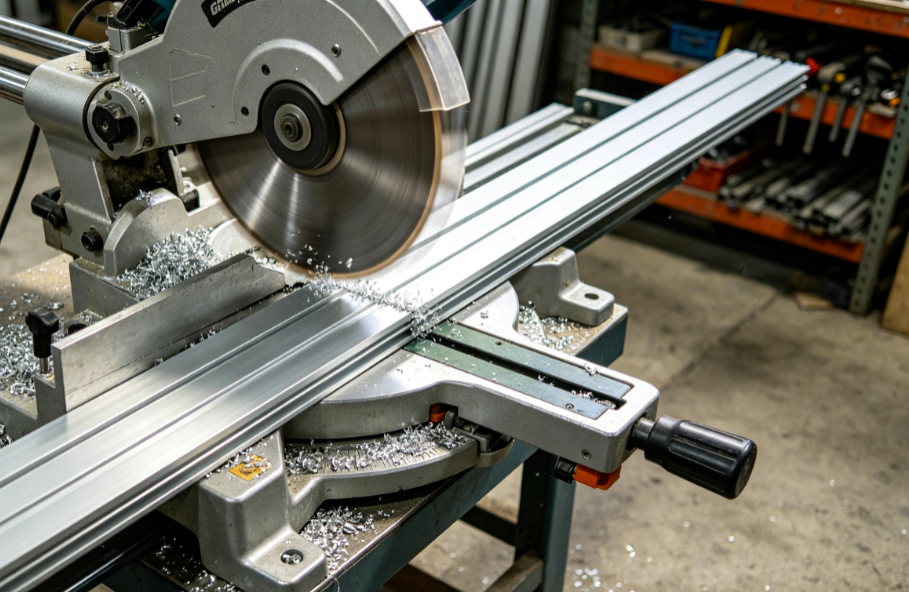
 Surface Treatments That Improve Outdoor Performance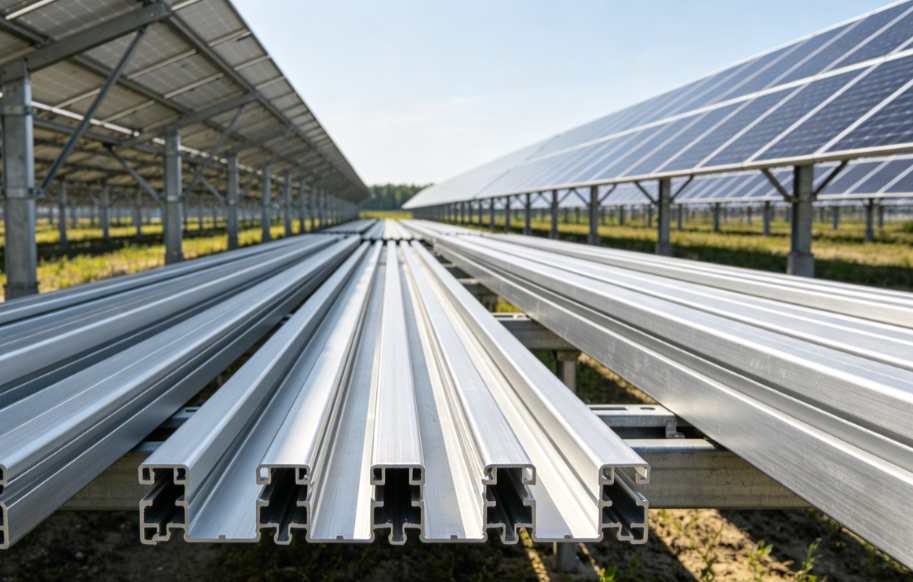
.jpg)