Where Does High-Strength Aluminum Extrusion Stand in Wind Energy Equipment
Date:2026-07-01
View: 2014 Point
Wind power is the core plate of new energy industry, and the industry is rapidly upgrading iteratively towards large-scale and offshore. The complex and extreme operating environment has strict requirements on equipment materials. With the comprehensive advantages of lightweight, corrosion resistance and high durability, high-strength aluminum profiles have become indispensable core supporting materials for wind power equipment.
Why Wind Energy Equipment Demands High-Performance Materials
Upgrade Requirements of Modern Wind Power Industry
The global wind power industry continues to grow at a high speed and is the core supporting industry for energy transformation. The capacity of a single fan continues to increase, the size of the equipment continues to increase, and the performance standards of supporting materials are fully upgraded. Traditional materials cannot adapt to the pace of industry development. The impeller diameter of onshore wind turbines continues to widen, the structure of offshore giant wind turbines becomes more complex, and the difficulty of engineering construction and equipment operation and maintenance is greatly increased. Ordinary building materials have weak bearing capacity and poor weather resistance, which makes it difficult to support the stable operation of large-scale wind turbines for twenty or thirty years. High-performance materials have become the industry's demand.
Harsh Operating Environment of Wind Power Equipment
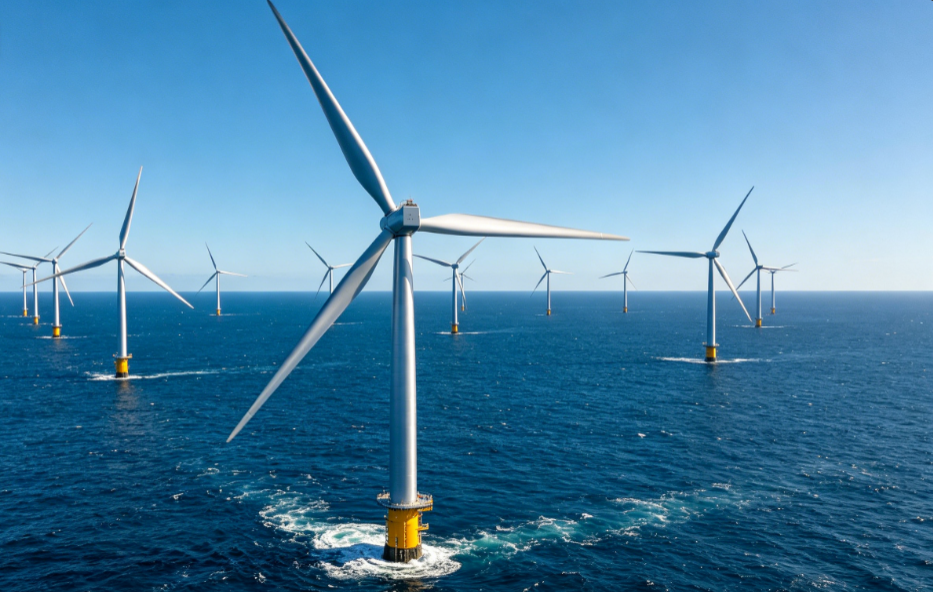
Wind power equipment operates in the open air all the year round, and onshore units need to cope with complex weather conditions such as temperature fluctuation, sand and ice for a long time. Offshore wind power equipment faces extreme environments such as high salt fog, high humidity and strong storms, and the corrosion and loss of materials are particularly prominent. Wind turbine equipment has a service life of 20 to 30 years, and it continues to withstand reciprocating mechanical loads and wind shocks during operation. Long-term cyclic stress is easy to cause material fatigue loss, structural aging and cracking, which has high requirements for material durability and stability.
Material Performance Index Requirements
Special materials for wind power must have excellent strength-to-weight ratio, taking into account lightweight characteristics and structural bearing capacity, and adapting to the design and operation requirements of large wind turbines. At the same time, it needs to have excellent corrosion resistance and fatigue resistance, effectively reducing the frequency of equipment operation and maintenance and failure incidence. High-quality wind power materials need to give consideration to excellent processing performance and recyclable properties, and adapt to the customized processing requirements of various complex components. At the same time, it conforms to the green and low-carbon development concept of the wind power industry and helps the new energy industry to achieve sustainable circular development.
What Is High-Strength Aluminum Extrusion
Core Definition and Process Principle
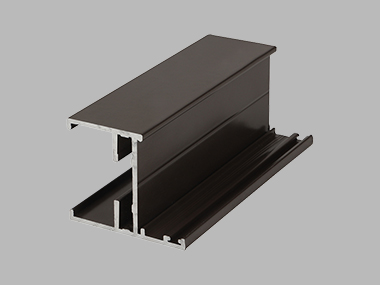
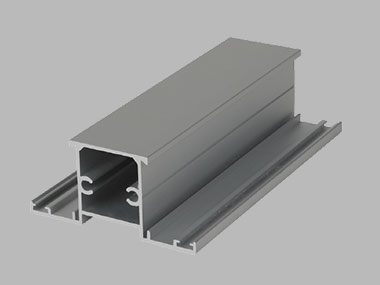
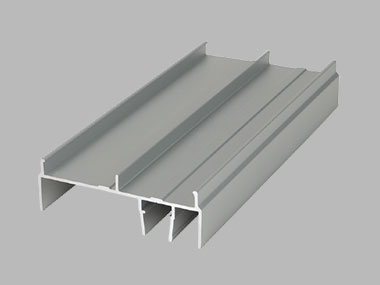
High-strength aluminum profiles are high-end profiles made by advanced metallurgical technology and precision extrusion technology, which are specially adapted to the harsh working conditions of high-end equipment such as wind power. Through precise alloy ratio and professional heat treatment process, mechanical properties and weather resistance are upgraded in all directions. In the production process, the customized aluminum rod is heated to an appropriate temperature and extruded into an integrated cross-section structure through a high-pressure die. After subsequent cooling, stretching and aging curing treatment, the profile size and mechanical properties are accurately stabilized to ensure the consistency of product quality.
Core Criteria
The core difference between high-strength aluminum profiles and ordinary profiles lies in the substantial improvement of tensile strength, yield strength and fatigue resistance. It can withstand hundreds of millions of reciprocating loads for a long time, and it is not easy to deform, crack, age and other structural failures during operation. This type of material has the ultimate strength to weight ratio advantage, far lower than the weight of steel, to achieve close to the bearing capacity of steel. It is the core high-quality material for lightweight structure design, cost reduction and efficiency improvement of wind power equipment.
Aluminum Alloy Grade Performance Characteristics
6061, 6082 and other 6 series aluminum alloys have balanced comprehensive properties, excellent extrudability, weldability and corrosion resistance. It is suitable for the production of wind power conventional structural components, with outstanding cost performance. It is the most widely used basic high-strength aluminum in the field of wind power. 7075 and other 7 series high strength aluminum alloy mechanical properties greatly improved, strength close to ordinary steel. It is mainly used for high-stress core components of wind power equipment, and is suitable for key equipment parts with strict bearing capacity requirements and complex working conditions.
Comprehensive Application Advantages
The density of high-strength aluminum profiles is only one-third of that of steel, which can greatly reduce the overall weight of wind power equipment and effectively reduce transportation, installation and foundation bearing costs. The material comes with natural oxidation protection layer, which can adapt to various corrosion conditions of sea and land wind power. Profile molding flexibility is very strong, can customize all kinds of complex sections and multifunctional structure, adapt to the personalized design requirements of equipment. At the same time, it has excellent thermal conductivity and 100% recyclability, which meets the requirements of multifunctional application and low-carbon development of wind power equipment.
Why High-Strength Aluminum Is Ideal for Wind Energy Applications
Wind Power Selection Core Pain Point
Modern large-scale wind turbines have higher towers and longer impellers, significantly increase the overall load and operating loss of equipment, and the weight of traditional steel is too large, which greatly increases the operation and maintenance costs. Composite materials are easy to age, difficult to recycle, and have low cost performance and practicality for long-term use. Offshore wind power is in extreme conditions of high salt fog and high humidity, and the requirements for corrosion resistance and fatigue resistance of materials are extremely strict. Most conventional materials are difficult to resist long-term corrosion and cannot meet the long service life of wind power equipment for twenty or thirty years.
High Strength Aluminum Alloy Matching Performance
High-strength aluminum alloy has the ultimate strength to weight ratio, lightweight advantage is very significant, can effectively reduce the center of gravity of the wind turbine, improve wind energy capture efficiency. It can perfectly adapt to the trend of large-scale upgrading of fans, and has strong structural stability and is not easy to deform and lose. Aluminum has natural corrosion resistance. After surface treatment such as anodizing and powder coating, the corrosion resistance is greatly improved. It can effectively resist salt fog erosion at sea and significantly reduce the frequency of operation and maintenance in the later period and the operation and maintenance cost of the project.
Functional Advantages of High-strength Aluminum Profiles
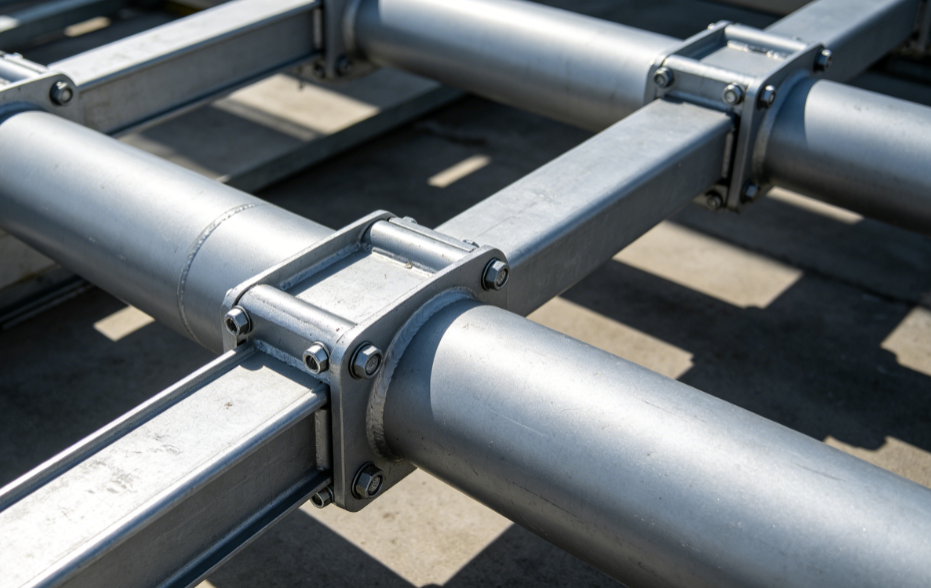
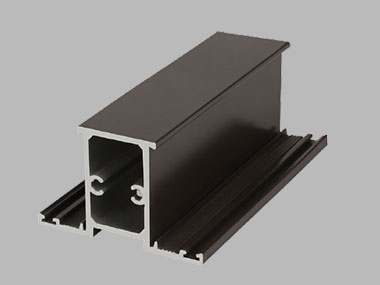
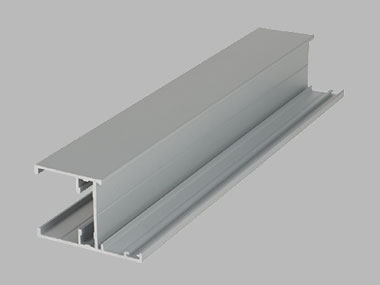
High-strength aluminum profiles can be integrated into various complex structures through extrusion process to meet the customization requirements of multiple scenarios such as cabin shell, support frame, electrical accessories, etc. The assembly process is simple and convenient, which can effectively improve the production and assembly efficiency of wind power equipment. Aluminum profiles have excellent thermal conductivity and electrical conductivity, which can be perfectly adapted to the needs of fan cooling systems and power transmission components. Effectively optimize the heat dissipation effect and power transmission efficiency of the equipment, and improve the operation stability of the whole machine.
Conform to Wind Power Low-carbon Concept
Aluminum alloy supports infinite recycling, recycling production energy consumption is only 5% of primary aluminum, carbon emissions are extremely low. It is highly consistent with the core positioning of wind power green energy and helps wind power projects achieve low-carbon green operation throughout their life cycle. Relying on the advantages of lightweight profiles, it can greatly reduce the basic construction materials and equipment transportation energy consumption of fans. We will reduce the cost of electricity consumption of wind power projects in an all-round way and enhance the market competitiveness and investment value of new energy projects.
Wind Equipment Application of High-Strength Aluminum Extrusion
Wind Power Aluminum Core Advantages
High-strength aluminum profiles accurately solve the pain points of traditional wind power materials with high weight, easy corrosion and difficult customization, and fully adapt to the complex working conditions of sea and land wind power. Precision extrusion technology can achieve high-precision molding, component size precision, perfect fit equipment design standards. This type of profile has stable performance, outstanding fatigue resistance and aging resistance, and can accurately match the long service cycle of the fan for twenty or thirty years. Effectively reduce the probability of equipment failure and greatly reduce the long-term operation and maintenance pressure of wind power projects.
Tower Profile Application
High strength aluminum profiles are widely used in auxiliary structures such as wind turbine tower operating platform, protective railings, maintenance ladders, etc. Lightweight features effectively reduce the overall load of the tower, and easy to install, adapt to the construction scene and safety requirements of aerial work. Aluminum profiles excellent corrosion resistance, can ensure that long-term outdoor use of components do not rust, deformation. Stable structural performance ensures the safety and overall stability of daily maintenance operations of wind power equipment.
Engine Room Transmission Profile Application
The casing, internal support frame and mounting bracket of the fan nacelle are mostly made of high-strength aluminum profiles, which effectively reduces the overall weight of the nacelle. Optimize the dynamic operation performance of the fan, reduce the inertia loss of the rotating structure, and improve the power generation efficiency. Aluminum profiles have good thermal conductivity, which can quickly evacuate the operating heat of precision equipment in the cabin. Avoid component damage and performance attenuation caused by high temperature heat accumulation, effectively extend the service life of fan core equipment.
Blade Electrical System Applications
Aluminum profiles can effectively improve the structural stiffness and fatigue resistance of fan blades in reinforcement and auxiliary structures. Avoid deformation and loss caused by long-term high-speed rotation of blades, and ensure continuous and stable power generation of wind turbines. At the same time, aluminum profiles can be used to make electrical accessories such as wind power busbars, trunking, and heat dissipation components. With lightweight, high thermal conductivity, perfect for wind power transmission and temperature control system operating requirements.
How Aluminum Extrusions Improve Wind Turbine Performance
Fan Performance Optimization
Large-scale wind turbine impeller diameter is large, tower height is high, traditional heavy materials will increase equipment inertia and foundation load, pull down wind energy utilization efficiency. The extreme lightweight characteristics of aluminum profiles can effectively solve the core problem of this industry. High-strength aluminum profiles have the dual advantages of lightweight and high structural strength, reducing weight without reducing equipment load and wind resistance.
Increased Fatigue Resistance and Durability
Wind turbines are subjected to cyclic loads caused by wind disturbance and high speed rotation for a long time, which is easy to cause structural fatigue damage. The high strength aluminum profile has uniform and compact structure and excellent fatigue resistance and durability. This kind of profile is not easy to crack and deform in long-term operation, and its structural stability is far superior to ordinary metal materials. Effectively extend the overall service life of the fan, greatly reduce the number of equipment downtime and maintenance costs.
Enhanced Adaptation to Extreme Environments
Relying on the natural oxidation protection layer of aluminum, with customizable anodizing and spraying process, the weather resistance of the profile is greatly improved. It can effectively resist all kinds of external corrosion such as ultraviolet ray, sand storm and salt fog, and adapt to the whole wind farm scene of sea and land. Effectively avoid the performance degradation caused by corrosion and aging of equipment components, and ensure the stable operation of fans all year round. Significantly improve the comprehensive utilization rate and power generation stability of wind power equipment.
Heat Dissipation and Power Efficiency Optimization
Aluminum profiles have excellent thermal conductivity, which can quickly dissipate the accumulated heat of core equipment such as generators and converters. Avoid high temperature degradation of equipment and damage of components, and ensure stable operation of power system. Lightweight aluminum conductive components can effectively reduce losses during power transmission and improve wind power conversion efficiency. From the equipment level, it helps to reduce the overall cost of electricity for wind power projects and enhance the competitiveness of the industry.
Assembly and Project Cost Optimization
Aluminum extrusion process can be integrated into complex multifunctional components, reducing secondary processing procedures such as welding and splicing. Reduce equipment assembly failure points, significantly improve production assembly efficiency, and shorten project construction cycle. After the overall weight of the equipment, the consumables and labor costs for foundation construction, transportation and hoisting are greatly reduced. Combined with the advantages of low operation and maintenance and long life, the overall investment income of wind power projects was optimized in an all-round way.
Core Standards for Wind Project Aluminum Extrusions
Significance of Standardization of Profile
Wind power equipment belongs to high-risk operation and maintenance equipment, and material quality directly determines equipment operation safety and structural stability. Standardized management and control is the core premise for compliance implementation of wind power projects and avoidance of project risks. Unified and standardized industry standards can strictly guarantee the mechanical properties and weather resistance of profiles to meet the standards. Fully meet the core requirements of wind power equipment for long service and stable operation under extreme conditions.
General International Wind Power Standard
IEC 61400 series is the core standard of global wind power industry, which defines the structural design, load parameters, material performance and testing specifications of wind turbines. It is fully suitable for the production operation and maintenance of wind turbine equipment in the whole scene of onshore and offshore. The standard sets the subdivision requirements for the differential working conditions of onshore and offshore wind turbines, and focuses on the core performances of materials such as corrosion resistance, fatigue resistance and storm resistance. and is the core basis for the type selection and the production of the wind power aluminum profile.
Aluminum Industry Executive Standards
American ASTM B221 and European EN 755 series standards accurately specify the alloy designation, mechanical parameters, size tolerance and production process of wind power aluminum profiles. Ensure the quality compliance of exported wind power profiles. Special standards such as ISO 19901-1 focus on offshore wind farm scenery, and specify the requirements for corrosion resistance, durability and impact resistance of profiles under marine working conditions. Strengthen the safety bottom line of offshore wind power equipment.
Authoritative Certification System for Wind Power Profiles
DNV, TÜV, BV and other international authoritative third-party certification is the core endorsement of the quality of wind power aluminum profiles. Strictly review the production process, product performance and working condition adaptability to ensure the compliance and reliability of products. Compliance wind power profiles need to form a complete set of ISO9001 quality, ISO14001 environmental system certification, export projects also need to have CE compliance qualification. Fully meet the Access Standards for Global Wind Power Projects. Profile inspection and quality traceability Wind power special aluminum must pass the fatigue, salt spray corrosion, size accuracy and other special inspection, the factory with a complete material test report. Ensure that each batch of product performance standards, documented. Establish a quality traceability system for the whole process from aluminum rod raw materials to finished profiles, and control the production links in the whole process. Effectively avoid quality deviation, and ensure long-term stable compliance of wind power profiles.
Future Trends of Aluminum Extrusions in the Wind Energy Industry
Core Driving Force of Industry Development
The promotion of global carbon neutralization policy, large-scale upgrading of wind turbines and large-scale landing of offshore wind power continue to drive the market demand for high-strength aluminum profiles.The core demand of industry cost reduction and efficiency increase forces continuous iteration of aluminum production and application technology. Lightweight, low-carbon and intelligent have become the core development direction of wind power industry.It provides a broad market space for technological innovation, scene expansion and large-scale application of high-strength aluminum profiles.
High-end Alloy Upgrade Trend
A new generation of 7-series and 8-series high-strength aluminum alloys and aluminum-based composites have been continuously developed and landed, and their fatigue resistance and corrosion resistance have been greatly upgraded.It can precisely adapt to the stringent requirements of the core high-stress components of ultra-large wind turbines. The new aluminum matrix composite profile combines the advantages of lightweight aluminum and high strength carbon fiber, giving consideration to durability and wear resistance.Effectively solve the application bottleneck of core materials for high-end wind power equipment.
Trend of Integrated Forming of Complex Profile
High-end extrusion equipment technology iterative upgrade, can produce large size, variable wall thickness, multifunctional integrated profiles.Significantly reduce component splicing procedures, improve the overall structural stability and assembly efficiency of fan equipment. Composite aluminum profiles with integrated heat dissipation, wiring and installation functions gradually replace traditional single functional components.Accurate adaptation intelligent fan equipment integration, integrated design development trend.
Protection and Monitoring Technology Upgrade
The application of new surface technologies such as self-repairing coating and plasma oxidation greatly improves the weather resistance and corrosion resistance of aluminum profiles.Fully adapt to offshore wind power ultra-long cycle, high corrosion service conditions. New coated profiles equipped with intelligent sensors for real-time monitoring of structural wear and corrosion aging.Assist wind turbine equipment to realize predictive operation and maintenance, and reduce the risk of failure shutdown.
Low Carbon Green Production Trend
Low-carbon recycled aluminum profiles realize large-scale mass production and application, and the closed-loop recycling system greatly reduces carbon emissions from production.Perfect fit wind power industry green low-carbon core attributes and development goals. The implementation of blockchain traceability technology can accurately authenticate the production and quality attributes of low-carbon profiles.The Group assisted wind power projects to successfully pass ESG investment assessment and enhance project financing advantages.
Floating Wind Power Profile Adaptation Upgrade
For floating offshore wind power special scenarios, lightweight modular aluminum profiles continue to be optimized and upgraded.Effectively improve the buoyancy and assembly convenience of the platform, and greatly reduce the construction cost of offshore construction. Exclusive anti-corrosion, anti-wave aluminum profile continuous iteration, adapt to complex and changeable marine conditions.It provides core material support for the rapid development of large-scale offshore wind power and far-reaching offshore transformation.
How to Pick Trusted Aluminum Extrusion Wind Suppliers
Supplier Core Values
Wind power aluminum profile is the core supporting structural material of equipment, and the product quality directly determines the operation safety and service life of wind turbines.Reliable professional suppliers are the key guarantee for the smooth landing and long-term operation of wind power projects. Quality suppliers can not only provide compliance with high-quality profiles, but also supporting professional technical support and stable supply services.Effectively avoid project delays, quality failures, certification failures and other project risks.
Verification Industry Special Experience
When selecting models, priority shall be given to manufacturers with supply experience in large-scale wind power projects on land and sea, and the deep cultivation industry shall be familiar with wind power standards and extreme operating conditions.It can accurately match the personalized and customized profile requirements of the project. Suppliers can be actively requested to provide past wind power cooperation cases, project qualifications and landing results.Visually verify the manufacturer's industry practical operation ability and product long-term landing stability.
Certification and Quality System
Regular high-quality wind power profile suppliers, need to hold ISO9001 quality, ISO14001 environmental basic certification.At the same time, it has DNV, TÜV and other wind power industry exclusive authority certification, complete qualification compliance. Products must strictly comply with ASTM, EN, IEC and other international industry standards, can provide complete material certificates and test reports at any time.Relying on the whole process traceability system, ensure that the product quality can be checked and verified.
Evaluate Technology Development and Customization Capabilities
High-quality manufacturers equipped with high-end extrusion equipment, precision machining and professional surface treatment production line.Can undertake large size, complex cross-section, high precision wind power aluminum profile custom orders. The manufacturer is equipped with professional engineering and technical team, which can provide one-stop technical support such as structural optimization, mechanical analysis and scheme adaptation.Precision fit fan OEM design and production needs.
Inspecting Quality Inspection System and Product Stability
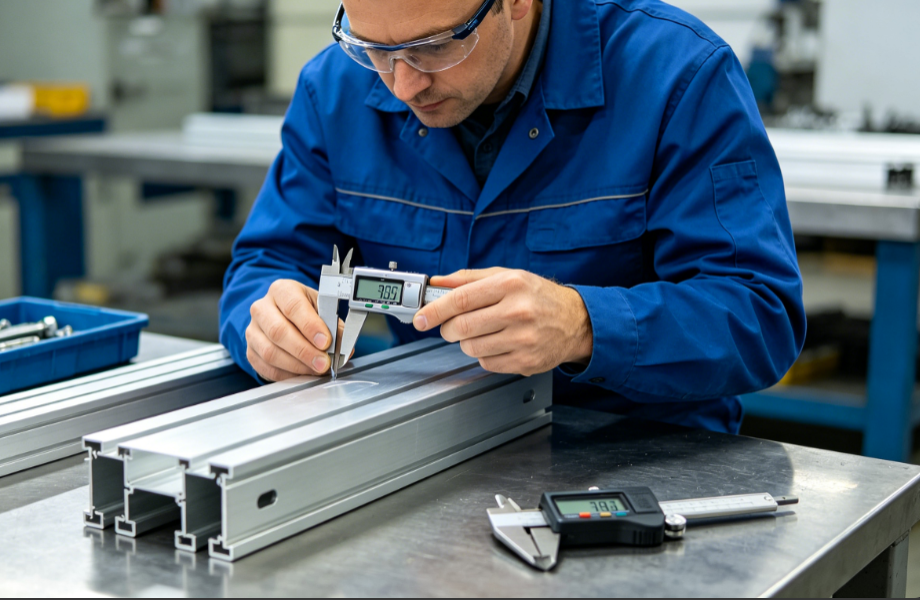
Relying on suppliers to establish a perfect full-dimensional quality inspection system, it can complete all items such as mechanical performance, corrosion resistance and fatigue resistance, size accuracy, etc.Strictly control the qualified rate and stability of each batch of products. Batch products have uniform performance, accurate size tolerance and stable quality.It can effectively avoid equipment assembly failure, operation hidden danger and project rework problems caused by uneven profile quality.
Evaluation of Supply Capacity and After-sales Support
When selecting models, it is necessary to focus on verifying the manufacturer's production capacity, delivery cycle and logistics supporting capacity.Ensure stable batch supply of large-scale wind power projects, strictly comply with the construction schedule requirements, and do not delay the project duration. Quality suppliers provide one-to-one technical docking, perfect warranty service and fast after-sales response.It can efficiently solve various problems in profile production, field assembly and equipment operation and maintenance.
Conclusion
With the advantages of lightweight and corrosion resistance, high-strength aluminum profiles can adapt to the harsh working conditions of wind power, improve power generation efficiency and reduce operation and maintenance costs.Under the trend of large-scale wind power, the application of aluminum profiles continues to expand and is the core material for upgrading new energy equipment.Choosing professional suppliers with complete qualifications and excellent technology is the key to ensuring project quality and stable income.
Henan Retop Industrial Co., Ltd. Will Be There Whenever Wherever Whatever You Need

 Why High-Strength Aluminum Is Ideal for Wind Energy Applications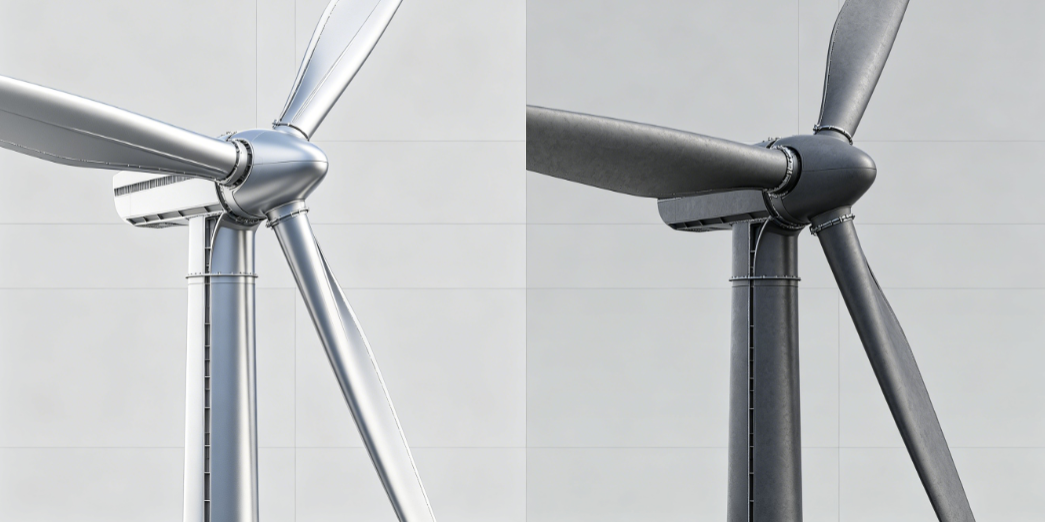
 Core Standards for Wind Project Aluminum Extrusions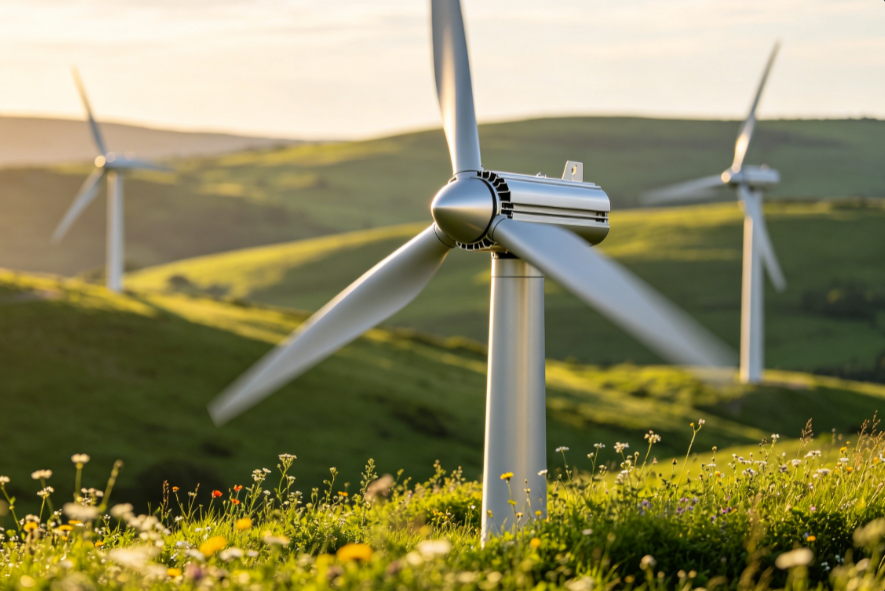
.jpg)