Why Anodized Aluminum Profile Is Suitable For Glass Processing Equipment
Date:2026-07-22
View: 3595 Point
Glass processing equipment has strict requirements on the performance, precision and practicality of materials. Anodized aluminum profiles gradually replace traditional materials as mainstream materials in the industry with multiple excellent characteristics.This paper analyzes the core advantages and practical application value of glass processing equipment from multiple dimensions such as corrosion resistance, precision, structure and performance.
Growing Use of Anodized Aluminum Profiles
Anodic Oxidation Process Core Principle
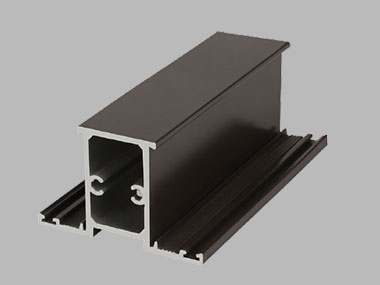
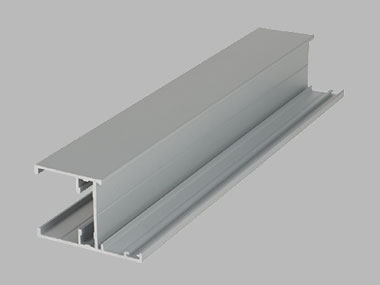
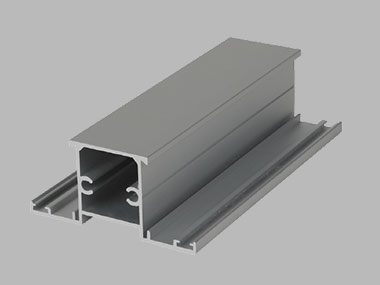
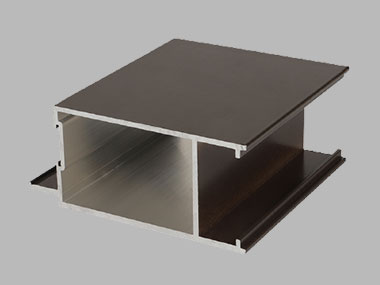
Anodic oxidation is a professional electrochemical surface treatment process, which can transform the natural thin oxide film on the surface of aluminum profiles into an artificial oxide film with higher thickness and more compact and stable structure.The thickness of the oxide film is usually 5 to 25 microns, and the hard oxidation process can be further thickened, which is completely different from the surface adhesion coating such as ordinary spraying. Anodized oxide film and aluminum matrix will be integrated, there will be no peeling, peeling situation, at the same time before sealing a variety of color dyeing treatment.It can not only retain the basic attributes of aluminum itself, but also give the profile a rich appearance effect, which can meet the appearance design requirements of various industrial equipment.
Reasons for Popularity
Anodized aluminum profiles have strong comprehensive performance advantages, which can resist medium corrosion such as water vapor, glass dust and chemical cleaning agents in glass processing workshops, and greatly reduce the probability of equipment loss.At the same time, its surface hardness is greatly improved, which can effectively resist friction, scratch and mechanical wear in daily production. The profile has both aesthetics and practicality, with matte, bright, metallic and other finishing effects, which can enhance the overall texture and brand image of the equipment.The process is environmentally friendly and low pollution, and the profiles can be completely recycled, which is in line with the development concept of green production in modern manufacturing.
Internal Principle of Aluminum Corrosion Resistance
Aluminum itself has unique self-passivation characteristics. After contacting air, it will quickly generate a dense natural oxide film, which can isolate oxygen from external media and prevent aluminum from continuous oxidation corrosion.This feature allows aluminum to avoid the common problems of continuous rust and structural failure of steel from the root cause. Even in the glass processing workshop wet, dusty, containing chemical reagents complex conditions, aluminum natural oxide film can still maintain a stable state.With special alloy formula and surface treatment process, it can further strengthen corrosion resistance and adapt to long-term industrial operation environment.
Technology for Strengthening Corrosion Resistance
Anodic oxidation treatment is the core means to improve the corrosion resistance of profiles, which can generate a protective layer far exceeding the thickness of natural oxide film, effectively resisting the corrosion of acid and alkali reagents, water vapor and dust.With powder spraying process, it can form double protective structure to further improve the protective effect. The industry mostly uses 6000 series aluminum alloy substrate, which takes into account high strength and excellent corrosion resistance, and is suitable for extrusion molding.At the same time, the modular design of the equipment will avoid the problems of crevice ponding and dust accumulation, and reduce corrosion hazards from the structure.
Practical Value of Corrosion Resistance to Equipment
Stable anti-corrosion performance allows glass equipment racks, conveying parts, protective structures to maintain complete mechanical properties for a long time, and there will be no corrosion deformation, aging failure and other problems within decades.Greatly extended the service life of the entire glass processing equipment. After the corrosion loss of equipment is reduced, the frequency of daily inspection, maintenance and parts replacement can be greatly reduced, and the downtime of equipment can be effectively reduced.It not only improves production continuity, but also reduces the equipment operation and maintenance cost of enterprises.
High Dimensional Accuracy Supports Precision Glass Processing
Glass Processing Strict Requirements for Equipment Precision
Glass cutting, edging, tempering, interlayer and other processes require extremely high accuracy of equipment. Small size deviation of equipment frame and positioning fixture will lead to quality problems such as edge cracking, damage and alignment deviation of glass plates, resulting in waste of raw materials and increase of production cost. Modern glass processing is gradually developing towards large size, high precision and automation, and the equipment needs to maintain stable positioning accuracy and structural flatness for a long time.This requires extremely low deformation probability and accurate size parameters for equipment materials.
Core Conditions for High Precision Forming of Aluminum Profiles
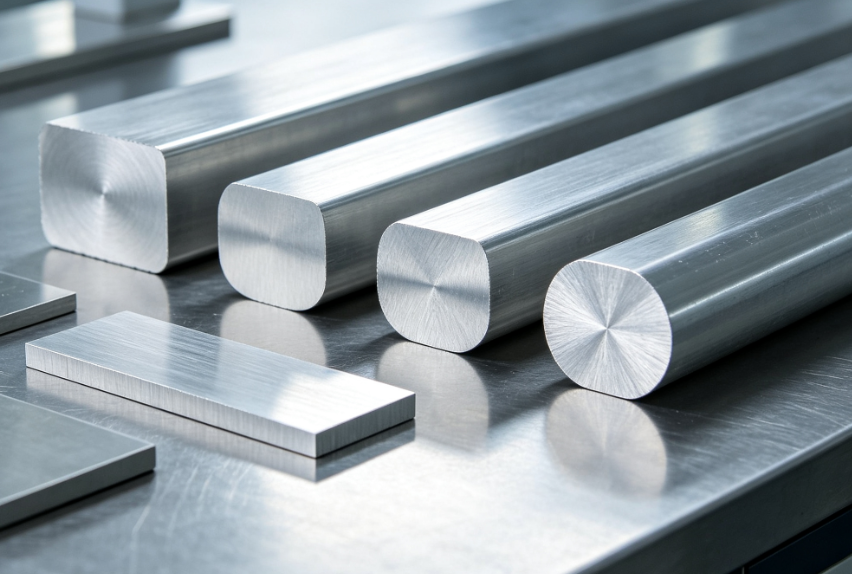
Modern extrusion process with precision die, aluminum profile size tolerance can be controlled within ±0.1 to 0.3 mm, size regularity is extremely high.At the same time, aluminum has excellent heat dissipation performance, and temperature changes during processing and use will not cause obvious deformation. After aging treatment, the residual stress of the profile is extremely low, and there will be no warping and deformation after long-term use.It also supports CNC precision cutting, drilling, tapping and other secondary processing, which can accurately match the installation and positioning requirements of various glass equipment.
Equipment Application Advantages of High-precision Profiles
The frame structure of the equipment made of high-precision aluminum profiles is stable and the amount of shaking is very small, which can effectively reduce the vibration of equipment operation and improve the flatness and qualified rate of glass processing.It can adapt to high-speed automatic processing flow and improve production efficiency. Accurate profile structure can achieve uniform stress and accurate alignment of glass sheets, avoiding glass damage caused by uneven local pressure.At the same time, standardized precision makes equipment assembly, post-commissioning and upgrade maintenance more convenient and efficient.
Material Advantages of Lightweight Aluminum Profiles
Under the same specifications, the weight of aluminum profiles is only about one-third of that of steel. Relying on 6000 series high-quality alloys and optimized cross-section structure design, it still retains sufficient structural strength and bearing capacity while greatly reducing weight. This high strength and lightweight feature completely solves the pain points of traditional steel equipment such as excessive weight, difficult handling and cumbersome installation, and provides great convenience for flexible assembly and site adjustment of glass equipment.
Lightweight profile components do not need the assistance of large lifting equipment, a small number of workers can complete the handling, alignment and fixing operations, greatly simplifying the equipment installation process, shortening the overall cycle of equipment commissioning. After the weight of the whole equipment is reduced, the logistics cost in the transportation process is significantly reduced, and the bearing pressure of the plant foundation is reduced.The operation difficulty of subsequent equipment displacement, transformation and upgrading will also be greatly reduced.
Long-term Value of Lightweight Structures
Glass equipment transportation, mobile and other dynamic parts using lightweight aluminum profiles, can effectively reduce the energy consumption of equipment operation, long-term use can save a lot of electricity costs for enterprises, improve production economy. The lightweight modular structure adapts to flexible production requirements, and enterprises can quickly adjust equipment layout according to changes in glass processing capacity and product specifications to adapt to diversified production scenarios.
Core Advantages of Aluminum Profile Mechanical Properties
Anodized aluminum profiles rely on precise alloy ratio and heat treatment process, with excellent tensile strength, compressive strength and fatigue resistance, excellent structural rigidity, long-term stable load and dynamic operation impact. By optimizing the section structure design, the profile can concentrate the force on the core load-bearing area, further improve the load-bearing capacity on the basis of lightweight, and the comprehensive mechanical performance can be comparable to some heavy metal materials.
Core Operating Conditions of Glass Equipment
Glass processing equipment needs to bear large size and heavy glass plates for a long time, and vibration, impact and reciprocating motion are continuously generated during operation, so the structural stability and deformation resistance are extremely high. The core structure of the equipment shall maintain stable size under alternating high and low temperatures and continuous loads, so as to avoid a series of production problems such as glass positioning deviation and processing accuracy reduction caused by structural deformation.
Practical Application Value Brought by Mechanical Properties
The high rigidity and high stability aluminum profile structure can effectively suppress the vibration of equipment operation, ensure the processing quality of precision processes such as glass cutting, edging, coating, etc., and reduce the probability of defects and scrap of finished products. Excellent anti-fatigue performance allows the equipment to adapt to long-term continuous industrial production, and can maintain stable performance after millions of cycles, greatly improving the stability and service life of glass production lines.
Smooth Surface Finish Enhances Cleanliness and Equipment Appearance
Forming Process for High Quality Surfaces
High-quality aluminum profiles rely on precision extrusion dies and mature molding technology, leaving the factory to have a smooth and smooth basic surface without obvious lines, bumps and defects.With grinding, polishing and other mechanical treatments, surface flatness can be further optimized. Anodic oxidation and sealing treatment can form a closed and smooth surface structure, completely fill the fine pores on the surface of the profile, so that the surface of the profile is uniform and dense. At the same time, it can customize various textures such as matte and bright surfaces to meet the design requirements of different equipment.
Smooth Surface Improves Cleanliness of Workshop
Glass processing process will produce a lot of glass dust, debris, smooth and pore-free profile surface is not easy to absorb impurities, dust and stains can be cleaned simply wipe, greatly reducing the difficulty of cleaning and maintenance. No residual dirt and impurity accumulation on the surface of the profile, which can effectively avoid problems such as equipment jamming and glass plate pollution caused by dust accumulation, and continuously maintain a high-precision clean working environment in the production workshop.
Empowering High-end Surface Textures
Smooth and uniform, high-quality anodized finish, so that glass processing equipment lines regular, exquisite appearance, get rid of the rough texture of traditional industrial equipment, greatly improve the overall visual cleanliness and professionalism of the workshop. Profile support customized brand exclusive color matching, equipment appearance uniformity is stronger, can intuitively reflect the equipment process precision and quality advantages, help enterprises to enhance product competitiveness and brand image.
Modular Design Makes Aluminum Profiles Easy to Assemble and Customize
Modular Aluminum Profile System Features
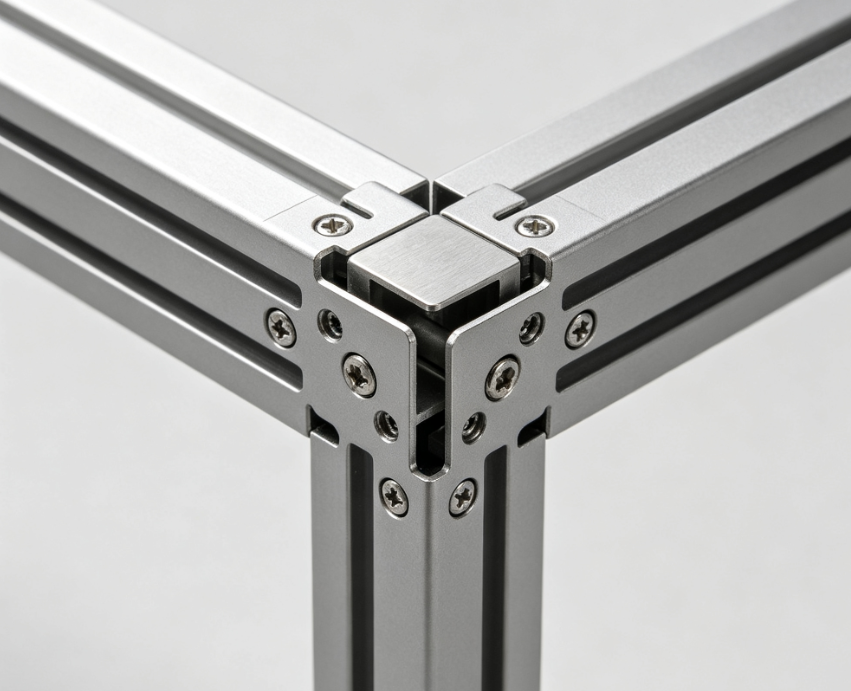
Anodized aluminum profiles come standard with standardized T-groove structure, complete with connecting parts, brackets, fasteners and other supporting accessories, forming a standardized industrial assembly system, without traditional welding, cutting and other complex processing technology. All accessories have uniform specifications and strong adaptability, which can be freely combined and spliced according to the requirements of equipment structure, completely breaking the limitation of traditional equipment structure fixation and transformation difficulty, and having strong flexibility and adaptability.
Assembly Advantages of Modular Design
Modular assembly operation is simple, only basic manual tools are needed to complete equipment construction, the original days of equipment assembly time can be shortened to a few hours, greatly saving labor costs and equipment production waiting time. The position and structure layout of profiles can be adjusted at any time during the equipment assembly process, without destructive operations such as drilling and welding, and the assembly fault tolerance rate is high, which can effectively avoid material waste caused by processing errors.
Flexible Customization and Iterative Upgrade Capabilities
The profiles can be cut to accurate size as required. The equipment structure can be customized to adapt to various glass specifications and production processes through different splicing methods, which can accurately match the customized and niche glass processing and production requirements. In the later stage of enterprise capacity upgrading and process iteration, the equipment transformation can be completed by directly increasing or decreasing and replacing profile parts, without the need to dismantle and replace the equipment as a whole, greatly reducing the cost of equipment upgrading and transformation, and prolonging the service life of the equipment.
Applications of Anodized Aluminum Profiles in Glass Processing Equipment
Core Performance Support for Glass Processing
Anodic oxidation process strengthens the wear resistance, corrosion resistance and dust prevention performance of aluminum, which can perfectly adapt to the harsh working conditions of dust, high humidity and chemical reagents in glass workshop. It is not easy to age, corrosion and wear for long-term use. simultaneously, that proces does not change the accurate size and the core mechanical property of the profile, can completely retain the advantages of high precision, light weight and high rigidity of the profile, and comprehensively adapts to the use standard of precision glass processing equipment.
Core Equipment Application Field
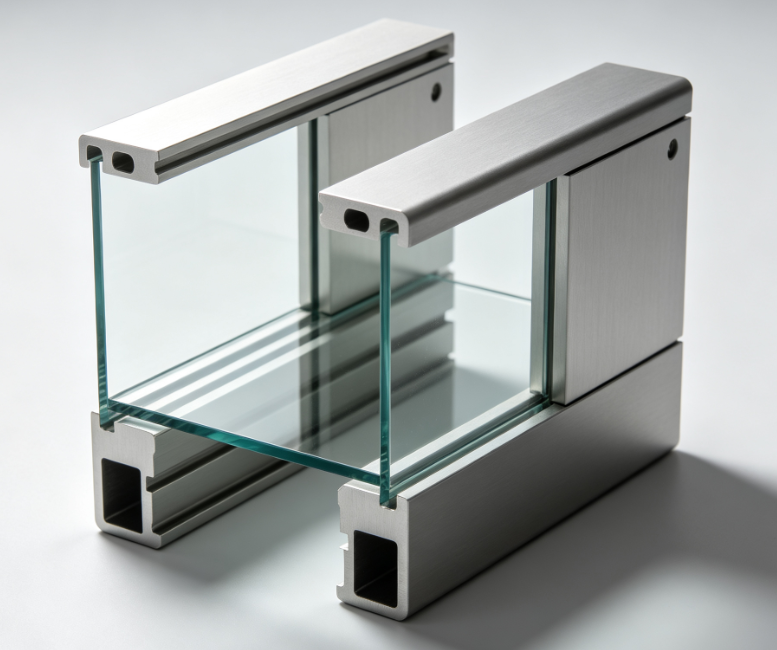
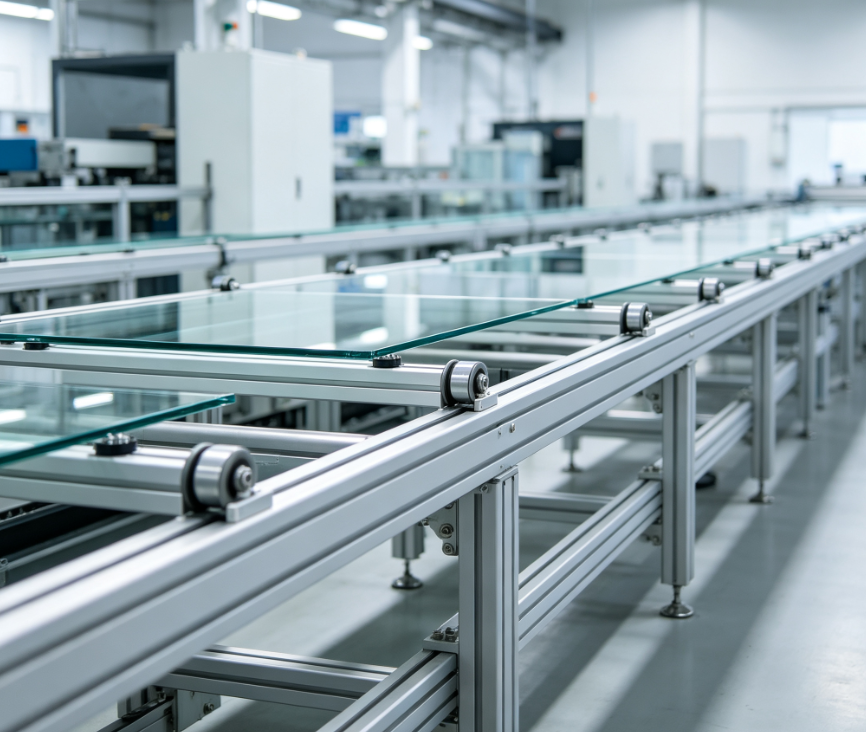
Anodized aluminum profiles are widely used in glass equipment mainframe frame, conveyor rails, protective fences, precision positioning tools and other core components to provide stable support for equipment operation and ensure the accuracy of glass transportation, positioning and processing. In addition, it can also be used for auxiliary structures such as workshop consoles, equipment sensor supports, and integrated accessories. It takes into account practicality, aesthetics and durability, and meets the needs of building full-process automated glass production lines.
Industry Application Trends
With the upgrading of glass processing to large size, high precision and full automation, the comprehensive requirements of the industry for equipment materials continue to improve, and the comprehensive advantages of anodized aluminum profiles become more and more prominent, gradually becoming standard materials in the industry. The profile can effectively reduce equipment operation and maintenance costs, improve production stability, assist lean production of enterprises, and conform to the modern development trend of high efficiency, high quality and low carbon in the glass processing industry.
Conclusion
Anodized aluminum profiles with corrosion resistance, durability, precision, lightweight, mechanical strength, easy assembly and other core advantages, all-round adaptation of glass processing equipment harsh conditions.It takes into account the characteristics of performance, face value and cost performance, which can effectively improve the operation efficiency and service life of equipment. It is a high-quality material for modern production in glass processing industry.
Henan Retop Industrial Co., Ltd. Will Be There Whenever Wherever Whatever You Need

.jpg)